Deciding between a dental implant and a dental bridge is a crucial step for anyone needing to replace missing teeth. The right choice significantly impacts your ability to chew, your smile’s appearance, and your long-term oral health. This guide will walk you through tooth replacement options by defining dental implants and dental bridges, explaining how each works, and comparing their long-term effects on your jawbone, neighboring teeth, aesthetics, and costs. You’ll learn how osseointegration helps preserve bone, why bridges might be a quicker fix but can affect surrounding teeth, and when single-tooth implants, implant-supported restorations, or full-arch solutions are the best fit. We’ll cover practical steps: what implants are and how they function, what bridges involve, a direct comparison of their pros and cons, cost differences and financing options, candidacy requirements including specialized zygomatic implant possibilities, and why Dentistry by Dr. Kaplansky is your go-to for advanced implant care. Helpful lists, comparison charts, and clear FAQs will assist you in evaluating implant vs. bridge longevity, their impact on bone loss, and local solutions like zygomatic implants for Buffalo patients.
What Are Dental Implants and How Do They Work?
Dental implants are essentially artificial tooth roots, typically a metal or ceramic post, surgically placed into your jawbone. They provide a stable base for a prosthetic crown, bridge, or denture. Implants work by stimulating the bone through a natural biological process called osseointegration. This is how living bone fuses with the implant surface, creating a solid foundation that restores your chewing power and helps maintain your jawbone’s volume, leading to better long-term oral health and facial support. An implant system replaces the essential parts of a tooth—the implant post (fixture), the abutment, and the crown—effectively restoring both root and visible tooth function. Understanding these components highlights why implants are a durable solution for missing teeth, offering significant advantages in implant vs. bridge longevity.
What components make up a dental implant?
A dental implant system consists of three main parts: the implant post (fixture) that anchors securely in the bone, the abutment that connects the post to the visible restoration, and the crown or prosthetic that restores the tooth’s shape and function. Implant posts are commonly crafted from titanium or zirconia. Titanium boasts an extensive clinical history, while zirconia offers a metal-free option with excellent aesthetic qualities. Abutments can be pre-made or custom-designed to ensure a perfect fit for the crown and optimize the gum line’s appearance, enhancing gum health and the final look. These roles—fixture, abutment, crown—mean implants address both structural support and visible restorative needs, and this clarity naturally leads to understanding how the bone bonds to the implant through osseointegration.
How does osseointegration support implant success?
Osseointegration is the remarkable biological process where bone cells grow directly onto the implant’s surface. This creates a stable, load-bearing connection that ensures long-term function and helps prevent the bone loss that typically occurs after a tooth is lost. The osseointegration timeline usually spans several weeks to a few months. During this period, controlled healing and staged loading protect the implant while new bone develops. If your jawbone volume is insufficient, additional procedures like bone grafting or alternative anchoring techniques may be necessary to support osseointegration and ensure successful outcomes. Understanding osseointegration underscores why implants often preserve jawbone health better than restorations that don’t replicate root stimulation, setting the stage for discussing implant types suitable for various clinical needs.
What types of dental implants are available?
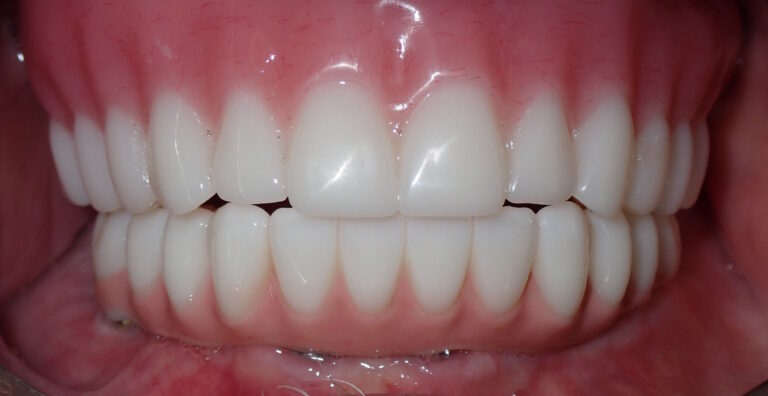
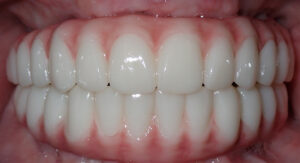
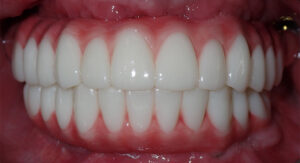
Dental implants are available in several clinical forms to suit different missing tooth scenarios. These include single-tooth implants for isolated tooth loss, multiple-tooth implants and implant-supported bridges for adjacent missing teeth, full-arch solutions like our TeethNow restorations for extensive tooth loss, and specialized zygomatic implants for cases of severe maxillary bone loss. Material choices range from titanium implants, backed by extensive clinical data, to zirconia implants, offering a metal-free restorative path. Clinicians select the type and material based on your anatomy, aesthetic goals, and desired long-term function. For patients exploring options, examples like single-tooth implants, multiple-tooth implants, and specialized zygomatic implants demonstrate how we can tailor solutions, and these choices naturally lead into when bridges might still be a suitable option.
Zygomatic Implants: An Alternative for Severe Maxillary Atrophy
Dental implants are used for replacing missing teeth. Placing dental implants is limited by the presence of adequate bone volume permitting their anchorage. Several bone augmentation procedures have been developed to solve this problem. Zygomatic implants are long screw‐shaped implants developed as a partial or complete alternative to bone augmentation procedures for the severely atrophic maxilla. One to three zygomatic implants can be inserted through the posterior alveolar crest and maxillary sinus to engage the body of the zygomatic bone. A couple of conventional dental implants are also needed in the frontal region of the maxilla to stabilize the prosthesis. The potential main advantages of zygomatic implants could be that in some situations bone grafting may not be needed and a fixed denture could be fitted sooner. Another specific indication for using zygomatic implants could be the need of maxillary reconstruction after maxillectomy in cancer patients.
Interventions for replacing missing teeth: dental implants in zygomatic bone for the rehabilitation of the severely deficient edentulous maxilla, HV Worthington, 2005
What Are Dental Bridges and When Are They Used?
A dental bridge is a fixed prosthetic device designed to span the gap left by missing teeth. It works by anchoring one or more artificial teeth (pontics) to crowns placed on the adjacent natural teeth or to implants. This design transfers chewing forces across the gap and into the jawbone, rather than directly into the bone where the tooth root was. Bridges are typically chosen when the neighboring teeth are healthy and strong enough to support the restoration, or when a quicker, non-surgical solution is preferred. They offer reliable aesthetics and function in many situations. The components of a bridge include the prepared abutment teeth supporting crowns and one or more pontics. Bridge designs vary based on the attachment method and invasiveness. Understanding how bridges distribute force and affect neighboring teeth helps clarify when they are an appropriate tooth replacement option.
What are the main types of dental bridges?
Several common bridge designs are used in dental practice. Traditional fixed bridges utilize crowns cemented onto both sides of the gap. Maryland (resin-bonded) bridges use metal or ceramic wings that are bonded to the back of adjacent teeth. Cantilever bridges are anchored to only one adjacent tooth and have more limited applications. Each type balances invasiveness, retention, and longevity. Traditional bridges require more tooth preparation but offer strong support, while Maryland bridges preserve more natural tooth structure but are best suited for areas with less chewing force. Implant-supported bridges combine implant fixtures with pontics, offering a root-replacing approach that spares natural teeth and promotes bone preservation. Understanding these distinctions helps patients weigh the trade-offs between tooth preparation and long-term oral health.
How is a dental bridge procedure performed?
A dental bridge procedure begins with preparing the abutment teeth by carefully removing enamel to create space for the supporting crowns. Next, impressions or digital scans are taken to fabricate the custom bridge. A temporary bridge is then placed while the final restoration is crafted in the dental laboratory. Finally, the permanent bridge is cemented into place. This process typically involves two to three appointments over a few weeks. Postoperative care focuses on maintaining proper hygiene under the pontic and around the margins to extend the bridge’s lifespan. Compared to implant procedures, bridge treatments are often faster and avoid surgery, though they do involve altering adjacent teeth and may require replacement in the future.
What are the benefits and limitations of dental bridges?
Bridges offer several immediate advantages: they can quickly restore chewing function and appearance, often avoid surgical placement, and may have a lower upfront cost than implants for certain patients. However, limitations include the necessity of preparing adjacent teeth, potentially reduced longevity compared to implants, and the absence of root replacement, which can lead to continued bone remodeling beneath the pontic. Bridges typically last between 5 to 15 years, depending on materials, oral hygiene, and chewing forces, impacting long-term costs and future replacement planning. These trade-offs are key to evaluating implants versus bridges and lead into a detailed comparison of their benefits and drawbacks.
How Do Dental Implants and Bridges Compare: Benefits and Drawbacks?
Dental implants and bridges differ significantly in longevity, bone health impact, effects on adjacent teeth, aesthetics, function, and treatment duration. Choosing the right option involves carefully weighing your immediate needs against your long-term oral health outcomes. Implants generally preserve jawbone by stimulating it like natural roots and spare adjacent teeth from preparation. Bridges can offer faster restoration with a lower short-term investment but may accelerate wear on neighboring teeth or require future replacement. This section compares key attributes using a table to clarify outcomes across common decision factors.
Here’s an introductory comparison table outlining the practical differences:
Option | Attribute | Typical Outcome |
Dental Implant | Longevity | Potential for decades to a lifetime with excellent care |
Dental Bridge | Longevity | Often 5–15 years before replacement might be necessary |
Dental Implant | Bone Health | Preserves bone through osseointegration and functional loading |
Dental Bridge | Bone Health | Does not replace the root, allowing gradual bone resorption |
Dental Implant | Adjacent Teeth | Independent; neighboring teeth are typically left untouched |
Dental Bridge | Adjacent Teeth | Requires preparation of neighboring teeth to serve as abutments |
This table clearly shows that implants often provide superior long-term oral health by addressing root-level function and preserving adjacent teeth. The following paragraphs will delve deeper into longevity, bone effects, and practical recovery timelines.
What are the longevity differences between implants and bridges?
Dental implants are engineered to integrate with bone and can last for decades, or even a lifetime, when placed with meticulous planning and maintained through consistent hygiene and professional care. This makes implants a sound long-term investment. In contrast, dental bridges rely on supporting teeth and materials that naturally experience wear and marginal breakdown over time, typically resulting in a functional lifespan of about 5 to 15 years before repair or replacement becomes necessary. Factors influencing longevity include material choice (e.g., zirconia versus porcelain), chewing forces, periodontal health, and patient habits like smoking. The skill of the clinician and the design of the restoration also play a role. These longevity differences highlight why many dentists recommend implants for patients prioritizing enduring solutions, and they naturally lead into how each option impacts jawbone health.
How do implants and bridges affect jawbone health?
Implants help preserve jawbone by transmitting functional chewing forces directly into the bone. This stimulation encourages bone remodeling and helps maintain the alveolar height and facial contours, slowing down the bone loss that typically follows tooth loss. Bridges, however, do not replace the tooth root. Consequently, the bone beneath a pontic receives minimal mechanical stimulation and may gradually resorb over time, potentially complicating future restorative options. In cases of significant bone loss, procedures like bone grafting or alternative anchoring strategies—such as specialized zygomatic implants—can restore support or provide fixation where grafting is not feasible. Recognizing bone preservation as a major advantage of implants helps patients understand the long-term functional and aesthetic implications.
What is the impact on adjacent teeth for each option?
A dental bridge necessitates the preparation of one or more adjacent teeth. This process can weaken those teeth, alter their long-term prognosis, and increase the risk of decay or the need for root canal treatment if margins or hygiene become compromised. Implants, on the other hand, avoid altering neighboring teeth because each implant functions independently. This significantly reduces the risk of compromising otherwise healthy teeth and allows for more conservative long-term dental plans. For patients with adjacent teeth that are borderline in health, dentists must carefully consider whether those teeth are strong enough to support a bridge or if implant solutions—single-tooth implants or implant-supported bridges—would better preserve overall oral health.
How do aesthetics and functionality compare?
Implant-supported restorations generally offer superior aesthetics and functional stability. This is because they replicate natural root support and allow prosthetics to be designed with natural emergence profiles from the gums. Bridges can also provide excellent aesthetics when the adjacent teeth and surrounding soft tissue are healthy and favorable. Functionally, implants can restore chewing forces and stability very close to that of natural teeth, improving diet and comfort. Bridges may feel slightly different due to the pontic design and reliance on neighboring crowns. Material choices—such as zirconia crowns for a metal-free aesthetic or porcelain-fused-to-metal for enhanced strength—influence the appearance and durability of both bridges and implant crowns. These aesthetic and functional considerations are important for patient preferences and treatment planning, leading us to discuss typical treatment times and recovery.
What are the typical treatment times and recovery periods?
Bridge treatment commonly spans a few weeks, from initial tooth preparation to the final cementation of the restoration. Surgical recovery is usually minimal or non-existent, allowing a quick return to normal function after impressions and cementation. Implant treatment is a more phased process: surgical placement, a healing period for osseointegration lasting weeks to months, and then restorative steps. If bone grafting or sinus lifts are required, the timeline can extend further. Postoperative recovery from implant surgery typically involves manageable discomfort and short-term modifications to activity, while long-term healing focuses on achieving osseointegration milestones before full function is restored. Patients balancing their time availability and willingness to undergo surgery often weigh these timelines alongside cost and longevity considerations, leading into a focused discussion of cost differences.
What Are the Cost Differences Between Dental Implants and Bridges?
The cost differences between dental implants and bridges stem from distinct cost drivers. Implants involve surgical fees, implant components, and lab-fabricated restorations. Bridges, conversely, concentrate costs in prosthetic fabrication and the clinical time required for tooth preparation. While upfront implant costs are typically higher, implants may offer a lower long-term total cost of ownership when factoring in potential replacement cycles, maintenance, and future procedures related to bone loss. This section breaks down cost factors with a table and practical financing considerations to help you evaluate the dental implant cost versus dental bridge cost over time.
Before the table, here’s a concise explanation of cost drivers and what the table illustrates: the table outlines typical cost components and their influence on the final pricing for both implant and bridge pathways.
Option | Cost Factor | Typical Range / Impact |
Dental Implant | Implant hardware & abutment | Significant upfront cost; high impact on durability |
Dental Implant | Surgical fees & imaging | High variability depending on complexity and need for grafting |
Dental Bridge | Laboratory fabrication | Moderate cost; depends on materials and span length |
Dental Bridge | Adjacent tooth preparation | Clinical time and potential future restorative costs |
Both | Maintenance & repairs | Ongoing cost; bridges may require replacement sooner |
This breakdown highlights that implants carry a higher initial investment but can reduce cumulative replacement costs over time. Bridges often require less upfront expenditure but may incur repeated future costs. The following sections will detail these factors and discuss financing options.
What factors influence the cost of dental implants?
Key cost drivers for implants include the implant hardware material (titanium versus zirconia), surgical complexity (such as the need for bone grafting or sinus elevation), diagnostic imaging and planning, and the type of final restoration (single crown, implant-supported bridge, or full-mouth TeethNow restorations). Surgical complexity, especially when addressing severe bone loss, increases costs and may necessitate specialized solutions like zygomatic implants. Laboratory fees for custom abutments and crowns also affect the price, as do the number of implants required and the clinician’s planning protocols. Understanding these drivers clarifies why dental implant costs vary widely and why financing is often a crucial part of treatment discussions.
How much do dental bridges typically cost?
Bridge costs vary based on the number of units (teeth) involved, the materials used (full ceramic, porcelain-fused-to-metal, or gold-based options), and laboratory techniques. A single traditional bridge often costs less upfront than a single implant restoration but may need replacement more frequently. Insurance coverage and specific plan details can influence a patient’s out-of-pocket expense for bridges more than for implants in some cases. Lifespan expectations are also a critical factor in financial planning. Given these variables, patients should compare the estimated total cost of ownership over 10 to 20 years rather than focusing solely on immediate price differences.
How do upfront costs compare to long-term investment value?
Although implants typically require a higher initial investment, their potential for decades-long function can lead to lower cumulative costs compared to repeated bridge replacements, restorative repairs, and potential future bone grafting necessitated by resorption. Consider this simple scenario: if a bridge lasts 10 years and needs to be replaced twice over three decades, the cumulative costs could approach or even exceed the one-time cost of an implant pathway, especially when factoring in additional procedures and maintenance. For patients with extensive tooth loss, comprehensive solutions like our full-mouth TeethNow restorations offer an alternative pathway where investing in full implant rehabilitation may yield superior long-term function and quality of life. Evaluating the lifetime value is essential when deciding between dental implant cost and dental bridge cost.
What financing options are available for implants and bridges?
Financing options commonly include in-office payment plans, third-party dental financing providers, and discussing phased treatment to spread costs over time. We encourage patients to speak with our team about specific plan details and potential insurance coordination. Our practice often provides guidance on which procedures can be staged to manage your budget while progressing toward your long-term solution. Comprehensive options like our full-mouth TeethNow restorations are sometimes presented as complete alternatives with dedicated financing pathways. Because available plans and terms vary, patients should consult our financing resources during treatment planning to fully understand their options and the next steps.
Who Is a Good Candidate for Dental Implants vs. Bridges?
Deciding between implants and bridges depends on various factors, including your anatomy, overall health, oral hygiene habits, smoking status, and your personal goals for longevity and aesthetics. A structured candidacy checklist can help translate clinical criteria into a practical decision. Implants are ideal for patients with adequate bone volume and well-controlled periodontal disease. Bridges may be suitable when adjacent teeth are strong and surgery is contraindicated or not desired. Specialized solutions, such as zygomatic implants, offer options for patients with severe maxillary bone loss who might not be candidates for conventional grafting. Your dentist’s expertise plays a crucial role in matching you to the optimal treatment.
Here’s an introductory candidacy checklist table to map patient factors to suitability:
Patient Factor | Implants Suitability | Bridges Suitability |
Bone quantity/quality | Requires adequate bone or grafting/zygomatic alternatives | Can bypass need for grafting if adjacent teeth are solid |
Gum health | Needs controlled periodontal disease for successful integration | Requires healthy abutment teeth and excellent oral hygiene |
Medical conditions | Certain systemic issues may complicate surgery; evaluation is necessary | Often suitable when surgery is contraindicated |
Smoking | Smoking significantly reduces implant success rates; cessation is advised | Smoking affects both options but may present less surgical risk |
This table clarifies how anatomical and medical conditions guide candidacy. The next paragraphs will expand on specific health factors and special solutions like zygomatic implants.
What health and anatomical factors affect candidacy?
Critical considerations for implant candidacy include having sufficient bone volume and density for primary stability, healthy gums free from active periodontal disease, and controlled systemic conditions like diabetes that can impact healing. Smoking and certain medications can affect osseointegration and long-term outcomes, so behavioral changes or medical coordination may be recommended before implant surgery. For patients lacking adequate bone, options include bone grafting or alternative implant strategies. Thorough diagnostics, including imaging and planning, are essential to determine the safest path forward. These anatomical assessments lead into discussions about when zygomatic implants are recommended as a specialized choice.
When are zygomatic implants recommended?
Zygomatic implants are specifically indicated for patients experiencing severe maxillary bone loss where conventional grafting would be extensive, prolonged, or unlikely to achieve predictable anchorage. These implants gain their fixation in the zygomatic (cheek) bone instead of the atrophic maxilla. Because zygomatic implants bypass the need for extensive grafting, they offer a viable pathway to fixed restorations for patients who otherwise have limited options. However, they require specialized surgical expertise and meticulous planning. For patients considering zygomatic implants, consulting a provider with recognized training and experience in these techniques is crucial to ensure appropriate candidacy and predictable outcomes.
How do patient lifestyle and preferences influence choice?
Patients who prioritize a quicker, non-surgical route, or who have time or medical constraints, may lean towards a bridge. Conversely, those seeking a long-term solution that preserves bone and neighboring teeth often prefer implants, despite the longer treatment time and higher upfront cost. Your willingness to undergo surgery, your tolerance for staged treatment, your aesthetic goals, and your budget preferences all play a role in a shared decision-making process between you and your clinician. Practical lifestyle questions—such as your dietary aspirations, tolerance for occupational downtime, and aesthetic priorities—help guide whether single-tooth implants, multiple-tooth implants, implant-supported bridges, or traditional bridge restorations best align with your life. The clinician’s role in evaluating these preferences is essential, especially when complex choices like zygomatic implants are considered.
What role does Dr. Kaplansky’s expertise play in treatment planning?
Clinical experience and specialized training are vital for making informed decisions in complex implant cases. This enables advanced solutions—such as zygomatic implants and full-arch restorations—to be considered when conventional pathways are not ideal. Dentistry by Dr. Kaplansky is dedicated to implant dentistry and offers a comprehensive range of dental implant solutions, including single-tooth implants, multiple-tooth implants, and specialized zygomatic implants. We also provide full-mouth TeethNow restorations and advanced zirconia implant technology to precisely match patient needs. Personalized treatment planning that combines diagnostics, imaging, and material selection significantly improves predictability and patient satisfaction. We encourage you to schedule a consultation to explore which tooth replacement options best meet your clinical and lifestyle goals.
Why Choose Dr. Kaplansky for Your Dental Implant or Bridge Treatment?
Selecting a practitioner with focused implant expertise is crucial for achieving optimal restorative outcomes, especially in complex cases. Dentistry by Dr. Kaplansky stands out as a local resource for advanced implant care, offering a procedural breadth that ranges from single-tooth implants to full-mouth TeethNow restorations and specialized zygomatic implants. Our practice emphasizes board-certified implant dentistry, advanced zirconia implant offerings, and specialized training relevant to complex bone loss solutions. These attributes inform our meticulous clinical planning for challenging cases. By prioritizing patient-centered care and utilizing modern restorative materials, we help prospective patients determine if our services align with their long-term oral health needs.
What makes Dr. Kaplansky a leading implant specialist?
Dr. Igor Kaplansky is recognized by our practice as a clinician deeply focused on implant dentistry, possessing specialized training and certifications that support complex implant procedures, including significant expertise in zygomatic implant techniques. This specialized training empowers him to offer advanced options for patients with severe bone loss who require alternatives to conventional grafting. It also supports sophisticated treatment pathways such as single-tooth implants, multiple-tooth implants, and full-mouth TeethNow restorations. His expertise translates into meticulous diagnostics, precise treatment sequencing, and restorative design aimed at achieving improved long-term function and aesthetics. These credentials and focused services provide a strong foundation for personalized treatment planning.
How does personalized treatment improve outcomes?
Personalized treatment integrates diagnostic imaging, occlusal analysis, and careful material selection to tailor implant positioning, abutment choice, and final prosthesis design specifically to your anatomy and functional needs. This approach minimizes complications and optimizes aesthetics. Custom planning anticipates potential challenges—such as the condition of adjacent teeth or bone limitations—and allows the clinician to select the most appropriate strategies, like implant-supported bridges or zygomatic implants, where suitable. This individualized approach supports predictable osseointegration, better distribution of chewing forces, and restorations that blend seamlessly with your natural dentition, ultimately enhancing long-term implant vs. bridge longevity outcomes. The next section summarizes real patient feedback themes that reflect these clinical benefits.
What do patient testimonials reveal about treatment success?
Patient feedback commonly highlights restored chewing ability, increased confidence, and profound satisfaction with the quality of care received when complex implant solutions are executed with comprehensive planning and advanced materials. Consistent themes in patient narratives include appreciation for durable function, the natural appearance achieved with zirconia restorations, and the significant relief experienced from overcoming extensive tooth loss with full-mouth TeethNow restorations or targeted implant therapy. Sharing anonymized outcome examples and case galleries can effectively illustrate how single-tooth implants to full-arch reconstructions translate into tangible improvements in patients’ daily lives. These testimonials underscore the value of scheduling a consultation to explore your individualized options.
How can you schedule a consultation with Dr. Kaplansky?
To begin your treatment planning journey, patients typically contact our practice to share their dental history and any recent imaging. You will then attend a consultation where diagnostic needs, candidacy factors, and financing options are thoroughly reviewed to create a tailored plan. During this consultation, we will discuss whether single-tooth implants, multiple-tooth implants, implant-supported bridges, full-mouth TeethNow restorations, or specialized zygomatic implants best address your clinical situation and personal goals. Clear next steps often include diagnostic imaging, a detailed written treatment estimate, and a discussion of available financing to align clinical recommendations with your preferences. We encourage prospective patients to request a consultation to evaluate their tooth replacement options in detail.
What Are the Most Common Questions About Dental Implants vs. Bridges?
This FAQ section addresses common patient questions with concise statements followed by brief elaborations to support quick decision-making about implant vs. bridge choices. Each answer begins with a short, direct response for clarity and then provides brief reasoning so you can understand the clinical trade-offs and know when to pursue further consultation.
Is a dental implant better than a bridge?
Dental implants are generally considered superior for long-term oral health because they replace the tooth root and help preserve jawbone. Bridges can be a valid short-term or situational option when surgery is not feasible. The implant’s root-replacing function supports bone maintenance and spares adjacent teeth from preparation, contributing to better implant vs. bridge longevity in many cases. However, bridges remain appropriate where adjacent teeth already require crowns or where immediate non-surgical restoration is preferred.
How long do dental implants and bridges last?
Dental implants can last for decades and sometimes a lifetime with proper care and maintenance. Bridges, on the other hand, commonly last about 5 to 15 years, depending on materials, hygiene, and the functional load they bear. Factors influencing lifespan include oral hygiene practices, systemic health, smoking habits, material quality (e.g., zirconia versus porcelain), and regular professional maintenance. Understanding these factors helps patients set realistic expectations for replacement cycles and long-term costs.
What is the recovery time for implants vs. bridges?
Bridge recovery is typically brief, with minimal postoperative discomfort, as it often avoids surgery. This allows for a quick return to normal function after impressions and cementation. Implant recovery involves surgical healing and osseointegration phases. Short-term surgical recovery usually lasts days to weeks, with full integration taking several months before the final restoration is placed. Effective pain management, staged follow-up appointments, and adherence to postoperative instructions support a smoother recovery for implant procedures.
Can multiple missing teeth be replaced with implants or bridges?
Multiple adjacent missing teeth can be restored using implant-supported bridges, partial implant arrays, or full-arch solutions like our full-mouth TeethNow restorations. The choice depends on bone availability, the condition of adjacent teeth, and long-term goals. Implant-supported approaches offer the benefits of root replacement across spans, while traditional bridges may be suitable when implants are contraindicated or when adjacent teeth are appropriate abutments. For extensive maxillary bone loss, specialized options such as zygomatic implants provide alternatives that avoid extensive grafting.
How do implants preserve bone compared to bridges?
Implant fixtures stimulate bone by transmitting chewing forces directly into the jawbone, which promotes remodeling and helps maintain alveolar height. Bridges lack a root element and therefore do not provide the same mechanical stimulation, allowing bone to resorb beneath the pontic. This physiological difference impacts facial contours and future restorative possibilities, making bone preservation a primary advantage in implant planning. For patients with low bone volume, alternative approaches like grafting or zygomatic implants may be necessary to achieve fixed restorations.
This article has covered the mechanisms, practical trade-offs, cost considerations, candidacy criteria, and local advanced options—such as single-tooth implants, multiple-tooth implants, full-mouth TeethNow restorations, and specialized zygomatic implants—to empower you to make informed decisions about dental implant vs. bridge pathways and discuss personalized options with a qualified implant specialist.
Frequently Asked Questions
What is the typical lifespan of dental bridges compared to implants?
Dental bridges generally last between 5 to 15 years, depending on factors such as oral hygiene, material quality, and the load they bear. In contrast, dental implants can last decades or even a lifetime with proper care and maintenance. The longevity of implants is largely due to their ability to integrate with the jawbone, providing a stable foundation that supports long-term function. Understanding these differences can help patients make informed decisions about their tooth replacement options.
Are there any dietary restrictions after getting dental implants or bridges?
After receiving dental implants, patients are typically advised to stick to a soft food diet for a few days to allow for healing and osseointegration. Once fully healed, there are usually no dietary restrictions. For bridges, patients may need to avoid hard or sticky foods that could dislodge the prosthetic or damage the supporting teeth. Following the dentist’s recommendations for post-procedure care is essential for ensuring the longevity of both implants and bridges.
How do I maintain dental implants and bridges?
Maintaining dental implants and bridges involves regular oral hygiene practices, including brushing twice a day and flossing daily. For implants, using an antibacterial mouthwash can help prevent infection around the implant site. Regular dental check-ups are crucial for both options to monitor their condition and address any issues early. Additionally, patients should avoid habits like smoking, which can negatively impact the success of implants and the longevity of bridges.
Can dental implants be placed immediately after tooth extraction?
In many cases, dental implants can be placed immediately after tooth extraction, a procedure known as immediate implant placement. This approach can be beneficial for preserving bone structure and reducing treatment time. However, the suitability of this option depends on factors such as the condition of the surrounding bone and gum tissue. A thorough evaluation by a dental professional is necessary to determine if immediate placement is appropriate for each individual case.
What are the risks associated with dental implants and bridges?
Both dental implants and bridges come with potential risks. For implants, risks include infection, nerve damage, and implant failure, often related to insufficient bone density or poor oral hygiene. Bridges may lead to complications such as decay in the supporting teeth or the need for future replacements. Understanding these risks can help patients weigh their options and discuss concerns with their dental provider to ensure the best possible outcome.
How do I choose between dental implants and bridges?
Choosing between dental implants and bridges depends on various factors, including the condition of adjacent teeth, bone density, personal preferences, and budget. Implants are often recommended for their long-term benefits and ability to preserve jawbone health, while bridges may be suitable for patients seeking a quicker, non-surgical solution. Consulting with a dental professional can help clarify the best option based on individual circumstances and treatment goals.