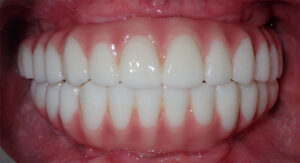
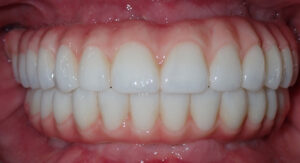
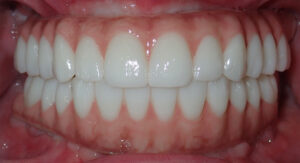
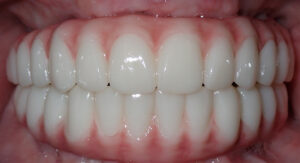
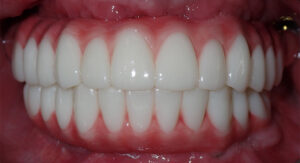
Dental implants are artificial tooth roots surgically anchored into the jaw to support crowns or bridges. When placed by experienced, qualified clinicians they are generally very safe, with success rates most often reported in the mid‑to‑high 90% range. This guide explains why implants are considered safe, how materials and regulatory systems protect patients, which factors shape long‑term outcomes, and the practical risks you should know about. Many patients worry about infection, nerve injury, or material sensitivity — we address those concerns and outline the steps clinicians and patients use to reduce harm. You’ll find context for reported success rates, a clear comparison of titanium versus zirconia implants, and practical screening guidance for candidates — including options for severe bone loss such as zygomatic implants. Throughout, we show how a board‑certified practitioner uses 3D imaging and individualized planning to lower risk and we walk through the procedure step‑by‑step so you know what safety checks to expect.
Why Are Dental Implants Considered Safe? Understanding Materials and Approvals
Implants are viewed as safe because they’re made from biocompatible materials that integrate with bone and because modern systems are built and tested under regulated device standards — steps that reduce adverse tissue reactions and mechanical problems. Biocompatibility enables osseointegration, the biological bonding between an implant surface and bone, which gives a stable foundation for prosthetic teeth and lowers the chance of failure. Contemporary implant systems undergo material testing, surface engineering, and clinical evaluation that together produce predictable outcomes and fewer complications than older restorative solutions. Knowing how materials and regulation work helps patients weigh implant therapy against alternatives like removable dentures or bridges.
What Makes Titanium and Zirconia Implants Biocompatible?
Titanium and zirconia reach biocompatibility by different material properties: titanium forms a protective oxide layer that resists corrosion and encourages bone attachment, while zirconia is a ceramic that limits metal ion release and offers a tooth‑colored appearance for superior aesthetics. Osseointegration is supported when bone cells attach to implant surfaces engineered with micro‑texture, improving both mechanical interlock and biological stability. Clinically, titanium’s long track record demonstrates reliable load‑bearing performance; zirconia is attractive where metal avoidance or front‑tooth aesthetics are priorities. Those material differences guide case selection and prosthetic design, and they affect long‑term outcomes and patient satisfaction.
Titanium vs. Zirconia Dental Implants: Biocompatibility and Osseointegration Study
For roughly three decades titanium has been the dominant implant material with consistently high success rates. Zirconium dioxide — long used for restorations — has more recently been adopted for implants as well. This study set out to compare titanium and zirconia implants for biocompatibility using both cell culture and animal models, aiming to clarify differences in tissue response and bone integration.
A comparison of biocompatibility and osseointegration of ceramic and titanium implants: an in vivo and in vitro study, 2012
How Does FDA Approval Ensure Dental Implant Safety?
In the United States the FDA treats implants as medical devices and evaluates manufacturing controls, materials testing, and clinical evidence to maintain consistent safety and performance standards. Approval or clearance requires manufacturers to document biocompatibility testing, sterilization procedures, and accurate labeling so clinicians can select systems appropriately. Regulatory oversight reduces variability between products and gives clinicians data they can use when weighing risks and benefits during treatment planning. Knowing an implant system meets recognized device standards adds reassurance that material choice and manufacturing quality contribute to overall safety.
Navigating Dental Device Regulations: Global Landscape and Future Prospects
Regulatory rules for dental devices are based on the risk posed by using them in the oral cavity and differ by country. This review examines the regulatory frameworks that govern dental devices across major markets — including the United States, Japan, Europe, Taiwan, China, Canada, and India — and discusses how those systems are evolving toward greater harmonization. By comparing approaches, the article helps clarify how device regulation impacts clinical practice worldwide.
Navigating Dental Device Regulations: Current Landscape and Future Prospects, VK Shukla, 2025
At Dentistry by Dr. Kaplansky we emphasize evidence‑backed materials and modern planning tools that complement regulatory safeguards. Board‑certified Dr. Igor Kaplansky routinely integrates 3D imaging into preoperative planning to confirm anatomy, choose the right implant type, and reduce intraoperative surprises — aligning material choice with each patient’s clinical needs.
What Are the Success Rates of Dental Implants and What Influences Them?
Reported success rates for dental implants are high — commonly between 95% and 98% — when clinicians control for patient health, bone quality, surgical technique, and restorative accuracy. Success here means a stable, functional implant with healthy surrounding tissues and acceptable aesthetics over time, not merely that the fixture remains in place. Most failures happen early (within the first year) or much later due to biological problems like peri‑implantitis, and many of the influencing factors can be modified through careful preparation and ongoing maintenance. Understanding these drivers helps patients and clinicians improve outcomes and extend the functional life of implants.
How Successful Are Dental Implants Long Term?
Long‑term studies show that well‑planned implants can function for decades with proper care; many cohorts report survival rates above 90% at ten years and continuing functionality beyond that. It’s important to distinguish survival (the implant is still present) from functional success (healthy peri‑implant tissues, stable bite, and patient comfort) — both rely on consistent oral hygiene and routine professional follow‑up. Prosthetic parts may need repair or replacement over time, while the implant fixture itself often endures when biological conditions are maintained. Recognizing this distinction helps patients focus on preventive care that protects both implant and restoration.
Which Factors Affect Dental Implant Longevity and Safety?
Several patient and procedural factors strongly influence implant longevity: smoking and poor oral hygiene increase infection risk; uncontrolled diabetes impairs healing; and low bone density or unfavorable anatomy complicate stable placement. Surgical technique and prosthetic fit affect load distribution and tissue health, while regular maintenance and dental exams detect early problems before they worsen. Effective mitigation includes smoking cessation, medical optimization, bone grafting when needed, careful prosthetic planning, and scheduled professional cleanings to preserve tissue health and reduce late failure risk.
Influencing Factor | Attribute | Typical Range / Impact |
Smoking | Healing impairment | Increases failure odds by an estimated moderate-to-high amount |
Diabetes control | Wound healing | Poor control raises complication risk; good control mitigates it |
Bone density | Primary stability | Low bone density may require grafting or alternative implants |
Oral hygiene | Peri-implantitis prevention | Poor hygiene markedly increases long-term failure risk |
Surgical technique | Micromotion & placement accuracy | Precise technique reduces early failure significantly |
This table summarizes the main factors clinicians assess during planning so they can estimate risk and apply tailored strategies that support long‑term success.
For many patients, choosing a board‑certified clinician adds an extra layer of confidence. Dr. Kaplansky’s practice combines clinical experience with individualized treatment plans to address these risks; patients are welcome to schedule a consultation to review personalized risk profiles and restorative options in a conservative, evidence‑focused setting.
What Are the Common Risks and Complications of Dental Implants?
Implant therapy carries specific risks — most commonly infection (peri‑implantitis), nerve injury with altered sensation, sinus complications in the upper jaw, and mechanical failures of prosthetic parts. Knowing how often these occur and what they look like helps patients get timely care. Short‑term postoperative wound issues usually resolve with prompt treatment, while longer‑term biological problems like peri‑implantitis are managed with targeted hygiene and professional therapy. Recognizing typical presentations and likelihoods helps patients weigh risks and spot warning signs that need prompt evaluation.
What Are the Most Frequent Dental Implant Risks?
The most common complications include inflammation and infection around the implant (peri‑implantitis), nerve injury that can cause numbness or tingling, and maxillary sinus perforation when implants enter the sinus cavity. Peri‑implantitis rates vary by population and oral hygiene, but studies indicate a meaningful minority of implants develop inflammatory changes over time. Nerve injury is uncommon when anatomical mapping is used, yet its effects can be significant and require conservative planning. Sinus problems are largely preventable with careful imaging and controlled implant angulation.
Common implant complications include:
- Peri‑implantitis and infection: inflammation around the implant that can cause bone loss if not treated.
- Nerve injury: sensory changes from proximity to nerve canals, usually preventable with careful planning.
- Sinus perforation: upper‑jaw implants entering the sinus cavity, manageable with preoperative assessment.
Awareness of these risks leads naturally to how clinicians minimize them, which the next section explains.
Complication | Likelihood | Mitigation |
Peri-implantitis | Moderate (varies with hygiene) | Regular professional cleaning, improved home care, early intervention |
Nerve injury | Low (rare with planning) | CBCT imaging, nerve mapping, conservative drilling depth |
Sinus complications | Low-to-moderate in posterior maxilla | 3D imaging, sinus lift or alternative approaches when needed |
Implant fracture | Low | Appropriate prosthetic design and material selection |
How Does Dr. Kaplansky Minimize Dental Implant Complications?
Dr. Igor Kaplansky reduces complications through thorough preoperative assessment, consistent use of 3D imaging for anatomical mapping, strict sterile technique, and personalized treatment plans that reflect each patient’s health and anatomy. Board certification informs clinical decisions and supports complex solutions when standard options aren’t suitable. Postoperative follow‑up and a structured maintenance program help detect tissue changes early and allow timely intervention, all of which lower the chance of long‑term failure.
Key practice measures to reduce complications:
- Detailed 3D diagnostic imaging to plan safe implant trajectories.
- Sterile field and atraumatic surgical techniques to limit infection.
- Customized follow‑up and hygiene protocols to prevent peri‑implant disease.
These preventive steps show how clinician‑led systems of care translate material safety into predictable clinical outcomes.
Who Is a Safe Candidate for Dental Implants? Health and Lifestyle Considerations
A good implant candidate typically has sound oral health, adequate bone volume (or the ability to receive grafting), and well‑controlled systemic conditions — but many borderline cases are treatable with careful planning. Clinicians assess oral hygiene, periodontal status, smoking, metabolic conditions like diabetes, and medications that affect bone metabolism to determine candidacy and necessary precautions. When the jawbone is insufficient, alternatives such as bone grafts or zygomatic implants may be appropriate, each with their own indications and safety considerations. Clear candidate screening reduces unexpected complications and aligns expectations with realistic outcomes.
How Do Health Conditions and Lifestyle Impact Dental Implant Safety?
Smoking raises the risk of implant failure by reducing blood flow and healing capacity, so clinicians typically counsel patients to quit before and after surgery. Poorly controlled diabetes hinders wound healing and increases infection risk, so stabilization is often required before elective implant placement. Certain medications — especially those that affect bone turnover — require medical coordination and tailored risk management. With lifestyle changes and medical optimization, many higher‑risk patients can still become safe candidates when care is coordinated with their healthcare team.
Candidate risk checklist:
- Oral health and periodontal stability
- Controlled systemic conditions (e.g., diabetes)
- Smoking cessation or reduction plans
- Medication review and coordination with physicians
Addressing these factors improves healing and aligns candidacy with predictable implant success, and when standard implants are contraindicated there are safe alternative strategies to consider.
How Do Zygomatic Implants Provide Safe Solutions for Bone Loss?
Zygomatic implants anchor in the zygomatic (cheek) bone for patients with severe maxillary atrophy, offering an alternative to extensive ridge grafting by using denser lateral facial bone for primary stability. This approach can avoid multiple grafting surgeries, shorten total treatment time, and in some cases permit immediate function — but it requires specialized surgical expertise and careful anatomical planning. Clinical evidence supports zygomatic implants as a viable, safety‑focused option for carefully selected patients when performed by experienced surgeons. Patient selection, surgeon experience, and imaging‑based planning are the pillars that make the zygomatic approach a reliable solution for complex bone deficiency.
Indication | Benefit | Safety Consideration |
Severe maxillary bone loss | Avoids extensive grafting | Requires advanced surgical experience |
Desire to reduce treatment time | Potential for immediate loading | Careful case selection and CBCT planning |
Patients unwilling/unable to undergo grafting | Restores function without donor sites | Precise anatomical knowledge needed |
This table summarizes when zygomatic implants are considered and the safety trade‑offs clinicians weigh when recommending them.
What Is the Dental Implant Procedure and How Is Safety Ensured Throughout?
The implant process follows staged safety checkpoints: an initial consultation and diagnostic imaging, surgical placement with sterile technique and anatomical mapping, restorative integration to ensure proper bite and load distribution, and long‑term maintenance to preserve peri‑implant tissues. Each phase includes checks that reduce risk: preoperative medical review addresses systemic issues, 3D imaging prevents nerve or sinus injury during planning, and prosthetic verification ensures functional loading that avoids excessive stress. Patients benefit from a coordinated plan that aligns surgical execution, restorative outcomes, and preventive follow‑up.
What Are the Key Steps in a Safe Dental Implant Procedure?
A safe workflow begins with a diagnostic visit that includes a clinical exam and 3D imaging to evaluate bone, nerve canals, and sinus anatomy; this guides implant size, angle, and the need for adjunctive procedures. During surgery, sterile protocols and, when appropriate, guided placement limit trauma and maintain precise positioning relative to vital structures. The restorative phase uses accurate impressions or digital scans, careful occlusal adjustments, and abutments and crowns selected to distribute forces correctly. Each step targets specific risks and contributes to a predictable, durable outcome.
How Should Patients Care for Implants Post-Procedure to Ensure Safety?
After surgery, patients should follow wound care instructions, take prescribed medications as directed, and maintain gentle oral hygiene to support healing and reduce infection risk. Long‑term safety depends on daily plaque control, avoiding harmful habits like smoking, and attending scheduled professional cleanings to catch and treat tissue inflammation early. Report persistent pain, swelling, or sensory changes promptly so your clinician can intervene before problems progress. Consistent maintenance is the single most effective patient‑controlled factor in preserving implant health.
For those considering treatment, Dentistry by Dr. Kaplansky offers complimentary consultations and tailored plans that combine board‑certified expertise, 3D imaging, and individualized strategies. This practice‑level approach creates safe care pathways and helps patients understand the procedure and expected follow‑up before deciding on therapy.
How Do Titanium and Zirconia Implants Compare in Terms of Safety and Risks?
Titanium and zirconia behave differently: titanium has a long evidence base for mechanical reliability, while zirconia offers aesthetic advantages and lower metal exposure. Both have safety considerations that affect case selection. Clinicians weigh anatomy, aesthetic goals, allergy concerns, and prosthetic constraints, balancing long‑term data against patient preferences. A focused comparison clarifies where each material performs best and which clinical scenarios favor one over the other.
What Are the Safety Advantages of Zirconia Implants Over Titanium?
Zirconia can deliver superior aesthetics in the front of the mouth because its tooth‑colored surface reduces gray shine‑through and soft‑tissue discoloration; it also lowers exposure to metal ions for patients with documented sensitivities. As a ceramic it resists corrosion and has a smooth surface that may affect soft‑tissue response positively in selected cases. Limitations include fewer long‑term cohort studies compared with titanium and a theoretical increased risk of fracture with certain designs, which calls for cautious case selection and prosthetic planning.
Zirconia Dental Implants: A Viable Alternative to Titanium
Zirconia exhibits properties such as osseointegration, biocompatibility, and potentially reduced bacterial adhesion, which make it a suitable biomaterial for dental implants in selected cases. For patients seeking a metal‑free option with good soft‑tissue behavior, zirconia can be a reasonable alternative to titanium.
Zirconia in dental implantology: A review, A Apratim, 2015
Are There Any Risks Unique to Titanium or Zirconia Implants?
Material‑specific risks include rare allergic or hypersensitivity reactions and the potential for titanium ion release, although clinically significant reactions are uncommon and titanium’s long track record is strong. Zirconia carries a theoretical risk of component fracture under certain loading configurations, especially in some two‑piece systems that rely on mechanical connections; careful implant design and prosthetic planning minimize this risk. Clinicians address material‑specific issues with appropriate case selection, precise surgical technique, and restorative designs that safely distribute occlusal forces.
Zirconia vs. Titanium Dental Implants: A Comparative Review
Unmodified titanium generally shows superior osseointegration compared with untreated zirconia, but after surface treatments both materials can achieve comparable bone integration. Surface morphology often matters more than composition for osseointegration. Zirconia may offer advantages in resisting bacterial adhesion in some studies.
Zirconia versus titanium in dentistry: A review, 2020
Material | Key Safety Attribute | Clinical Consideration |
Titanium | Proven long-term performance | Excellent for posterior load-bearing sites |
Zirconia | Esthetic, low metal exposure | Preferred for anterior zones and metal-sensitive patients |
Both | Require good prosthetic design | Selection based on anatomy, loading, and patient preference |
Material selection should match clinical demands: choose titanium for robust load sites and zirconia for esthetics when appropriate.- Prosthetic design matters: proper abutment selection and occlusal planning reduce material-specific failure risks.
- Surgeon experience influences outcomes: clinicians familiar with both materials achieve the best balance of safety and longevity.
Each material’s strengths relate directly to the implant’s function and the patient’s needs, guiding a shared clinician–patient decision.
Frequently Asked Questions
What is the typical recovery time after dental implant surgery?
Recovery varies by the patient and the procedure’s complexity. Initial soft‑tissue healing usually takes a few days to a couple of weeks, while complete osseointegration — where the implant bonds with bone — commonly requires several months. You’ll often be advised to follow a soft diet and limit strenuous activity in the early days. Routine follow‑up visits let your clinician confirm that healing and integration are progressing as expected.
Can dental implants be placed in patients with osteoporosis?
Yes — many patients with osteoporosis can receive implants, but each case needs careful evaluation. Lower bone density affects implant stability, so clinicians may recommend bone grafting or alternative strategies (including zygomatic implants in severe maxillary atrophy). Managing osteoporosis with medication and lifestyle measures can improve outcomes. A thorough assessment by a qualified clinician will identify the safest approach for each individual.
What are the signs of dental implant failure?
Warning signs include persistent pain, swelling, or discomfort at the implant site, mobility of the implant, and changes in the surrounding gum such as redness or discharge, which may suggest infection. If you notice these symptoms, contact your dental provider promptly. Early evaluation often leads to simpler treatments and better outcomes.
How do I maintain my dental implants for long-term success?
Long‑term success depends on daily oral hygiene and regular professional care. Brush and clean around implants daily using non‑abrasive tools and techniques, and attend routine cleanings and exams so your clinician can monitor tissue health. Avoid tobacco and keep systemic conditions like diabetes under control. These actions significantly increase the chances of a long, healthy implant life.
Are there any dietary restrictions after getting dental implants?
After implant surgery you’ll typically follow a soft diet for the first few days to minimize pressure on the site — foods like yogurt, smoothies, and mashed potatoes work well. As healing continues you can slowly reintroduce firmer foods, but avoid very hard or sticky items that could stress the restoration or cause discomfort. Always follow your clinician’s specific dietary guidance for your case.
What should I do if I experience discomfort after dental implant surgery?
Some discomfort in the days after surgery is normal, but if pain is severe or lasts beyond the expected recovery period, contact your dentist. They may recommend over‑the‑counter pain relief or prescribe medication. Signs of infection — such as increasing swelling, fever, or pus — require immediate evaluation. Prompt attention to unusual symptoms helps prevent complications and speeds recovery.