




CALL US NOW :

(716) 772-7500

EMAIL ADDRESS :

info@drkaplansky.com

LOCATION ADDRESS :

8038 Rochester Rd. Gasport NY

Do You Need a Bone Graft for Implants? A Patient’s Guide to Bone Grafting, Procedures, and Alternatives

B&A-Teeth-Cheryl 2-After

When the jaw loses volume, a dental bone graft can rebuild the foundation implants need to be stable and long-lasting. This guide explains why bone volume matters, how clinicians identify deficiencies using clinical exams and CBCT scans, the common graft types used to rebuild bone, and typical recovery timelines so you can make an informed decision about implant therapy. If you’re weighing options, we also cover alternatives that may avoid grafting and practical considerations such as cost and financing. Dentistry by Dr. Kaplansky offers this patient-focused overview to help you understand whether a graft might be recommended and to explain advanced implant solutions available at the practice, including personalized consultations. Read on to learn what causes jawbone loss, when grafting is necessary, how the procedures are performed, what healing looks like, alternatives like zygomatic implants, and how cost and financing influence treatment planning.

What Causes Jawbone Loss — and Why It Matters for Dental Implants

Jawbone loss, often called alveolar ridge resorption, is the gradual shrinking of bone height and width after a tooth is lost or when disease damages supporting tissues. Bone remodels in response to function: without a tooth root to transmit chewing forces, the ridge narrows and becomes less dense. Low bone volume or poor quality makes it harder for an implant to achieve primary stability and to osseointegrate reliably, so restoring bone is sometimes essential for predictable implant success. Knowing the causes of resorption helps you and your clinician choose the right reconstruction or an implant alternative that fits your anatomy and goals.

Why Jawbone Density Matters for Implant Success

Successful osseointegration depends on close contact between living bone and the implant surface. Dense, well-vascularized bone provides the cellular and mineral environment needed for new bone to form around the implant, improving long-term load-bearing ability and reducing movement that can disrupt healing. CBCT imaging lets clinicians evaluate bone volume and density in three dimensions and plan implant diameter and length to match the available bone. When density or volume falls short, grafting or alternate anchorage strategies can help deliver a biomechanically sound prosthetic result.

Common Causes of Jawbone Loss

Several typical factors contribute to jawbone loss and are considered during implant planning.

  • Tooth extraction without socket preservation — the socket naturally resorbs over months.
  • Periodontal disease — chronic inflammation destroys the bone that supports teeth and may continue to affect the ridge even after a tooth is removed.
  • Long-term edentulism — years without replacement allow the ridge to collapse from lack of functional load.

Each cause affects the ridge differently, so a CBCT-guided assessment helps determine whether augmentation, targeted techniques, or alternative implant designs will best restore both function and appearance.

When Is Bone Grafting Recommended for Dental Implants?

Bone grafting is advised when clinical and radiographic exams show inadequate ridge width, height, or density to place an implant with predictable primary stability. The decision depends on the planned restoration, the implant diameter and length needed, sinus anatomy in the upper jaw, and the patient’s overall health. Diagnosis typically combines a clinical exam, CBCT imaging, and a review of medical and dental history to measure bone dimensions and identify nearby anatomic limits. Not every area with reduced bone requires grafting — in some cases, alternative implant options or prosthetic designs are suitable — so the diagnostic process focuses on matching the right solution to your goals.

Signs That You Might Need a Bone Graft

Both patients and clinicians watch for signs that grafting may be required to support an implant.

  • A visibly narrow or flat ridge on exam that cannot accept the needed implant diameter.
  • Radiographic evidence of insufficient vertical height for implants, especially near the sinus or the inferior alveolar nerve.
  • A long history of tooth loss or trauma with resulting ridge collapse or irregular contour.

When these findings are present, the treatment discussion turns to graft type, timing, and whether a staged or simultaneous approach will best rebuild predictable bone volume.

How Clinicians Diagnose the Need for a Graft

Diagnosis starts with a focused oral exam and prosthetic planning to define the final tooth position and implant trajectory. CBCT imaging provides three-dimensional measurements of bone width, height, and density and shows sinus and nerve relationships that influence augmentation decisions. Your clinician combines imaging, clinical findings, and your treatment goals to recommend staged grafting, simultaneous graft-and-implant placement, or an alternative pathway when grafting is not ideal. This personalized workflow reduces surprises at surgery and sets realistic timelines for healing and implant integration.

Types of Bone Grafts Used for Dental Implants

Graft materials fall into four main categories — autograft, allograft, xenograft, and alloplast — each with different biological properties and clinical trade-offs. Choice depends on defect size, the regenerative potential needed, donor-site considerations, and whether structural support is required. Guided bone regeneration (GBR) often accompanies graft selection by using membranes to protect and guide new bone. The table below summarizes common graft types, their sources, advantages, limitations, and typical clinical use to help patients compare options.

Quick overview: This table highlights differences so you can see at a glance why one graft may be preferred over another.

Graft Type

Source / Pros

Cons / Typical Use Case

Autograft (patient bone)

Harvested from your jaw or hip; contains living cells and growth factors; highest regenerative potential

Requires a donor site, adds surgical time and possible discomfort; used for large reconstructions needing living bone

Allograft (donor human)

Processed human bone; provides an osteoconductive scaffold and remodels over time

No donor-site surgery; remodels more slowly than autograft; commonly used for socket grafts and moderate defects

Xenograft (animal-derived)

Bovine or porcine-derived scaffolds; offers excellent long-term volume stability

Typically osteoconductive and slower to remodel; chosen when maintaining volume is important

Alloplast (synthetic)

Bioactive ceramics or polymers; consistent supply and no donor risk

Predictable handling and chemistry; used for small to moderate defects or combined with biologics

What Is an Autograft and Why Is It Often Preferred?

An autograft uses your own bone, supplying living cells, growth factors, and a natural scaffold that together promote strong bone regeneration. Because autografts are osteogenic, they often integrate more fully and more quickly than non‑autogenous options, making them a top choice for extensive defects. The trade-offs are a second surgical site, longer operative time, and possible donor-site discomfort. Clinicians recommend autografts selectively when the expected benefit justifies the added procedure and when the patient’s health supports it.

How Allografts, Xenografts, and Alloplasts Compare

Allografts, xenografts, and alloplasts primarily act as osteoconductive scaffolds that allow new bone to form into their structure, but they differ by source, remodeling speed, and handling. Allografts are processed human bone that remodels in a familiar pattern without donor-site morbidity. Xenografts are animal-derived and often chosen for their ability to preserve volume over time. Alloplasts are synthetic materials with reliable chemistry and availability and can be paired with biologic agents to boost regeneration. Choosing among them balances predictability, healing time, and patient preference.

What Is Guided Bone Regeneration and How Do Membranes Help?

Guided bone regeneration (GBR) uses barrier membranes to keep soft-tissue cells out of the graft site so bone-forming cells can repopulate the area. Membranes are either resorbable or non-resorbable depending on how long space maintenance is needed and how large the defect is. GBR increases predictability by protecting the graft during early healing and giving bone a stable environment to form. When combined with the right graft material and surgical technique, GBR improves the chance of achieving the ridge dimensions required for stable implant placement.

Clinical research has evaluated different biomaterials for guided bone regeneration, especially when GBR is performed with lateral bone augmentation.

Efficacy of Biomaterials for Guided Bone Regeneration in Lateral Bone Augmentation


This review evaluated how various biomaterials — membranes, bone substitutes, and bioactive agents — affect the stability of GBR when performed simultaneously with lateral augmentation.


Evaluation of efficacy of non-resorbable membranes compared to resorbable membranes in patients undergoing guided bone regeneration, MMH Bakri, 2023

How a Dental Bone Graft Is Performed: A Practical Step‑by‑Step Guide

Bone graft procedures follow a clear workflow from consultation and imaging through surgical placement and post‑operative follow-up to support reliable healing and implant readiness. Preoperative planning includes CBCT assessment, medical review, and prosthetic-driven positioning to determine graft size and approach. During surgery the clinician places and often secures the graft material, covers the area with a membrane when GBR is indicated, and closes the soft tissue for tension-free healing. Follow-up visits monitor integration and determine timing for implant placement if a staged approach is chosen; the table below gives a concise view of what to expect at each phase.

Table guide: The following table translates each step into straightforward patient expectations so you know what happens and how to prepare.

Procedure Step

What Happens

Patient Expectation / Tip

Consultation & Imaging

Clinical exam and CBCT define the defect and plan

Expect 3D imaging and a restoration-driven treatment outline

Anesthesia & Incision

Local anesthesia or sedation; a flap is raised to access the bone

Minimal pain during the procedure; sedation eases awareness

Graft Placement & Fixation

Graft material is placed and may be secured with screws or tacks

You may feel pressure; the site is closed with sutures

Membrane Placement & Closure

A barrier membrane is applied for GBR when needed

The membrane protects the graft — avoid disturbing the area

Post-op Follow-up

Regular reviews to monitor healing and remove sutures

Follow hygiene and medication instructions closely for best results

Key Steps During the Bone Graft Procedure

Surgery begins with a prosthetic-driven plan and CBCT-guided mapping of the defect. After anesthesia, a soft-tissue flap is reflected to expose bone; the graft material is shaped, placed, and often fixed to maintain stability. A membrane commonly supports GBR and the site is closed with sutures to protect the graft. Early post-op care focuses on pain control, infection prevention, and instructions that support integration, which then informs whether implants can be placed at the same time or after healing.

Recent analyses have examined the performance of various biomaterials in guided bone regeneration, particularly alongside lateral augmentation procedures.

Biomaterials for Guided Bone Regeneration: A Network Meta‑Analysis


This network meta‑analysis reviewed the efficacy of different membranes, bone substitutes, and bioactive factors on GBR stability when used with lateral bone augmentation.


Efficacy of biomaterials for lateral bone augmentation performed with guided bone regeneration. A network meta‐analysis, E Calciolari, 2023

Simultaneous vs. Staged Graft-and-Implant Placement

Simultaneous placement means the implant is inserted at the same time as the graft when sufficient primary stability is possible, which reduces overall treatment time and the number of surgeries. Staged placement delays implant insertion until the graft has matured and integrated enough to accept an implant — a safer choice for large or complex defects that need predictable bone volume. The decision balances the desire for faster restoration against the risk of inadequate primary stability and depends on graft type, defect size, and prosthetic goals. Discussing these trade-offs with your clinician ensures the timeline matches your functional and aesthetic expectations.

Specialized Grafting Techniques

Several techniques address specific anatomic challenges: sinus lifts elevate the sinus membrane and add graft material to gain vertical height in the upper back jaw; block grafts use rigid bone blocks for significant horizontal or vertical reconstruction; and ridge-splitting expands a narrow ridge to accept a wider implant. Each has defined indications based on defect shape and the prosthetic plan. For severe posterior maxillary atrophy, alternatives such as zygomatic implants may be considered to avoid large grafts — we cover those in the alternatives section.

What Recovery and Healing Look Like After a Bone Graft

Recovery typically begins with a few days of swelling and discomfort followed by gradual bone integration over months. Careful home care and scheduled follow-up visits support successful healing. Early symptoms usually include moderate swelling and tenderness that peak around 48–72 hours and then subside; bruising and temporary numbness can occur depending on the extent of surgery. Post‑op instructions emphasize a soft diet, gentle oral hygiene, medication compliance, and activity limits to protect the graft. Knowing the normal timeline and warning signs helps you distinguish expected healing from complications that need attention.

Common Post‑Operative Symptoms

Expect swelling, mild to moderate discomfort controlled with prescribed pain relief, and bruising that fades over one to two weeks. Temporary numbness or altered sensation near the surgical site may occur and usually improves as tissues recover. Minor bleeding or oozing in the first 24 hours is common and can be handled with gentle pressure and head elevation. If you experience increasing pain, fever, or persistent drainage, contact your care team promptly to check for infection or graft compromise.

Recommended Post‑Operative Care

After graft surgery, you’ll typically follow a soft diet, avoid strenuous activity, and use gentle oral hygiene techniques to keep the area clean without disturbing the graft. Take prescribed antibiotics or antimicrobial rinses as directed to lower infection risk, and strongly consider quitting smoking — tobacco reduces blood flow and impairs bone healing. Attend scheduled follow-ups so your clinician can assess graft integration and suture healing; following instructions closely helps the graft mature on schedule and supports future implant placement.

How Long Does a Bone Graft Take to Heal?

Healing time varies by graft type and defect size: small socket grafts may integrate in a few months, while larger block grafts or extensive augmentations often require four to six months or longer before they’re ready for implant placement. Systemic factors such as health status, smoking, and the properties of the graft material also influence remodeling speed. Clinicians reassess with exams and imaging to confirm when the ridge has sufficient volume and density for implant insertion — timing is individualized to maximize success.

Alternatives to Bone Grafting: Understanding Zygomatic Implants

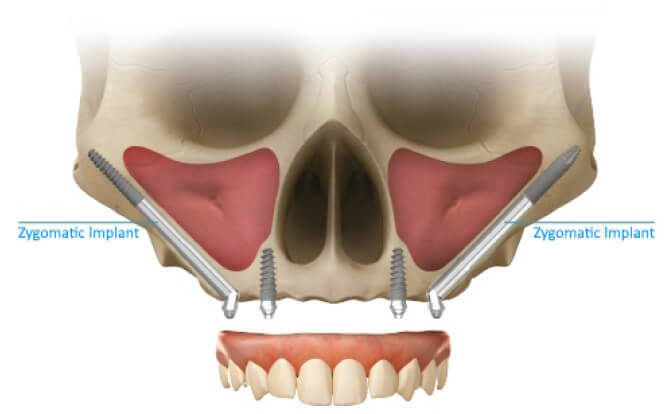
When the upper back jaw (posterior maxilla) lacks sufficient bone, zygomatic implants offer an alternative that avoids grafting by anchoring into the dense zygomatic (cheek) bone. These longer implants bypass deficient alveolar bone and engage the zygoma to support a prosthesis, often allowing faster restoration compared with extensive grafting. Zygomatic implant therapy is an advanced option for specific anatomic situations and requires specialist training. Dentistry by Dr. Kaplansky provides advanced implant solutions and recognized experience in zygoma care, offering tailored plans that can reduce the need for prolonged grafting when appropriate.

How Zygomatic Implants Avoid the Need for Grafts

Zygomatic implants obtain primary stability by anchoring in the zygoma rather than relying on the atrophic maxillary ridge, so they bypass the need to rebuild lost alveolar bone in many severe cases. Because the zygomatic bone is dense and stable, these implants can often support fixed prostheses sooner than staged grafting protocols. The technique requires precise 3D planning and surgical expertise to navigate sinus anatomy and achieve the correct implant trajectory. For carefully selected candidates, zygomatic anchorage provides a direct structural solution that avoids donor‑site morbidity and long graft maturation periods.

Dr. Kaplansky’s Experience with Zygomatic Implants

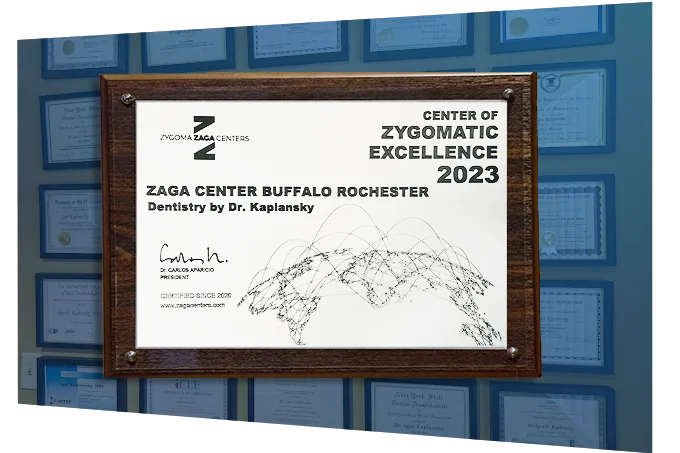
Dr. Kaplansky focuses on implant dentistry and advanced solutions for significant bone loss. The practice’s ZAGA Zygoma Center recognition reflects structured experience managing complex zygomatic cases and designing plans that restore function without extensive grafting when appropriate. This expertise supports careful patient selection, CBCT-based planning, and surgical execution intended to lower procedural risk and improve the chance of timely restoration.

Could Zygomatic Implants Be Right for You?

Typical candidates present with severe posterior maxillary atrophy where conventional implants would otherwise require large grafts. Determination requires CBCT imaging and a specialist evaluation of sinus anatomy, zygoma quality, and prosthetic goals. Potential advantages include avoiding major grafts and shortening overall treatment time; trade-offs include advanced surgical planning and a distinct complication profile. A consultation with an implant specialist will clarify whether zygomatic implants are a safe, viable option for your anatomy and restorative needs.

Cost of Bone Grafting and Available Financing

Bone graft costs vary with clinical complexity and chosen procedures. Major cost drivers include graft material, number of sites, whether implants are placed simultaneously or staged, the need for CBCT imaging, and anesthesia or operating‑room resources. Reviewing these factors helps patients set realistic expectations and obtain individualized estimates rather than relying on blanket prices. Dentistry by Dr. Kaplansky offers flexible financing and encourages a complimentary consultation to provide a personalized estimate that fits your restorative goals and financial planning.

Cost breakdown: The table below explains common cost factors so you can see how each element influences the total estimate.

Cost Factor

Description

How It Affects Cost

Graft Material

Autograft vs allograft/xenograft/alloplast

Autografts add donor-site surgery and time; processed grafts vary in price

Extent of Augmentation

Number of sites and size of the defect

Larger or multiple-site grafts raise material and surgical fees

Simultaneous vs Staged

Implant placed at the same time or after graft heals

Staged care may include additional surgeries and follow-up costs

Imaging & Anesthesia

CBCT scans, sedation, OR fees

Advanced imaging and sedation increase the total estimate

Summary: Discussing these factors during your consultation produces a realistic, individualized cost estimate that reflects the chosen grafting strategy and any additional services.

What Influences the Cost of Bone Grafting?

Primary cost drivers are graft material, the scale of augmentation, and whether the plan uses simultaneous implant placement or a staged approach. Additional costs come from CBCT imaging for precise planning and from sedation or operating‑room overhead if general anesthesia is required. Insurance coverage for grafting varies; many patients find financing or staged treatment plans helpful for managing out-of-pocket expenses without sacrificing long-term outcomes.

Flexible Financing at Dentistry by Dr. Kaplansky

Dentistry by Dr. Kaplansky offers flexible financing options to make advanced implant and grafting therapies more accessible. The practice provides free consultations where you can receive a personalized estimate and discuss payment plans. These options are designed to help patients pursue high-value procedures, including full‑mouth restorations or zygomatic solutions when grafting would otherwise be needed. To learn about financing eligibility and to get a tailored treatment timeline and cost estimate, schedule a consultation to review your clinical goals and payment arrangements.

Frequently Asked Questions

What Are the Risks of Bone Grafting?

Bone grafting is generally safe but carries risks such as infection, partial graft failure, or complications at the donor site if an autograft is used. Patients may experience swelling, discomfort, or, rarely, allergic reactions to synthetic materials. Discuss risks with your clinician so you understand how they’re minimized through surgical technique, perioperative care, and post‑operative instructions.

How Should I Prepare for a Bone Graft?

Preparation starts with a thorough consultation to review your medical history, medications, and allergies. You may be advised to stop smoking and to pause certain medications like blood thinners before surgery. Follow any pre‑op instructions about diet and oral hygiene, and arrange for support during the initial recovery period to help ensure a smooth postoperative course.

What Is Recovery Like After a Bone Graft?

Expect a few days of swelling and discomfort manageable with prescribed medications, a soft diet for a short period, and avoidance of strenuous activity. Regular follow-up visits let your clinician assess healing and integration. Knowing the typical recovery timeline and warning signs, such as increasing pain or unusual swelling, helps ensure any issues are addressed promptly.

Can Bone Grafting Be Repeated If Needed?

Yes. If an initial graft does not integrate or further bone loss occurs, additional grafting procedures can be considered. The decision depends on overall health, the cause of graft failure, and the specific anatomic challenges. A specialist evaluation will determine the safest and most effective next steps.

What Lifestyle Changes Support Bone Healing After Grafting?

After grafting, a balanced diet rich in calcium and vitamin D supports bone regeneration. Regular, low‑impact exercise promotes circulation, though high‑impact activity should be avoided during early recovery. Quitting smoking and limiting alcohol significantly improve healing outcomes. Follow your clinician’s post‑op guidance to optimize recovery.

How Will I Know My Graft Is Healing Properly?

Proper healing is indicated by gradually reduced pain and swelling, a stable graft site, and the absence of infection signs like fever or persistent drainage. Your dentist will monitor progress at follow-up visits and may use imaging to confirm graft integration. Contact your provider if you notice concerning symptoms so they can evaluate and intervene if necessary.

Is a Bone Graft Always Required for Dental Implants?

No. Not every implant case needs a graft. Some situations are managed with narrow or short implants, ridge‑friendly prosthetics, or alternative anchorage such as zygomatic implants, depending on anatomy and restorative goals. A CBCT and clinical assessment determine whether grafting is necessary for reliable implant stability. Your clinician will recommend the least invasive option that still achieves a durable result.

What Happens If There Isn’t Enough Bone for Implants?

Placing implants in inadequate bone raises the risk of failure from poor osseointegration and instability under load. Options include augmentation with grafting, selecting alternative implant designs, or considering removable or hybrid prostheses when fixed implants aren’t feasible. Specialist evaluation helps minimize risk and identifies a safe, functional plan rather than placing implants in compromised bone.

How Long Until a Bone Graft Heals?

Healing depends on graft type and defect size: small grafts may integrate within a few months, while larger reconstructions often take four to six months or more before implants can be placed. Patient factors such as smoking, systemic health, and adherence to post‑op care influence the timeline. Your clinician will monitor healing and use imaging to confirm implant readiness.

What Are the Main Alternatives to Bone Grafting?

Primary alternatives include zygomatic implants for severe maxillary defects, narrow or short implants where ridge reduction is mild, and removable or hybrid prostheses when fixed implants aren’t possible. Each option involves trade-offs in invasiveness, timeline, and prosthetic result, so individualized assessment determines the best path forward.

What Causes Jawbone Loss?

Jawbone loss stems from tooth extraction without socket preservation, periodontal disease that destroys supporting bone, trauma to alveolar structures, systemic conditions that impair bone metabolism, and prolonged edentulism that removes functional loading. Preventive care, timely tooth replacement, and periodontal health maintenance reduce the risk of progressive ridge resorption.

Why Choose Dentistry by Dr. Kaplansky for Bone Grafting and Implants?

Dentistry by Dr. Kaplansky specializes in implant dentistry and offers patient-centered plans that combine advanced diagnostic imaging, prosthetic-driven treatment planning, and access to specialized solutions for severe bone loss. Services include zirconia implant options, TeethNow full‑mouth restorations, and zygomatic implants when appropriate. The practice emphasizes tailored care, transparent financing, and complimentary consultations so you can move forward with confidence and a clear path to restoration.

Credentials and Expertise of Dr. Kaplansky

Dr. Igor Kaplansky is presented as a board‑certified implantology specialist, and the clinic’s recognition for zygoma care reflects structured experience managing complex implant cases. These credentials support planning and delivering advanced implant solutions — including zygomatic implants and full‑mouth restorations — while prioritizing patient safety and predictable prosthetic outcomes. Patients benefit from expertise that matches technique to individual anatomy rather than defaulting to a single approach.

How Personalized Care Improves Your Implant Experience

Personalized care means prosthetic-driven planning, tailored selection of graft materials or alternatives, and clear communication about timelines and expected outcomes. This approach aligns surgical choices with aesthetic and functional goals, coordinates multi-step treatments to minimize surprises, and provides financial planning to make advanced options accessible. The result is a predictable, informed journey from consultation to final restoration.

Advanced Technologies and Procedures Offered

The practice uses CBCT imaging for precise 3D planning, offers zygomatic and zirconia implant options for specific aesthetic and structural needs, and provides TeethNow full‑mouth restoration solutions for comprehensive cases. These technologies improve diagnostic accuracy, expand options for challenging anatomy, and support timely restoration when grafting can be avoided or minimized. Access to these advanced modalities helps clinicians tailor care to each patient’s anatomic and prosthetic requirements.

Richard-teeth-after

Dental Implant Pain: What to Expect and When to Seek Help

Experiencing some discomfort after dental implant surgery is completely normal. It’s a sign your body is healing. Typically, the most intense discomfort occurs within the first 24–72 hours, with significant improvement by the end of the first week. This guide will walk you through what sensations are expected, why they

Read More »