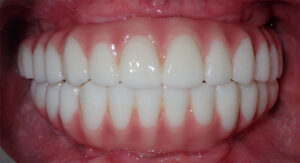
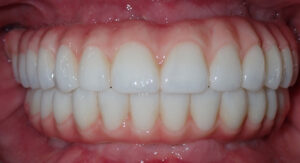
When a tooth is removed, you’re left with more than a gap — the jawbone begins a natural healing process that can change ridge shape and support. Dental implants placed after extraction restore chewing, protect bone volume, and recreate a natural-looking smile while the site heals. This guide walks through timing options (immediate, early, delayed), the biology of socket remodeling and osseointegration, and when grafting or a sinus lift may be needed. You’ll find typical healing windows, clinical criteria for immediate placement, the practical pros and cons of zirconia versus other implant materials, and straightforward notes on cost and financing. We map the care pathway from consultation and 3D imaging through extraction, possible socket preservation, implant surgery, and final restoration — so you can discuss realistic next steps with your clinician and make decisions that align with your functional and esthetic goals.
How Long After Tooth Extraction Can You Get a Dental Implant?
Implant timing after extraction usually falls into three categories: immediate (at the time of extraction), early (commonly 4–8 weeks later), and delayed (often 3–6 months or more). These windows reflect how bone remodels after extraction — a clot and soft-tissue repair phase is followed by new bone formation and later mature lamellar bone that supports implant stability. Faster timelines can preserve soft-tissue contours and shorten treatment, while waiting allows a healed ridge and stronger anchor when infection or bone loss is a concern. Your overall health, local bone volume, presence of infection, and the quality of soft tissue guide the best approach. Knowing these factors helps you weigh risks and benefits and prepares you for a tailored treatment plan.
What Is the Typical Healing Time Before Implant Placement?
Sockets heal in stages: inflammation, proliferation, and remodeling. Soft tissues usually close within two to three weeks, while bone fill continues for three to six months and beyond. Early placement protocols often use the 4–8 week window — the soft tissue has stabilized but full remodeling hasn’t finished — whereas delayed approaches usually wait around four months or longer for mature bone suitable for standard implant fixtures. Socket preservation at the time of extraction can help maintain ridge dimensions and shorten the wait to reliable implant placement. For example, an uncomplicated posterior extraction with socket grafting may be ready for implant placement around three months; a site with infection or major bone loss may need staged grafting and closer to six months. Individual healing varies, so imaging and clinical exam determine the exact schedule.
When Is Immediate Dental Implant Placement Possible?
Immediate implant placement is an option when healthy bone surrounds the extraction socket, there’s no active infection, and the implant can achieve good primary stability at insertion. The benefits include fewer surgeries, preservation of gingival architecture, and a shorter overall treatment timeline — particularly valuable in the esthetic zone when conditions permit. Contraindications include unresolved infection, insufficient bone for initial stability, poor soft-tissue quality, or systemic issues that impede healing; in those situations, staging with socket preservation or grafting is safer. Immediate placement requires careful planning, often with 3D imaging and, when appropriate, a provisional restoration to shape soft tissue. Expect a detailed evaluation of bone, soft tissue, and infection status before proceeding.
What Are the Types of Dental Implant Placement After Extraction?
Implant placement timing after extraction is typically categorized as immediate, early, or delayed. Each timing strategy has specific indications, trade-offs, and planning considerations.
Different timing strategies vary by indication, timing, pros, and cons:
Timing Approach | Typical Timing | Pros and Indications |
Immediate placement | At extraction appointment | Helps preserve soft-tissue contours; appropriate when socket walls are intact and no infection is present |
Early placement | 4–8 weeks after extraction | Balances soft-tissue healing with a shorter overall treatment time; useful when minor grafting is expected |
Delayed placement | ≥3 months after extraction | Best for sites with bone loss or active infection that require staged grafting; provides a predictable bone foundation |
In short: immediate placement favors esthetics and speed when criteria are met, early placement offers a compromise between healing and timeline, and delayed placement prioritizes predictable bone volume for long-term stability.
Immediate Placement: Advantages and Patient Suitability
Immediate placement reduces the number of surgeries and helps preserve interdental papillae and gingival contours — a clear advantage for front-tooth restorations when the buccal plate is intact. Ideal candidates are nonsmokers in good general health, without active periapical or periodontal infection at the extraction site, and with enough bone to secure primary stability; clinicians confirm these factors through exam and imaging. Risks include gaps between the implant and socket walls that require grafting and the higher technical demand to obtain stability; careful soft-tissue management and grafting strategies reduce these risks. When appropriate, a provisional restoration can support soft tissue shaping while osseointegration occurs.
Early and Delayed Placement: Timelines and Bone Graft Considerations
Early placement (about 4–8 weeks) takes advantage of soft-tissue healing while avoiding the full remodeling phase, which can let clinicians place implants with minimal additional grafting in moderate defects and shorten overall treatment. Delayed placement (three to six months or longer) is chosen when significant bone loss, infection, or anatomic limits require staged augmentation; staged procedures may include socket preservation, ridge augmentation, or sinus lifts, each with its own healing timeline. Decision-making centers on ridge width and height, infection status, and implant position needs; CBCT imaging quantifies these measurements and helps determine whether to place an implant at the same time as grafting or to stage the augmentation first. Proper graft planning influences timeline and complexity but improves the odds of long-term implant stability and esthetic results.
Why Is Bone Grafting Important for Dental Implants After Extraction?
Bone grafting restores or preserves ridge volume after extraction so the implant has a stable, long-lasting foundation. Graft materials serve as an osteoconductive scaffold and, depending on type, may offer osteoinductive signals or cells that support new bone formation over months. Typical indications for grafting include sockets that have collapsed after long-term tooth loss, thin buccal plates at extraction, and posterior maxillary sites that need sinus augmentation to regain vertical height. Choosing the right graft material and timing — at extraction, at implant placement, or staged before implanting — depends on defect severity, patient health, and prosthetic goals, with imaging guiding those decisions.
The table below compares common options and typical healing expectations.
Graft Type | Primary Purpose | Typical Use Case / Healing Time |
Autograft (patient bone) | Provides living bone cells plus scaffold support | Small ridge augmentations; typically heals in 3–6 months |
Allograft (donor human bone) | Scaffold that remodels into native bone | Socket preservation and moderate defects; commonly 4–6 months |
Xenograft (animal-derived) | Slow-resorbing scaffold to maintain volume | Large defects or esthetic zones; may require 6–9 months or longer |
Alloplast (synthetic) | Predictable, osteoconductive scaffold with controlled resorption | Minor augmentations and ridge preservation; often 3–6 months |
Use this comparison to guide conversations about timing and which graft type best matches your restorative plan.
How Does Bone Grafting Support Jawbone Health?
Bone grafting supports jaw health by providing a framework for native bone in-growth and blood vessel formation, restoring ridge dimensions that are critical for implant stability and esthetic contour. Through osteoconduction — and osteoinduction in some materials — grafts are gradually replaced by new bone during remodeling, a process tracked clinically and with imaging over months. The end result is a reliable implant bed that supports the fixture, abutment, and crown. Practically, successful grafting lowers the risk of implant failure, reduces soft-tissue recession, and helps preserve facial esthetics over time.
When Is a Bone Graft Necessary Before Implant Placement?
A graft is recommended when diagnostics show insufficient ridge width or height for a stable implant, when long-standing tooth loss has caused socket collapse, or when sinus pneumatization reduces vertical height in the upper jaw. Clinicians use CBCT measurements and clinical thresholds (ridge cross-sectional width, residual bone height) to decide whether to place an implant simultaneously with grafting or to stage augmentation first. Common scenarios include thin buccal plates after extraction, long-term edentulous ridges with resorption, and posterior maxilla cases that need a sinus lift. Matching timing and graft type to prosthetic needs optimizes long-term function and esthetics.
What Is the Dental Implant Process After Tooth Extraction at Dentistry by Dr. Kaplansky?
At Dentistry by Dr. Kaplansky, care starts with a thorough consultation and high-resolution 3D imaging to evaluate bone volume, anatomy, and restoration goals so we can plan precisely. CBCT-guided diagnostics help us choose between socket preservation, immediate placement, or staged grafting, and we document a clear treatment sequence so you know what to expect. Surgical steps follow the selected path — extraction with socket preservation, implant placement with or without grafting, and a monitored osseointegration phase before the final prosthesis — with regular follow-up to track healing and function. We emphasize board-certified implant expertise, personalized treatment plans, and materials and techniques that support long-term stability and esthetics.
How Does the Consultation and 3D Imaging Guide Treatment Planning?
The consultation combines clinical exam and CBCT 3D imaging to measure bone volume, reveal anatomic constraints, and guide implant size, angulation, and the need for augmentation — information essential for predictable surgery. CBCT shows proximity to nerves and sinuses, helps assess sinus anatomy for possible lifts, and identifies bone defects that influence whether immediate placement is possible or staged grafting is required. With this data we can simulate implant position and plan the prosthetic outcome ahead of surgery, reducing surprises and improving predictability. Patients receive clear visual explanations, a personalized timeline, and a transparent plan that connects surgical steps to restorative goals.
What Are the Steps from Extraction to Implant Placement and Healing?
The usual sequence includes extraction with appropriate socket care, a healing or grafting phase as needed, implant placement aiming for primary stability, and an osseointegration period of several months before abutment and crown placement. Post-extraction care prioritizes infection control and soft-tissue management; when used, socket preservation grafts help maintain ridge contours for later implant placement. During implant surgery we follow precise drilling protocols and, when indicated, use guided templates to position the fixture for ideal load distribution and prosthetic alignment. Routine follow-ups evaluate healing, radiographic integration, and prosthetic fit, and we give you specific home-care guidance to support reliable osseointegration.
The practical steps commonly follow this numbered progression to clarify expectations:
- Consultation and imaging to plan implant type and timing.
- Extraction and socket management with preservation or graft if indicated.
- Implant placement when the site meets stability criteria.
- Osseointegration monitoring with periodic exams and imaging.
- Abutment and final restoration once integration is confirmed.
These steps outline the usual workflow and help you visualize the path from extraction to a durable, natural-looking restoration.
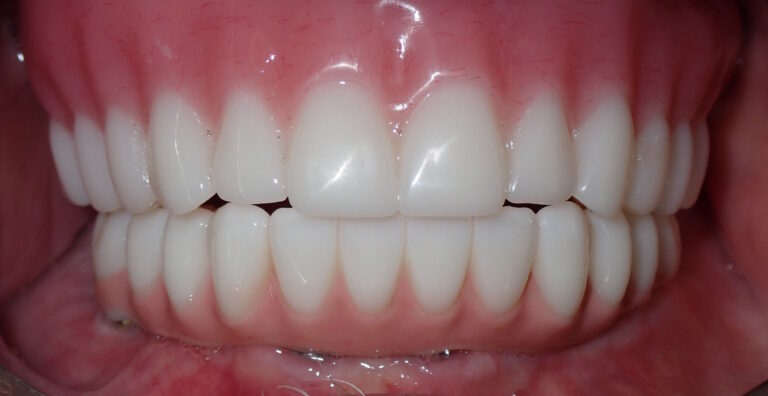
Dentistry by Dr. Kaplansky offers free consultations and flexible financing to help you evaluate implant options and plan treatment. We highlight board-certified implant expertise and individualized plans that include zirconia implants, single-tooth and multiple-tooth restorations, full-mouth solutions like TeethNow, and advanced techniques such as zygomatic implants when indicated. Schedule a consultation to review imaging and discuss a personalized timeline and cost estimate.
What Are the Benefits of Zirconia Implants for Post-Extraction Cases?
Zirconia implants offer clear esthetic and biocompatibility advantages after extraction, especially in the anterior zone where implant color and soft-tissue translucency affect final appearance. As a ceramic, zirconia reduces the chance of a grayish shine-through under thin gingiva, resists corrosion, and often shows a favorable soft-tissue response — all of which can improve long-term esthetics. Clinically, zirconia is a good option for patients with metal sensitivities or those who prefer a metal-free solution; material choice should still consider occlusal demands and prosthetic design. In experienced hands, zirconia can enhance outcomes when case selection and restorative planning support its use.
How Do Zirconia Implants Enhance Natural Aesthetics and Durability?
Zirconia’s tooth-like color and ability to support healthy peri-implant soft tissue make it advantageous in high-esthetic areas, lowering the risk of a grayish shadow beneath thin gum tissue and improving the emergence profile appearance. Modern zirconia implants show satisfactory strength and fatigue resistance for many single-tooth and fixed restorations, though choices depend on bite forces and prosthesis design. Zirconia also tends to have low plaque affinity and a favorable soft-tissue response in clinical reports, contributing to long-term peri-implant health when surgical technique and prosthetic planning are optimized. Proper patient selection — considering esthetic priorities, occlusion, and restorative materials — is essential before recommending zirconia.
Why Choose Dr. Kaplansky’s Expertise for Zirconia Implant Placement?
At Dentistry by Dr. Kaplansky we pair board-certified implant expertise with restorative-driven planning when considering zirconia implants, positioning them for ideal soft-tissue support and emergence profiles while balancing material benefits against mechanical needs. If you’re seeking a metal-free option or superior esthetics, we’ll evaluate whether zirconia fits your anatomy and restorative goals — whether for a single tooth, multiple implants, or full-arch rehabilitation. A consultation gives you a personalized assessment to determine if zirconia is the right choice for your smile.
How Can You Manage Cost and Financing for Dental Implants After Extraction?
Understanding the components that make up implant costs — extraction, socket preservation or grafting, implant fixture, abutment, and crown — is the first step to realistic budgeting. Complexity, grafting needs, choice of materials, and whether you require single implants, multiple implants, or full-arch reconstruction will affect price and timeline. Asking for an itemized estimate helps you compare options. Common financing strategies include in-office payment plans, third-party dental financing, and staging treatment to spread costs; many practices also offer free consultations to review options. Clear financial planning alongside clinical clarity reduces unexpected expenses and helps you follow the recommended course of care.
The table below breaks down typical procedure components, representative cost ranges, and financing notes to aid planning.
Procedure Component | Typical Cost Range | Financing / Notes |
Tooth extraction | Varies with complexity | Generally the baseline procedure; sometimes bundled into an implant plan |
Socket preservation / bone graft | Moderate cost; depends on graft choice | May be staged; financing can cover grafting separately |
Implant fixture (per implant) | Moderate to higher range | Costs vary by material and case complexity (zirconia vs other options) |
Abutment and crown | Moderate cost per restoration | Final prosthetic cost depends on material and esthetic needs |
Use this breakdown to request an itemized estimate tailored to your case and to plan finances alongside your clinical plan.
What Are Typical Costs Associated with Post-Extraction Implants?
Costs vary widely because clinical needs differ. A simple single-tooth implant with minimal grafting costs less than multiple implants or a full-mouth reconstruction that requires extensive augmentation or zygomatic approaches. Factors that raise cost include bone grafting, sinus lifts, the number of implants, implant material choice, and whether the restoration is single-unit, multi-unit, or full-arch. Ask for a detailed treatment plan that lists extraction, grafting, fixtures, abutments, and crowns so each cost is transparent. A personalized estimate based on CBCT imaging and the proposed surgical sequence provides the most accurate projection.
Which Financing Options Make Dental Implants Accessible?
Common financing options include in-office plans that spread payments, third-party dental lenders offering monthly repayment programs, and staged treatment scheduling to distribute procedures and costs over time. Insurance may cover parts of extraction or grafting but often limits coverage for implants; verify benefits and consider preauthorization when available. Dentistry by Dr. Kaplansky offers flexible financing and free consultations so you can review clinical scope and payment pathways during a no-cost visit.
- In-office payment plans: Monthly installments arranged directly with the practice.
- Third-party dental financing: External lenders with extended repayment terms.
- Staged treatment scheduling: Prioritizing procedures over time to spread costs.
Choosing the right financing mix depends on your budget, urgency, and clinical recommendations; discussing options during a free consultation helps identify what works best for you.
This article outlined clinical pathways, decision points, and practical guidance on timing, grafting, material choices like zirconia, and financial planning for implants after extraction. Every step is guided by the biology of osseointegration and the goal of restoring function and esthetics predictably. We encourage you to pursue personalized planning informed by 3D imaging and board-certified implant expertise at Dentistry by Dr. Kaplansky.
Frequently Asked Questions
What Are the Risks Associated with Dental Implants After Extraction?
Dental implants are a reliable solution, but like any surgery they carry risks. Possible complications include infection at the site, nerve irritation, and implant failure when bone quality or placement are compromised. Systemic conditions — for example, uncontrolled diabetes or certain autoimmune disorders — can raise the risk of poor healing. Be open with your dentist about your medical history so we can tailor care to minimize risks and support successful osseointegration.
How Can I Prepare for Dental Implant Surgery?
Preparation starts with a thorough consultation to review your medical history and treatment goals. Imaging such as CBCT scans may be needed to evaluate bone and anatomy. Follow any pre-op instructions — which might include pausing certain medications, fasting if sedation is planned, and arranging a ride home. Good oral hygiene before surgery lowers infection risk and helps recovery.
What Should I Expect During the Recovery Period After Implant Placement?
After implant surgery you can expect some swelling, discomfort, and minor bleeding — normal parts of healing. Rest and avoid heavy activity for a few days. Pain can usually be managed with prescribed or over-the-counter medications. Follow post-op care instructions, keep follow-up appointments, and expect an osseointegration period of several months during which you may be asked to stick to softer foods.
How Do I Maintain My Dental Implants After Placement?
Implant care closely mirrors care for natural teeth: brush gently twice daily with a soft brush, use non-abrasive toothpaste, and clean around the implant with floss or interdental brushes. Regular dental check-ups let us monitor the implant and surrounding tissues. Avoid habits that endanger implants — smoking or tooth grinding, for example — and maintain a balanced diet with adequate calcium and vitamin D to support overall bone health.
Can Dental Implants Fail, and What Are the Signs?
Although uncommon, implants can fail. Signs include ongoing pain, swelling, persistent infection, or mobility of the implant. Changes in the surrounding gum tissue, such as redness or recession, also warrant prompt attention. If you notice any of these symptoms, contact your dentist right away — early evaluation and treatment can often resolve issues before they lead to complete failure.
What Are the Long-Term Benefits of Dental Implants?
Dental implants restore chewing and speaking function, improve esthetics, and help preserve jawbone health by stimulating the bone in the area of the missing tooth. Compared with removable dentures, implants provide stable support and a more natural feel. With proper care and regular maintenance, implants can last many years and often a lifetime, making them a durable, cost-effective option for tooth replacement.