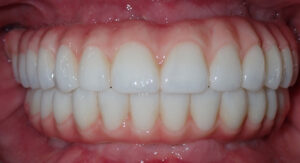
Dental implant healing describes the biological recovery after an implant is placed, from soft-tissue closure to bone integration and the final prosthetic restoration. Knowing the usual timelines helps you plan work, travel, and follow-up care. In practice, gum tissue usually heals in days to a few weeks, while the critical bone-level process — osseointegration — typically takes months; final restoration signals the end of the major healing period. This guide walks through each recovery stage, typical durations, common symptoms, and how clinical factors can change the schedule so you know what to expect at home and in the dental chair. You’ll find day-by-day immediate post-op care, the osseointegration timeline and its influencers, when abutments and crowns are placed, key aftercare steps, and how to spot complications early. Throughout, we note how experienced implant teams tailor plans for complex cases so you can act on realistic timelines and seek specialist care when needed.
What are the key stages of the dental implant healing process?
Healing after implant surgery follows a predictable sequence that moves from initial wound closure to long-term bone remodeling. Each stage has a clear purpose and a typical timeframe that helps clinicians decide when loading and restoration are safe. Clinically, the main phases are Immediate post‑surgery recovery, Soft‑tissue healing, Osseointegration (bone integration), and Abutment and final restoration. Understanding the order explains why early discomfort can coexist with slow structural recovery, and it helps you follow focused aftercare for each phase. Below is a concise roadmap describing what most patients experience as they move toward a finished restoration.
The major healing stages for a typical single implant include:
- Immediate post‑surgery recovery: pain control, swelling management, and wound stability during days 1–7.
- Soft‑tissue healing: mucosal closure and reduced tenderness across weeks 1–4.
- Osseointegration: bone remodels around the implant, creating long‑term stability over roughly 3–6 months (longer if grafting is needed).
- Abutment connection and final restoration: prosthetic steps restore function and appearance once integration is confirmed.
These stages provide a practical framework for expectations and clinical decision‑making. The table below summarizes typical durations and signs so you can quickly scan what to expect at each milestone.
Different phases of implant recovery present distinct timelines and observable milestones.
|
Stage
|
Typical Duration
|
What to Expect / Symptoms / Next Steps
|
|
Immediate post‑op recovery (Days 1–7)
|
1–7 days
|
Pain, swelling, minor bleeding; manage with prescribed pain relief, cold packs, light activity; call clinic if problems persist
|
|
Soft tissue healing (Weeks 1–4)
|
1–4 weeks
|
Gum closure and reduced tenderness; suture removal if used; resume careful oral hygiene and a soft diet
|
|
Osseointegration (Bone healing)
|
3–6 months (varies)
|
Bone grows against the implant surface; avoid heavy biting; periodic X‑rays and stability checks confirm progress
|
|
Abutment/final restoration (Prosthetic phase)
|
After osseointegration, typically 3–6+ months
|
Abutment placement, impressions, crown/bridge delivery, occlusal adjustment, ongoing maintenance
|
What happens during the immediate post‑surgery recovery?
The first week focuses on symptom control, protecting the wound, and spotting urgent issues early. Most people have moderate pain, facial swelling, and light bleeding that peak in the first 24–72 hours and then improve with pain medication, ice, and rest. Taking medications as directed and practicing gentle oral hygiene — cleaning surrounding teeth while avoiding direct trauma to the surgical site — lowers infection risk and helps soft tissues close. If bleeding continues beyond the first day or swelling worsens after 72 hours, contact your dental team for evaluation, as these can signal complications. This initial window sets the tone for mucosal healing over the following weeks, so conservative activity and careful care during days 1–7 matter.
How does gum tissue heal in the initial weeks?
Gum healing usually proceeds across weeks 1–4 as the mucosa re‑epithelializes and any sutures dissolve or are removed; tenderness decreases and the site becomes less sensitive. Effective plaque control with a soft toothbrush and any prescribed antimicrobial rinse supports healthy epithelialization and helps prevent peri‑implant soft‑tissue infection. Expect gradual color normalization and reduced swelling, while tissue contour continues to refine over several months — especially with multi‑tooth or full‑arch cases. Watch for persistent redness, pus, or increasing pain; those signs require prompt assessment because they can indicate soft‑tissue infection or early peri‑implantitis. Solid mucosal healing provides the protective barrier needed before the implant is functionally loaded during osseointegration.
How long does osseointegration take and why is it crucial?
Osseointegration is the biological process by which bone grows and bonds to the implant surface, creating the structural stability needed for safe chewing and long‑term success. It’s essential because the implant’s load‑bearing ability depends on a stable bone–implant interface. Osteoblasts lay down new bone along the implant while remodeling removes weak or necrotic bone — a process that unfolds over weeks to months and is influenced by implant surface, bone quality, and overall health. If secure osseointegration doesn’t occur, the implant risks mobility and failure, so clinicians confirm integration before placing definitive prosthetics. Knowing the typical timeline and what affects it helps explain why implant treatment usually spans months rather than days.
Osseointegration depends on implant surface and host biology:
- Implant surface and material: roughened titanium or zirconia surfaces encourage bone attachment and support earlier stability.
- Bone quality and volume: dense cortical bone integrates more predictably than low‑density cancellous bone.
- Systemic and local factors: smoking, poorly controlled diabetes, and certain medications can slow bone healing and raise failure risk.
These factors are why clinicians often prefer conservative loading schedules to protect long‑term outcomes. The next sections define the process and typical periods in more detail.
What is osseointegration and how does it affect implant success?
Osseointegration is when living bone forms a direct, durable interface with the implant, leaving no intervening fibrous tissue and allowing the implant to bear function without mobility. Biologically, osteoblasts and remodeling cycles deposit lamellar bone onto the implant, creating the mechanical interlock that resists chewing forces. Implant materials — typically titanium, and increasingly zirconia — influence cellular responses; modern surface treatments improve early bone apposition and primary stability. Clinically, successful osseointegration means long‑term implant survival and predictable prosthetic function; incomplete or fibrous integration produces pain, mobility, and eventual failure. Confirming integration reliably guides the timing for abutment placement and final restoration.
What is the typical osseointegration period for dental implants?
Most dental implants take about three to six months to osseointegrate, though individual timelines vary with bone quality, whether grafting was performed, systemic health, and implant location. Implants in the softer maxillary bone often need the longer end of that range, while dense mandibular bone can integrate faster and sometimes tolerate earlier loading. When bone grafts are used, graft consolidation adds time — potentially several months depending on graft type and volume. Clinicians monitor integration with clinical stability tests and radiographs, and they extend timelines when necessary to protect long‑term success rather than rushing restoration.
When is abutment placement and final restoration completed?
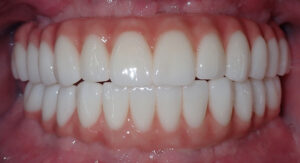
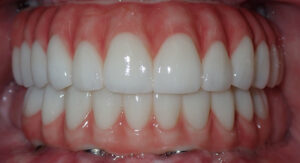
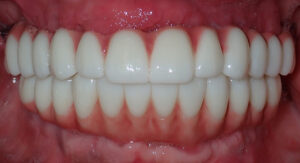
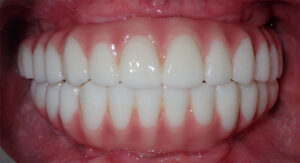
Abutment placement and final restoration are the prosthetic steps that restore function and appearance, and timing depends on confirmed osseointegration and patient‑specific factors. In a delayed protocol, abutments are connected after clinical and radiographic evidence of integration, followed by impressions, fittings, and occlusal refinements. In carefully selected immediate‑loading cases — where primary stability is high and bone quality is favorable — clinicians may place provisionals on the day of surgery or within days, but these approaches require strict case selection and close follow‑up. The prosthetic phase ends with definitive restorations and occlusal tuning; ongoing home care and periodic professional checks preserve implant health.
What is the timeline for abutment placement after osseointegration?
Standard delayed‑abutment protocols schedule abutment connection once osseointegration is confirmed, commonly three to six months after implant placement, with adjustments for grafting or compromised bone. Immediate abutment or immediate loading can shorten this to days or weeks in selected cases that meet rigid stability criteria and receive close monitoring. After abutment placement, soft tissues usually need a few weeks to shape around the hardware before impressions and final prosthetic fabrication. Follow‑ups verify soft‑tissue adaptation and let the dentist fine‑tune bite forces so the prosthesis shares loading properly with surrounding teeth.
How does final restoration complete the healing process?
The final restoration completes the treatment by restoring tooth form and bite function while allowing routine maintenance that preserves the implant–bone relationship. The prosthesis transfers functional loads through the abutment into osseointegrated bone. At the final appointment the clinician confirms fit, contacts, and esthetics, performs occlusal adjustments, and reviews home‑care and maintenance intervals. Good prosthetic design minimizes damaging lateral forces and improves hygiene access, both important for reducing long‑term peri‑implantitis and mechanical complications. After restoration, patients move into a maintenance phase where regular professional visits and careful oral hygiene help implants last for many years.
Which factors influence the duration of dental implant healing?
Clinical, biological, and lifestyle factors change how long implant healing takes by affecting bone remodeling, soft‑tissue recovery, or the need for staged procedures. Clinicians evaluate these before treatment to set realistic timelines. Key modifiers include bone quality and the need for grafting, systemic conditions like diabetes, medication effects (for example bisphosphonates), tobacco use, and surgical technique. Understanding each factor lets clinicians reduce risks through material choice, staged approaches, or alternative implant strategies, and it helps patients improve outcomes via smoking cessation and chronic‑disease optimization. The table below compares main factors, their effects on healing, and practical mitigation steps.
Below is a comparative table showing important modifiers of healing and practical mitigation steps.
|
Factor
|
How it Affects Healing
|
Clinical Implication / Mitigation
|
|
Bone quality (density/volume)
|
Poor bone slows integration and lowers initial stability
|
May require staged grafting, longer healing before loading, or alternate implant sites
|
|
Bone grafting
|
Adds consolidation time while the graft vascularizes and integrates
|
Plan extra months for graft healing; select graft materials with predictable outcomes
|
|
Smoking
|
Reduces blood flow and impairs bone and soft‑tissue healing
|
Advise cessation before and after surgery to improve success rates
|
|
Systemic conditions (e.g., diabetes)
|
Poorly controlled disease delays remodeling and raises infection risk
|
Optimize medical control before surgery and monitor closely afterward
|
|
Medications (e.g., bisphosphonates)
|
Can alter bone turnover and increase complication risk
|
Review medications with the patient’s physician and tailor the treatment plan
|
This comparison helps patients and providers choose protocols that reduce timeline uncertainty and protect implant longevity. Experienced clinicians also offer options for patients with challenging anatomy or extended‑healing needs.
Dentistry by Dr. Kaplansky provides specialized implant solutions for complex cases, including strategies to manage limited bone volume or prolonged healing with materials and techniques chosen for each patient. Serving Gasport, Lockport, and Buffalo, NY, the team emphasizes individualized planning — and for some patients, zirconia implants or zygomatic approaches can reduce or avoid extensive grafting. These options are used selectively when clinical assessment suggests they will shorten treatment burden or improve predictability for patients facing longer conventional timelines.
How do bone quality and bone grafting affect healing time?
Bone quality and grafting needs directly affect the osseointegration window because grafted sites need time to revascularize and become integrated before reliable implant stability is achieved. Dense cortical bone provides faster primary stability and may allow earlier loading, while low‑density posterior maxillary bone typically requires more months. When grafting is necessary, clinicians choose staged or simultaneous approaches: staged grafts add several months for consolidation, while simultaneous graft‑plus‑implant can streamline care but requires adequate primary stability. For severe atrophy, alternative solutions such as zygomatic implants may be considered to avoid lengthy graft healing and shorten overall treatment time.
What impact do patient health and lifestyle choices have on recovery?
Health and lifestyle factors — smoking, blood sugar control, nutrition, and certain medications — affect healing by altering blood flow, immune response, and bone metabolism. Smoking reduces microcirculation and raises infection and failure risk; uncontrolled diabetes impairs collagen formation and bone remodeling. Both commonly lengthen recovery and increase the need for staged care. Medications that influence bone turnover should be reviewed carefully because they change remodeling dynamics and risk profiles. Patients who improve nutrition, stop tobacco, and coordinate medical care with their dentist usually experience faster, more predictable healing and fewer complications, increasing the likelihood of timely restoration.
What are the essential post‑surgery care practices for optimal healing?
Targeted post‑op care supports each healing stage by reducing infection risk, controlling inflammation, and promoting predictable osseointegration. Following evidence‑based aftercare can shorten recovery where biology allows. Core steps include appropriate pain and anti‑inflammatory use, gentle but effective oral hygiene, activity modification, and dietary adjustments to protect the surgical site. Regular follow‑ups let clinicians monitor milestones and intervene early if needed. The table below summarizes practical care actions, timing, and benefits so you can reference what to do and why.
The following table lists essential care actions, timing, and what they accomplish for healing.
|
Care Step
|
When / How Long
|
Expected Benefit / Warnings
|
|
Pain and anti‑inflammatory regimen
|
First 3–7 days, as prescribed
|
Controls discomfort and reduces swelling; avoid NSAIDs if your provider advises
|
|
Cold packs and rest
|
First 48–72 hours
|
Limits swelling and bleeding; avoid strenuous activity for 3–7 days
|
|
Gentle oral hygiene
|
Start day 1 around the site, continue long‑term
|
Prevents plaque‑related infection; use a soft brush and any prescribed rinses
|
|
Soft diet and hydration
|
First 1–2 weeks (progressive)
|
Reduces load on the implant and supports nutrition; avoid hard or crunchy foods
|
|
Follow‑up visits
|
1 week, then periodic checks through integration
|
Enables early detection of complications and radiographic monitoring
|
Which post‑operative care steps support faster recovery?
Following a structured post‑op plan helps recovery by limiting inflammation, preventing infection, and protecting primary stability — all of which support efficient osseointegration. Key actions are taking prescribed medications on schedule, using cold packs intermittently for the first 48–72 hours, and keeping the area clean with gentle but thorough oral hygiene that avoids direct trauma to the surgical site. Avoid smoking and alcohol during early healing because both impair cellular repair and raise infection risk. Attending scheduled follow‑ups allows clinicians to confirm progress and tweak care; patients who follow instructions usually have fewer setbacks and a smoother path to prosthetic restoration.
Dentistry by Dr. Kaplansky provides structured post‑op support and scheduled follow‑ups to monitor healing closely and address concerns quickly. The practice emphasizes patient comfort and clear instructions to encourage adherence, and offers financing options and free consultations to help patients plan treatment realistically.
What dietary and activity restrictions should patients follow?
Diet and activity limits protect the surgical site from excessive force and contamination while healing proceeds. In the first week, choose soft, nutrient‑dense foods such as smoothies, mashed vegetables, and protein purees, and avoid crusty, crunchy, or sticky items that could disturb the site. Light activity is fine early on, but avoid heavy lifting and vigorous exercise for 1–2 weeks to prevent increased bleeding or swelling. Alcohol and tobacco should be avoided during initial healing because they impair immune response and bone formation. Gradually return to a normal diet and activity as your comfort and clinician assessments allow.
How can you recognize and prevent complications during healing?
Spotting early warning signs and taking preventive steps reduces the chance of implant failure and allows prompt treatment when problems arise. Prevention centers on infection control, maintaining stability, and managing systemic risk factors. Common complications include postoperative infection, failed osseointegration, and peri‑implantitis — each with recognizable symptoms and standard responses. Patients should know the red flags and when to call their dental team for urgent evaluation. The guidance below helps distinguish normal recovery from signs that need attention.
Common warning signs to watch for include persistent or worsening pain, increasing swelling after the first 72 hours, fever, pus or foul drainage from the surgical site, or any new mobility of the implant. If these occur, contact your dental team promptly for assessment and possible intervention. Proactive measures that lower risk include strict oral hygiene, quitting tobacco, good glycemic control, and attending scheduled radiographic follow‑ups. Early detection and timely management greatly improve the chances of salvaging an at‑risk implant and returning the case to a successful outcome.
What are common signs of implant healing problems or infection?
Warning signs of infection or compromised healing include increasing pain after initial improvement, swelling that worsens beyond 72 hours, purulent discharge, fever, and any mobility of the implant fixture — unlike normal healing, where pain and swelling steadily decline. Radiographs may show bone loss or lack of progressive bone fill if integration is failing. Seek immediate clinical evaluation when these signs appear, because early treatment — antibiotics, debridement, or restorative revision — can prevent implant loss. Keep a clear record of symptom timing and severity to help your clinician decide whether office management or urgent care is needed.
When should you contact your dentist about healing concerns?
Contact your dental team right away if you have severe or worsening pain, uncontrolled bleeding, fever, increasing facial swelling after 72 hours, pus from the site, or any mobility of the implant — these typically need urgent evaluation. For less urgent issues, such as lingering tenderness or slow soft‑tissue maturation, schedule a next‑day or routine follow‑up so your clinician can monitor progress and adjust care. When you call, describe symptom timing and severity clearly and follow any instructions for emergency visits; prompt communication shortens response time and improves the chance of resolving problems without implant loss. Your dental team is ready to triage symptoms and recommend appropriate in‑office interventions.
Dentistry by Dr. Kaplansky welcomes patients with concerns during the healing period and offers personalized follow‑up care focused on comfort and predictable outcomes. Patients in Gasport and the surrounding communities can arrange a free consultation to discuss implant options, including zirconia implants or zygomatic approaches when traditional grafting would otherwise extend healing and treatment timelines.
Frequently Asked Questions
What should I expect during the first week after dental implant surgery?
Expect moderate pain, swelling, and some bleeding during the first week, with the first 24–72 hours usually being the worst. Follow your prescribed pain‑management plan, use cold packs to limit swelling, and rest. Keep oral hygiene gentle — avoid brushing directly over the surgical site but keep surrounding teeth clean. Contact your dental team if symptoms worsen or don’t improve as expected.
How can I ensure proper osseointegration of my dental implant?
To support osseointegration, follow your dentist’s post‑op instructions closely: avoid heavy biting and strenuous activity, maintain excellent oral hygiene to prevent infection, manage systemic conditions like diabetes, and avoid smoking. Attend all scheduled follow‑ups so your dentist can monitor integration and adjust your care plan as needed.
What dietary changes should I make after getting a dental implant?
Stick to a soft diet for the first week or two — smoothies, mashed potatoes, and protein purees work well. Avoid hard, crunchy, or sticky foods that could disturb the site. Stay hydrated and gradually reintroduce normal foods as comfort and healing permit. Check with your dentist for personalized guidance based on your recovery.
How can I recognize if my dental implant is failing?
Signs of a failing implant include ongoing or worsening pain, increased swelling after the initial recovery period, fever, pus drainage, or any implant mobility. If you notice these, contact your dental team immediately. Early detection and intervention improve the chances of saving the implant.
What role does smoking play in the dental implant healing process?
Smoking significantly harms implant healing by reducing blood flow, increasing infection risk, and impairing bone formation, which raises the chance of failed osseointegration. Patients are strongly advised to stop smoking before and after surgery. Discuss cessation options with your healthcare team to improve your overall recovery and the implant’s success.
How often should I attend follow‑up appointments after my implant surgery?
Follow‑ups are essential. Typically, you’ll have a one‑week post‑op visit, then periodic checks throughout the osseointegration phase (which can last several months). These appointments let your dentist assess healing, take radiographs when needed, and address any concerns. Keeping the follow‑up schedule is key to long‑term implant success.