Many patients wonder whether dental implants are the right solution for them. In short: ideal candidates have good oral and overall health, sufficient bone to allow osseointegration, and the ability to maintain long-term hygiene. Absolute and relative contraindications include uncontrolled systemic disease, active periodontal infection, severe untreated bone loss, and certain medications or recent cancer therapies that impair healing. This article walks through the anatomic, medical, lifestyle, developmental, and prosthetic factors that determine implant eligibility, and it outlines practical alternatives and staged pathways for patients who aren’t immediate candidates. You’ll learn how jawbone volume, gum health, chronic illnesses such as diabetes, habits like smoking and bruxism, and age-related factors affect candidacy — and which clinical steps can often convert a patient into a candidate over time. If you live near Gasport, Lockport, or Buffalo, NY, Dentistry by Dr. Kaplansky offers expert evaluations by a board-certified implantologist and complimentary consultations to review personalized options; to pursue care, please book a consultation with Dr. Igor Kaplansky. The guidance below emphasizes evidence-based criteria and clear next steps for safe, predictable implant care.
What Are the Foundational Requirements for Dental Implant Candidacy?
Basic candidacy rests on three local, interrelated factors: enough jawbone quantity and quality to secure primary stability, healthy soft tissues and periodontal health to reduce infection risk, and a prosthetic/occlusal plan that prevents mechanical overload. Osseointegration — the biologic integration of titanium or zirconia implants with bone — needs stable contact between the implant surface and living bone, which is reliable only when bone volume and density meet clinical thresholds. Diagnosis commonly uses CBCT/3D imaging to map anatomy, locate vital structures, and plan implant position. When deficiencies exist, bone grafting and sinus-lift procedures can restore volume; in severe cases, alternatives such as zygomatic implants or zirconia systems may be considered. Knowing these local prerequisites helps clinicians choose the right implant type and timing and lowers the risk of complications like early failure or peri-implantitis. Below are the core anatomic and tissue requirements that determine whether a standard implant approach is feasible or whether staged reconstruction is needed.
Key anatomic and tissue prerequisites include:
- Adequate jawbone volume and density to achieve primary stability for the implant fixture.
- Healthy gum tissue without active periodontal disease to reduce the risk of peri-implantitis.
- A prosthetic plan and occlusion that limit excessive forces and permit cleanable restoration contours.
These prerequisites shape diagnostic planning and possible staged interventions, and they form the basis for recommendations such as grafting or alternate implant strategies.
How Does Jawbone Density Affect Dental Implant Eligibility?
Jawbone volume and density determine whether an implant achieves the mechanical stability required for osseointegration and long-term function. Low bone volume may follow long-standing tooth loss, chronic periodontal disease, trauma, or congenital anatomy, leaving insufficient cortical or trabecular support for implant fixtures. Clinicians use CBCT imaging to measure ridge width, height, and bone quality and to plan grafts or alternative solutions. For moderate loss, ridge augmentation or sinus lifts often restore anatomy over predictable healing intervals. When posterior maxillary atrophy or generalized resorption is severe and grafting is impractical, zygomatic implants offer a graftless option by anchoring in the zygoma, and prosthetic designs can be adapted to distribute forces more safely. Timelines vary: grafts usually need several months to consolidate before implant placement, while some advanced strategies permit immediate loading if primary stability is achieved.
Why Is Healthy Gum Tissue Essential for Dental Implants?
Healthy periodontal tissue is vital because soft-tissue inflammation and active periodontitis increase the risk of peri-implant mucositis and peri-implantitis, which can lead to bone loss and implant failure. Periodontal pathogens form biofilm that, if present at implant placement or prosthesis delivery, can compromise healing and osseointegration by sustaining local inflammation. Pre-implant protocols focus on periodontal therapy — scaling, root planing, and surgical treatment when needed — to eliminate active disease and create stable, keratinized tissue around future implant sites. Soft-tissue grafting or contouring may also be necessary to establish esthetic and hygienic contours that make daily cleaning and professional maintenance possible. Controlling inflammation before surgery reduces complications and improves long-term prognosis.
Which Medical Conditions Prevent or Complicate Dental Implant Success?
Systemic health affects the biologic processes that enable implant integration and long-term success. Certain medical conditions and medications create absolute or relative contraindications by impairing wound healing, altering bone metabolism, or increasing infection risk. Absolute contraindications are rare but may include uncontrolled systemic illness that makes surgery unsafe. Relative contraindications — such as poorly controlled diabetes or immunosuppressive therapy — call for medical coordination, optimization, and risk mitigation. Every case is individualized: a thorough medical history, targeted labs when indicated, and collaboration with the patient’s physicians guide timing and perioperative management. The table below summarizes common systemic conditions, the physiologic effect they produce, and the clinical implication for implant candidacy so patients and referring clinicians can see the links clearly.
The following table summarizes key systemic conditions, the physiologic effect they produce, and the clinical implication for implant candidacy:
Condition / Medication | Biological Effect | Impact on Implant Candidacy |
Uncontrolled diabetes mellitus | Impaired microvascular circulation and immune response | Higher infection and delayed healing risk; requires glycemic control before surgery |
Recent head/neck radiation therapy | Reduced bone vascularity and higher osteoradionecrosis risk | Often contraindicated until careful risk assessment; may require hyperbaric oxygen therapy or alternative prosthetics |
Immunosuppressive therapy / autoimmune disease | Blunted inflammatory response and altered healing | Case-by-case evaluation; coordination with prescribing physician and timing of medications |
Bisphosphonates / antiresorptives | Altered bone remodeling and rare risk of jaw osteonecrosis | Increased risk with intravenous formulations; dental planning requires medical consultation |
Anticoagulants / bleeding disorders | Increased perioperative bleeding risk | Requires medical management and possible temporary modification under physician guidance |
This table highlights why clinicians assess systemic disease severity and medication exposure, and why individualized planning and medical coordination are essential.
How Does Uncontrolled Diabetes Impact Dental Implant Healing?
Uncontrolled diabetes impairs microvascular perfusion, reduces neutrophil function, and slows collagen formation — all of which delay wound healing and raise infection risk. Higher HbA1c levels are associated with increased complication rates, so many implant teams use glycemic thresholds to proceed safely. Patients with well-controlled diabetes often achieve success rates similar to non-diabetic patients. Management includes optimizing blood sugar with the patient’s medical team, planning for antibiotic prophylaxis or closer monitoring when indicated, and postponing elective implant surgery until metabolic control is achieved. A coordinated perioperative plan, strict oral hygiene, and attentive follow-up help support predictable osseointegration once diabetes is controlled.
What Are the Effects of Autoimmune Diseases on Implant Candidacy?
Autoimmune conditions and their treatments can change immune competence and healing capacity, with variable effects depending on disease activity and medication type. Conditions like rheumatoid arthritis or lupus often require immunomodulatory drugs that may increase infection risk or slow tissue repair; biologic agents in particular may need timing adjustments around surgery. Clinicians evaluate disease control, coordinate with rheumatologists or treating physicians, and consider short medication pauses only when medically appropriate to reduce infection risk without triggering a flare. Many patients with stable autoimmune disease and steady medication regimens can still achieve successful implant outcomes with individualized perioperative strategies and careful maintenance.
Why Is Cancer Treatment a Contraindication for Dental Implants?
Cancer treatments affect implant candidacy based on modality, timing, and the treated anatomical field. Chemotherapy can temporarily suppress immune function, while radiation to the head and neck reduces local vascularity and increases the risk of osteoradionecrosis. Implants placed into recently irradiated bone carry higher failure and complication rates, so clinicians usually delay elective implant surgery until recovery is sufficient and risks have been reviewed with oncology. For patients with prior head and neck radiation, a multidisciplinary assessment guides options — removable prostheses or specialized reconstructive strategies may be safer. When implants are considered, hyperbaric oxygen or staged surgical plans may be part of the risk-reduction approach. Radiation dose, timing, and field are key variables in the decision.
What Other Medical Conditions and Medications Affect Eligibility?
Beyond the major conditions above, other medications and comorbidities influence implant planning by changing bone biology, bleeding risk, or systemic resilience. Examples include osteoporosis treatments, chronic steroid use, and unstable cardiovascular disease. Clinicians routinely consult prescribing physicians to weigh the benefits and risks of temporary medication changes — for example, drug holidays for certain antiresorptives — but only when medically justified and agreed upon by the care team. Preoperative optimization, selective lab screening, and individualized informed consent make sure patients understand potential complications and the steps that can reduce them. The summaries above link each condition’s mechanism to its clinical implication to aid decision-making.
How Do Lifestyle Factors Influence Dental Implant Suitability?
Lifestyle choices have both biologic and mechanical effects that change implant prognosis. Smoking reduces blood flow and immune response, poor oral hygiene increases biofilm and peri-implantitis risk, and bruxism places mechanical overload on implants and restorations. These factors are often modifiable: smoking cessation programs, improved oral hygiene with professional periodontal care, and occlusal management for bruxism can convert marginal candidates into predictable implant patients. During consultation, clinicians assess these behaviors and incorporate remediation into the treatment timeline so implants are placed in a healthier environment. The table below maps common behaviors to their physiologic effects and practical actions to improve candidacy.
Introductory paragraph: The table below gives a clear link between patient behavior, physiologic consequence, and actionable remediation so you can prioritize preoperative steps that most improve implant success.
Behavior | Biological Effect | Recommended Action |
Smoking / tobacco use | Vasoconstriction, reduced healing, higher infection and failure rates | Enroll in a cessation program and avoid tobacco for several weeks before and after surgery |
Poor oral hygiene | Biofilm accumulation leading to peri-implant mucositis and peri-implantitis | Establish a daily cleaning routine and complete professional periodontal maintenance before and after implant placement |
Bruxism / clenching | Mechanical overload of implants and prostheses leading to screw loosening or fracture | Use a nightguard, consider resilient prosthetic materials, and optimize occlusion |
Summary paragraph: Addressing lifestyle factors is often the most effective way patients can improve their candidacy. By quitting smoking and improving hygiene — and by treating habits like bruxism — patients significantly lower complication rates and support long-term implant function.
Why Is Smoking a Major Risk Factor for Implant Failure?
Smoking interferes with healing by causing vasoconstriction, lowering oxygen delivery to surgical sites, and impairing immune cell function. These effects increase infection risk and reduce the chance of reliable osseointegration. Numerous studies show higher early failure and peri-implantitis rates among smokers, with heavier use linked to greater risk. Clinically, most protocols recommend stopping tobacco several weeks before surgery and remaining abstinent during healing; practices can provide cessation resources or coordinate with primary care for support. For patients who cannot or will not quit, clinicians discuss alternative prosthetic options and set realistic expectations about increased complication risk.
How Does Poor Oral Hygiene Affect Dental Implant Outcomes?
Poor oral hygiene lets pathogenic biofilm colonize implant surfaces and surrounding tissues, triggering inflammation that can progress from reversible mucositis to destructive peri-implantitis and bone loss. Daily plaque control combined with scheduled professional cleanings and periodontal therapy when needed greatly reduces this risk and is essential before implant placement and for life after restoration. Pre-implant conditioning often includes scaling and root planing, localized antibiotics when indicated, and instruction on interdental cleaning around implants. Showing consistent hygiene and completing periodontal treatment are standard prerequisites for surgery and for maintaining long-term success.
What Is the Impact of Bruxism on Dental Implant Longevity?
Bruxism exerts repetitive parafunctional forces that can overload implants and prosthetic parts, raising the chance of screw loosening, prosthesis fracture, or bone loss from micro-motion. Diagnosis relies on clinical signs (wear facets, abfractions) and patient history. Management includes occlusal adjustments, resilient prosthetic materials, strategic implant placement to spread forces, and nightguard therapy to protect restorations. With these mitigations, many implants remain viable — but prosthetic design and maintenance must anticipate higher mechanical demands. Early recognition and proactive management turn bruxism from an exclusionary factor into a manageable risk.
What Age and Developmental Factors Affect Dental Implant Candidacy?
Age affects candidacy mainly through developmental and physiologic concerns rather than strict chronological limits. For adolescents, ongoing craniofacial growth is the primary issue; for older adults, clinicians assess systemic health, bone quality, and functional needs. Implants placed before skeletal maturity may become misaligned as the jaws grow, so providers typically delay definitive implants until growth is complete and use provisional solutions during adolescence. Conversely, medically stable older patients often do well with implants; studies show successful outcomes in seniors when comorbidities are controlled and maintenance is diligent. Across ages, the emphasis is on individualized assessment and timing to match prosthetic goals with biological readiness.
Why Are Individuals Under 18 Generally Not Candidates for Implants?
Placing implants before jaw growth is finished risks positional mismatch as the alveolar processes and facial skeleton continue to develop, which can cause infraocclusion or esthetic problems. Growth assessment — clinical, radiographic, and sometimes orthodontic consultation — is standard to confirm skeletal maturity before definitive implant work. Temporary options such as removable partial dentures or adhesive bridges preserve space, restore function, and protect esthetics without committing to a permanent fixture that could complicate future development. Once growth is complete, staged implant reconstruction can proceed predictably.
Is There an Upper Age Limit for Dental Implant Eligibility?
Chronological age alone is not a barrier to implants. Candidacy depends on physiologic health, bone quality, and the patient’s ability to maintain hygiene and attend follow-up care. Older adults who are medically stable, keep good oral hygiene, and have sufficient bone often achieve success rates comparable to younger patients, provided careful preoperative assessment and prosthetic planning. With appropriate selection and maintenance, implants can restore function and quality of life for many seniors.
What Are the Alternatives and Next Steps If You Are Not a Candidate?
If you’re not an immediate candidate for implants, several restorative alternatives and preparatory pathways can restore function while addressing the barriers to implant therapy. Options range from fixed dental bridges and removable partial dentures to complete dentures and hybrid/full-mouth solutions. At the same time, preparatory steps — periodontal therapy, smoking cessation, medical optimization, and bone grafting — can convert borderline cases into implant candidates. The table below compares common alternatives with their indications, pros and cons, and typical timelines so you can make an informed choice aligned with your goals.
The following table outlines common restorative options and when each is appropriate:
Option | When It’s Appropriate | Pros / Cons | Typical Timeline |
Fixed dental bridge | Short-span tooth loss with healthy abutments | Pros: immediate esthetics and function; Cons: requires prepping adjacent teeth | Weeks to months |
Removable partial denture | Multiple missing teeth when implants aren’t possible | Pros: lower cost and reversible; Cons: less stability and hygiene challenges | Weeks |
Full denture | Edentulous arch without implant support | Pros: restores function broadly; Cons: reduced retention and bone stimulation | Weeks to months |
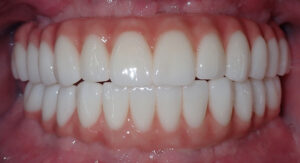
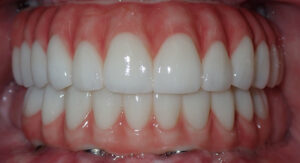
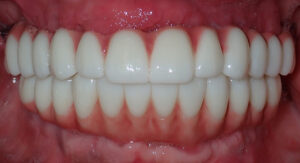
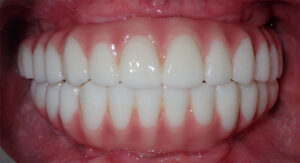
Full-mouth immediate/hybrid (e.g., TeethNow-style solutions) | Patients needing extensive rehabilitation and willing to pursue advanced prosthetics | Pros: rapid restoration of function; Cons: requires careful planning, may need grafting | Months, depending on preparatory work |
Summary paragraph: These alternatives let patients regain function immediately or in stages while addressing the barriers to implant therapy. A common approach is to use a removable or fixed provisional while completing grafting and periodontal care, then transition to implants once biologic and behavioral criteria are met. At Dentistry by Dr. Kaplansky, we consider advanced options — from single-tooth implants to full-mouth rehabilitation including TeethNow-style and zygomatic solutions — as part of a personalized treatment plan. Patients are encouraged to discuss timelines, financing, and individualized pathways during a complimentary consultation.
What Dental Alternatives Exist for Patients Unsuitable for Implants?
When implants are contraindicated or deferred, fixed bridges, removable partial dentures, and full dentures are reliable alternatives tailored to the number and location of missing teeth and the patient’s esthetic and budgetary needs. Fixed bridges offer excellent comfort and function when adjacent teeth are strong enough to serve as abutments, while removable prostheses are less invasive and more cost-effective but require adaptation and ongoing maintenance. Hybrid or immediate full-arch solutions can deliver faster esthetic improvements for suitable candidates but demand careful planning and sometimes grafting. Each choice involves trade-offs in longevity, maintenance, and bone preservation; discussing these with a clinician clarifies which approach best meets short- and long-term goals.
How Can Patients Improve Their Candidacy for Future Implants?
Patients can take concrete, time-bound steps to restore candidacy: complete periodontal therapy to eliminate active infection, stop smoking to improve blood flow and immune response, and optimize medical conditions like diabetes and cardiovascular disease. For local anatomic deficits, bone grafting and sinus lifts rebuild ridge volume over predictable healing intervals (usually measured in months) before implants can be placed. Prosthetic planning and habit management — for example, treating bruxism with an occlusal guard — protect future restorations, and regular maintenance visits preserve peri-implant health. A coordinated, staged plan developed with dental and medical providers often converts temporary ineligibility into a durable implant outcome.
- Control systemic conditions: Achieve stable disease metrics (e.g., diabetes control) through medical coordination.
- Complete periodontal therapy: Resolve active gum disease before surgical intervention.
- Address bone deficiencies: Undergo grafting or consider alternative implant strategies as recommended.
These steps require interdisciplinary coordination, realistic timelines, and patient commitment, but they provide a practical roadmap from being unsuitable to becoming a reliable implant candidate.
This article has reviewed the major anatomic, medical, lifestyle, developmental, and prosthetic factors that determine who is not a candidate for dental implants — and what can be done about it. For an individualized assessment or to explore advanced options such as zirconia implants, zygomatic approaches for severe bone loss, or full-mouth restoration pathways, request a complimentary consultation with Dr. Igor Kaplansky to review personalized planning and financing options.
Frequently Asked Questions
What are the signs that I may not be a candidate for dental implants?
Common signs include persistent gum disease, significant jawbone loss, uncontrolled systemic conditions such as diabetes, or a history of radiation to the head and neck. Lifestyle factors like smoking or severe bruxism can also complicate outcomes. If any of these apply, schedule an evaluation so a clinician can recommend next steps or alternatives.
How long does the dental implant process typically take?
Timing varies by case. After the initial consultation and any preparatory procedures (for example, grafting), implants are placed and usually need about 3 to 6 months to osseointegrate. Final restorations are fitted after healing, so the full process commonly spans several months and, in complex cases, may take a year or more.
Can I still get dental implants if I have had previous dental work?
Previous dental treatments don’t automatically rule you out. The type and extent of past work — extractions, root canals, crowns, or previous restorations — influence planning. A thorough evaluation will assess bone and gum health and identify the best approach based on your dental history.
What role does age play in dental implant candidacy?
Age itself isn’t a strict barrier. Young patients should wait until jaw growth is complete, while older adults are evaluated for systemic health, bone quality, and ability to maintain hygiene. Many seniors have successful implants when medically and dentally optimized.
What are the risks of dental implants for patients with autoimmune diseases?
Autoimmune conditions and their treatments can affect healing and infection risk. Patients with conditions like rheumatoid arthritis or lupus should coordinate care with their medical team. With disease control and appropriate perioperative planning, many patients still achieve successful implant outcomes.
How can I prepare for a dental implant consultation?
Bring a complete medical history, a list of medications, and any recent imaging if available. Prepare questions and be ready to discuss lifestyle factors such as smoking or clenching. Good oral hygiene before the visit gives the clinician a clearer picture of your baseline health.
What should I expect during the recovery period after dental implant surgery?
Expect some swelling, bruising, and discomfort that can usually be managed with prescribed pain relief. Follow post-operative instructions on diet and oral care, and attend scheduled follow-ups to monitor healing. Most patients resume normal activities within a few days, but full healing and integration take several months.