Dental implants are a revolutionary solution for individuals who have lost teeth, offering not just aesthetic benefits but also significant health advantages. One of the most critical benefits of dental implants is their ability to prevent bone loss in the jaw. When a tooth is lost, the underlying bone begins to deteriorate due to a lack of stimulation, leading to further dental issues and changes in facial structure. This article will explore the mechanisms behind jawbone deterioration, the role of dental implants in preserving bone density, and the advanced technologies that enhance implant success. By understanding these concepts, readers can appreciate the long-term benefits of dental implants for oral health and overall well-being.
What Causes Jawbone Deterioration After Tooth Loss?
Jawbone deterioration occurs primarily due to the absence of stimulation that natural tooth roots provide. When a tooth is lost, the jawbone no longer receives the necessary pressure and stimulation during chewing, leading to a gradual process known as bone resorption. This process can significantly impact future dental procedures, as the loss of bone density may complicate the placement of implants or dentures. Understanding the causes of jawbone deterioration is essential for recognizing the importance of timely dental interventions.
How Does Tooth Loss Affect Bone Density and Jawbone Health?
Tooth loss has a profound effect on bone density and overall jaw health. The bone resorption process begins almost immediately after a tooth is extracted, leading to a decrease in bone volume and density. This loss can alter facial structure, resulting in a sunken appearance and affecting the alignment of remaining teeth. Dental implants play a crucial role in mitigating these effects by providing the necessary stimulation to maintain bone density and support jaw health.
What Biological Processes Lead to Bone Resorption?
Bone resorption is a biological process primarily driven by the activity of two types of cells: osteoclasts and osteoblasts. Osteoclasts break down bone tissue, while osteoblasts are responsible for bone formation. When a tooth is lost, the lack of stimulation from the tooth root leads to increased osteoclast activity and decreased osteoblast function, resulting in a net loss of bone mass. This imbalance can have significant consequences for dental health, making it essential to address tooth loss promptly.
How Do Dental Implants Support Bone Preservation and Osseointegration?
Dental implants support bone preservation through a process known as osseointegration, where the implant fuses with the jawbone. This mimics the function of natural tooth roots, providing the necessary stimulation to maintain bone density. The long-term benefits of dental implants for jaw health include reduced bone loss, improved stability for adjacent teeth, and enhanced overall oral function.
Dentistry by Dr Kaplansky, PLLC specializes in advanced implantology, offering patients in the Buffalo/Niagara region state-of-the-art solutions for tooth replacement. Their expertise ensures that patients receive the highest quality care, maximizing the benefits of dental implants.
What Is Osseointegration and Why Is It Critical for Bone Health?
Osseointegration is the process by which dental implants become securely anchored in the jawbone. This process is critical for bone health because it allows the implant to provide the same stimulation as a natural tooth root, preventing bone resorption. Successful osseointegration is essential for the longevity and stability of dental implants, making it a key factor in their effectiveness as a tooth replacement option.
How Do Implants Stimulate Jawbone Maintenance Compared to Dentures?
Dental implants offer superior stimulation for jawbone maintenance compared to traditional dentures. While dentures rest on the gums and do not provide the necessary pressure to stimulate the jawbone, implants integrate with the bone, promoting healthy bone density. This difference is crucial for long-term oral health, as it helps prevent the bone loss associated with denture use.
What Advanced Technologies Enhance Implant Placement and Bone Preservation?
Advancements in dental technology have significantly improved the placement of implants and the preservation of bone. Techniques such as 3D imaging and computer-guided surgery allow for precise implant placement, reducing the risk of complications and enhancing outcomes. These technologies ensure that implants are positioned optimally, maximizing their effectiveness in maintaining jawbone health.
How Does AI and Digital Imaging Improve Implant Accuracy and Outcomes?
AI and digital imaging play a pivotal role in enhancing the accuracy of dental implant procedures. By utilizing advanced imaging techniques, dental professionals can create detailed maps of a patient’s oral anatomy, allowing for more precise implant placement. This precision reduces the likelihood of surgical complications and improves patient satisfaction, leading to better overall outcomes.
What Are Bone Graft Alternatives in Implant-Supported Treatments?
Bone grafting has traditionally been used to augment bone volume before implant placement. However, alternatives such as zygomatic implants offer a viable solution for patients with insufficient bone density. These implants are anchored in the zygomatic bone, providing stability without the need for grafting procedures. This approach not only simplifies the treatment process but also enhances patient comfort and recovery.
Research consistently highlights the effectiveness of zygomatic implants in addressing severe maxillary bone loss.
Zygomatic Implants for Severe Maxillary Atrophy Rehabilitation
oral rehabilitation with zygomatic implants in severe maxillary atrophies. The intervention under consideration was zygomatic implant placement for immediate maxillary rehabilitation.
Success rates of zygomatic implants for the rehabilitation of severely atrophic maxilla: a systematic review, D Pastorino, 2022
What Are the Clinical Benefits and Patient Outcomes of Implant Supported Dentures?
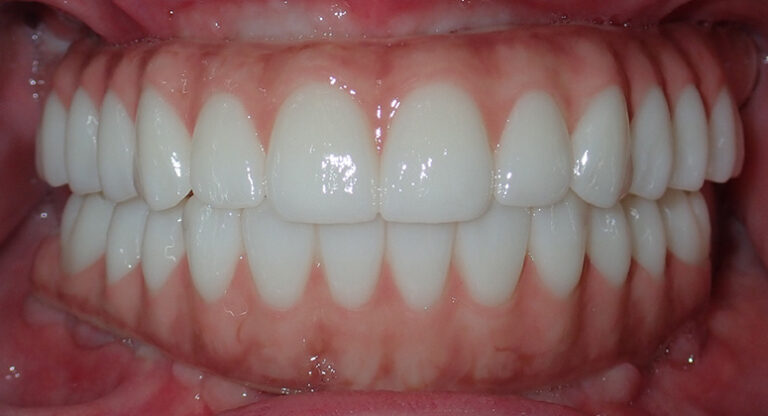
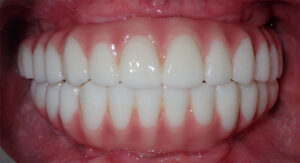
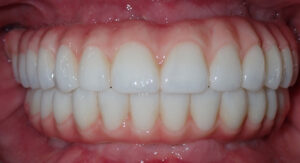
Implant-supported dentures provide numerous clinical benefits, including improved chewing efficiency and enhanced stability. Patients often report greater satisfaction with their ability to eat and speak, as these dentures closely mimic the function of natural teeth. The aesthetic benefits are also significant, as implant-supported dentures can restore a natural appearance, boosting confidence and quality of life.
How Do Implant Supported Dentures Contribute to Long-Term Jawbone Health?
Implant-supported dentures contribute to long-term jawbone health by preventing bone loss through the stimulation they provide. Unlike traditional dentures, which can exacerbate bone resorption, implant-supported options maintain the integrity of the jawbone, ensuring that patients retain their facial structure and oral function over time. This long-term benefit underscores the importance of choosing implants for tooth replacement.
What Success Rates and Case Studies Support Implant Use for Bone Preservation?
The success rates of dental implants are notably high, with studies indicating that they can exceed 95% in well-selected patients. Case studies demonstrate the effectiveness of implants in preserving bone density and improving overall oral health. These positive outcomes highlight the importance of dental implants as a reliable solution for individuals facing tooth loss, reinforcing their role in modern dentistry.
Different types of dental implants offer unique benefits for bone preservation and oral health.
Implant Type | Description | Benefits |
Endosteal Implants | Placed directly in the jawbone | High success rate, mimics natural tooth roots |
Subperiosteal Implants | Positioned under the gum but above the jawbone | Suitable for patients with minimal bone height |
Zygomatic Implants | Anchored in the zygomatic bone | Avoids the need for bone grafting, ideal for severe bone loss |
This comparison illustrates how various implant types can cater to different patient needs, ensuring effective solutions for maintaining jawbone health.
Further studies reinforce the critical role of zygomatic implants as a viable option for patients with significant bone deficiencies.
Zygomatic Implants: Solutions for Severe Maxillary Bone Loss
Purpose: Zygomatic implants are considered one of the last options for the rehabilitation of severe maxillary atrophy when standard implants are not feasible. This retrospective study aimed to evaluate the clinical outcomes of zygomatic implant placement.
Zygomatic implants in the rehabilitation of severe maxillary atrophy: A retrospective study of 274 zygomatic implants with a mean follow-up period of 7.5 years., P Felice, 2024
Dental implants provide a comprehensive solution for preventing bone loss and enhancing oral health. Their ability to stimulate the jawbone, combined with advanced technologies and techniques, makes them a superior choice for tooth replacement. By understanding the mechanisms behind bone preservation and the benefits of implants, patients can make informed decisions about their dental health.
If you’re considering options for replacing missing teeth, it’s important to explore all available solutions. For example, understanding “what are fake teeth called” can help you make an informed decision about your dental health.