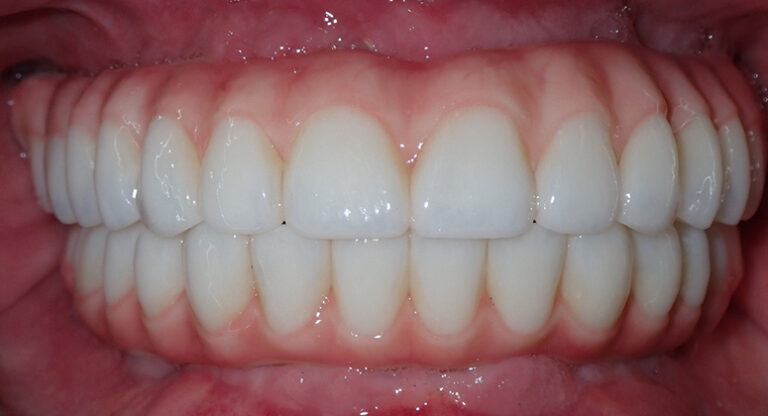
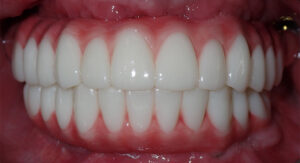
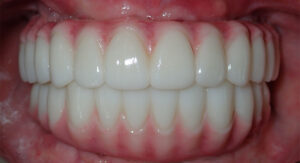
Dental implants have emerged as a popular solution for individuals facing tooth loss, offering a blend of functionality and aesthetics. This article delves into the various aspects of dental implants, including their costs, benefits, and the procedures involved. Readers will gain insights into whether investing in dental implants is a worthwhile decision for their oral health and overall quality of life. Many people struggle with the decision to replace missing teeth, often weighing the financial implications against the potential benefits. This guide will explore the costs associated with dental implants, the advantages they provide, and the detailed procedures involved in their placement.
Costs of Dental Implants:
Understanding the financial aspects of dental implants is crucial for potential patients. The costs can vary significantly based on several factors, including the type of implant and any additional procedures required.
Further research highlights the complex interplay of financial considerations and patient decision-making when choosing dental implant treatments.
Dental Implant Cost-Utility: Patient Decision & Financial Factors
When dealing with the replacement of one missing tooth, the patient has the option of choosing between different types of treatment interventions. Several important factors play a role in his decision-making process, including his limited financial means and his efforts to solve the problem of missing teeth as effectively as possible. The main goal of the study is the economic-clinical evaluation of implant treatment, as a surgical-prosthetic method in dentistry, in case of replacement of one missing tooth of the molar area.
Cost-utility analysis of an implant treatment in dentistry, 2021
- Single Dental Implant: Typically costs between $3,000 and $4,500.
- Multiple Implants: Can range from $6,000 to $15,000.
- Full-Mouth Reconstruction: Costs between $23,000 and $45,000.
- Bone Grafting: Additional costs range from $300 to $3,000.
- Sinus Lifts: May cost between $1,500 to $6,000.
For those considering dental implants, financing options are available to help manage these costs effectively. Dentistry by Dr Kaplansky, PLLC offers various financing plans to assist patients in making this investment in their oral health.
Benefits of Dental Implants:
Dental implants provide numerous advantages that make them a compelling choice for tooth replacement.
The growing body of evidence consistently points to the significant efficacy and effectiveness of dental implants, underscoring their value in oral health.
Dental Implant Cost-Benefit: Efficacy, Effectiveness & Oral Health Value
The growing evidence of the efficacy and effectiveness of dental implants calls for economic evaluations to determine the economic efficiency of this technology for different indications. Such studies must be integrated with the clinical evaluations in order to produce the relevant data. In most cases, dental implants will produce a better outcome than the best alternative technology, but this improvement will only come at greater cost. Cost–benefit evaluations of dental implants must therefore address the difficult task of assessing the value of the improvement in oral health.
Cost–Benefit Evaluation of Dental Implants, 1990
- Permanent Solution: Implants offer a long-lasting solution to tooth loss, often lasting a lifetime with proper care.
- Jawbone Preservation: They help preserve jawbone density, preventing the bone loss that typically occurs after tooth loss.
- Improved Quality of Life: Dental implants restore chewing ability and enhance overall quality of life, allowing individuals to enjoy their favorite foods without discomfort.
Investing in dental implants not only addresses the functional aspects of missing teeth but also significantly improves self-esteem and confidence. Dentistry by Dr Kaplansky, PLLC specializes in advanced dental implant procedures, ensuring patients receive the highest quality care.
What Are the Key Benefits of Dental Implants?
Dental implants offer several key benefits that make them a preferred choice for many individuals:
- Enhanced Aesthetics: They look and feel like natural teeth, providing a seamless smile.
- Functional Restoration: Implants restore full chewing function, allowing for a varied diet.
- Long-Term Cost-Effectiveness: While the initial investment is higher, implants can save money in the long run by reducing the need for future dental work.
How Do Dental Implants Improve Oral Function and Appearance?
Dental implants significantly enhance oral function and appearance by providing a stable foundation for replacement teeth. This stability allows for improved chewing efficiency and speech clarity, which can be compromised with other tooth replacement options. Additionally, the natural look of implants boosts confidence, making them an attractive option for those seeking to restore their smile.
Procedure Details:
The dental implant procedure involves several critical steps to ensure successful placement and integration with the jawbone.
- Initial Assessment: A thorough evaluation of oral health and jawbone density is conducted to determine suitability for implants.
- Surgical Insertion: A titanium post is surgically placed into the jawbone, serving as the root for the new tooth.
- Healing Period: This phase, known as osseointegration, allows the implant to fuse with the bone, providing a strong foundation.
- Final Restoration: After healing, a custom-made crown is attached to the implant, completing the restoration process.
What Are the Step-by-Step Stages of the Implant Process?
The dental implant process can be broken down into several stages:
- Consultation and Planning: Initial consultations to assess needs and create a treatment plan.
- Implant Placement: Surgical placement of the implant post into the jawbone.
- Healing and Integration: A healing period of several months for the implant to integrate with the bone.
- Crown Placement: Final attachment of the crown to the implant, restoring function and aesthetics.
What Materials Are Used in Dental Implants and Why?
Dental implants are primarily made from biocompatible materials, such as titanium, which is known for its strength and ability to integrate with bone. The use of titanium ensures that the implant is durable and resistant to corrosion, making it an ideal choice for long-term use in the oral environment.
Investment Worth:
When considering dental implants, it’s essential to evaluate their long-term value compared to other tooth replacement options.
- Initial Cost vs. Long-Term Benefits: Although the upfront cost is higher than dentures or bridges, implants often prove more cost-effective over time due to their durability and low maintenance needs.
- Durability and Lifespan: Dental implants can last a lifetime with proper care, while other options may require replacement or repair.
- Cost-Effectiveness Compared to Dentures: Implants eliminate the need for adhesives and frequent replacements, making them a more economical choice in the long run.
Investing in dental implants is not just about immediate costs; it’s about securing a healthier future and enhancing quality of life.
What Are the Costs and Financing Options for Dental Implants in Buffalo?
In Buffalo, the costs of dental implants can vary widely based on individual needs and treatment plans. Financing options are available to help patients manage these expenses effectively. Dentistry by Dr Kaplansky, PLLC provides tailored financing solutions to ensure that patients can access the care they need without financial strain.
How Much Do Dental Implants Typically Cost in the Buffalo and Niagara Region?
The typical costs for dental implants in the Buffalo and Niagara region align with national averages, ranging from $3,000 to $4,500 for a single implant. Patients should consult with their dental provider to receive a personalized estimate based on their specific circumstances.
What Financing Plans Are Available for Dental Implant Patients?
Dentistry by Dr Kaplansky, PLLC offers various financing plans to accommodate different budgets. These plans can help spread the cost of dental implants over time, making it easier for patients to invest in their oral health.
What Should Patients Expect During Dental Implant Recovery?
Recovery from dental implant surgery is a crucial phase that requires proper care and attention. Patients can expect some swelling and discomfort, which can be managed with prescribed medications.
- Typical Recovery Timeline: Most patients can return to normal activities within a few days, but complete healing may take several months.
- Safe and Effective Healing: Following post-operative care instructions is essential for ensuring a smooth recovery and successful integration of the implant.
How Can Patients Ensure Safe and Effective Healing?
To promote safe and effective healing after dental implant surgery, patients should:
- Follow Post-Operative Instructions: Adhere to the care guidelines provided by the dental team.
- Maintain Oral Hygiene: Keep the surgical area clean to prevent infection.
- Attend Follow-Up Appointments: Regular check-ups are vital for monitoring healing progress.
By understanding the investment involved in dental implants, their benefits, and the procedures, individuals can make informed decisions about their oral health. Dentistry by Dr Kaplansky, PLLC is dedicated to providing comprehensive care and support throughout the dental implant journey.