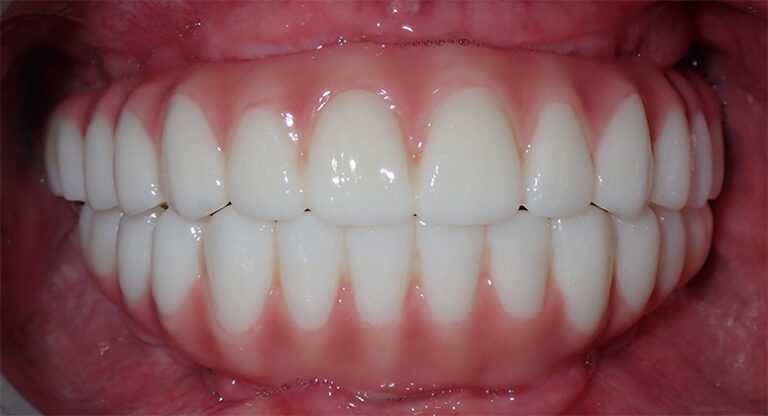
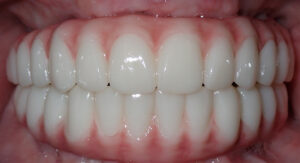
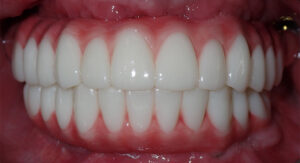
Replacing all teeth with dental implants is a transformative solution for individuals facing significant tooth loss. Full mouth dental implants offer a permanent and functional alternative to traditional dentures, providing enhanced comfort and improved oral health. This article will explore the concept of full mouth dental implants, their types, the procedure involved, and the associated costs. Many people struggle with the challenges of missing teeth, which can affect their confidence and ability to eat. Fortunately, dental implants can restore both function and aesthetics, allowing individuals to enjoy life without the limitations of tooth loss. We will delve into the benefits of full mouth dental implants, the steps involved in the procedure, and what patients can expect during recovery.
What Are Full Mouth Dental Implants and How Do They Work?
Full mouth dental implants are a comprehensive solution designed to replace an entire arch of missing teeth using titanium posts surgically placed into the jawbone. These implants serve as stable anchors for fixed prostheses, providing a secure and functional replacement for natural teeth. The primary benefit of full mouth dental implants is their ability to restore chewing function and improve oral health by preventing bone loss in the jaw. Unlike traditional dentures, which can slip and cause discomfort, dental implants offer a permanent solution that mimics the look and feel of natural teeth.
Dentistry by Dr Kaplansky, PLLC specializes in advanced dental care services, including full mouth dental implant solutions. Their expertise in this area positions them as a trusted provider in the Buffalo/Niagara region, ensuring patients receive high-quality care tailored to their needs.
Definition and Types of Full Arch Dental Implants
Full arch dental implants can be categorized into several types, each designed to meet specific patient needs. The most common types include:
- All-on-4 Implants: This technique uses four strategically placed implants to support a full arch of teeth, providing a stable and efficient solution for those with significant tooth loss.
- All-on-6 Implants: Similar to All-on-4, this method utilizes six implants for added stability, making it suitable for patients with more extensive bone loss.
- Implant-Supported Dentures: These dentures are anchored by implants, offering improved stability compared to traditional removable dentures.
Each type of implant has its unique benefits and indications, allowing dental professionals to customize treatment plans based on individual patient needs.
Research has further explored the comparative value of different implant configurations, such as those using four versus six implants.
Cost-Effectiveness of 4 vs 6 Maxillary Implant Overdentures
The purpose of the present study was to assess the value for money achieved by bar-retained implant overdentures based on six implants compared with four implants as treatment alternatives for the edentulous maxilla.
An economic evaluation of maxillary implant overdentures based on six vs. four implants, S Listl, 2014
How All-on-4 Implants Provide Complete Tooth Replacement
All-on-4 implants offer a permanent solution for individuals seeking to replace an entire arch of teeth. This innovative technique involves placing four implants in the jawbone, which support a full set of prosthetic teeth. The primary advantage of All-on-4 implants is their ability to provide immediate function, allowing patients to leave the dental office with a new set of teeth on the same day as the procedure. Additionally, this method preserves bone structure by stimulating the jawbone, reducing the risk of bone loss that often accompanies tooth loss.
What Are the Steps Involved in the Dental Implant Procedure?
The dental implant procedure involves several key steps to ensure successful placement and integration of the implants. These steps include:
- Initial Consultation and Patient Eligibility Assessment: During this phase, the dentist evaluates the patient’s oral health, discusses treatment options, and determines eligibility for implants.
- Surgical Placement: The implants are surgically placed into the jawbone, where they will fuse with the bone over time in a process called osseointegration.
- Healing and Restoration: After the implants have integrated with the bone, a custom prosthesis is created and attached to the implants, completing the restoration.
Each step is crucial for ensuring the long-term success of the dental implants.
Initial Consultation and Patient Eligibility Assessment
The initial consultation is a vital step in the dental implant process. During this appointment, the dentist will conduct a thorough examination, including imaging studies, to assess the patient’s jawbone density and overall oral health. This assessment helps determine if the patient is a suitable candidate for dental implants. Factors such as gum health, medical history, and lifestyle habits will also be considered to ensure the best possible outcome.
Surgical Placement and Recovery Timeline
The surgical placement of dental implants typically takes place under local anesthesia or sedation, depending on the patient’s comfort level. The procedure involves making small incisions in the gums to access the jawbone, where the implants are inserted. After surgery, patients can expect a recovery period of several days to weeks, during which they may experience swelling and discomfort. Most individuals can return to normal activities within a week, but full healing and integration of the implants may take several months.
What Is the Cost of Full Mouth Dental Implants and Available Financing Options?
The cost of full mouth dental implants can vary significantly based on several factors, including the type of implants used, the complexity of the case, and the geographic location of the dental practice. On average, patients can expect to pay between $20,000 and $40,000 for a complete set of full mouth dental implants.
Factors Influencing Full Mouth Dental Implant Cost
Several factors can influence the overall cost of dental implants, including:
- Number of Implants: The more implants required, the higher the cost.
- Materials Used: High-quality materials may increase the price but can enhance durability and aesthetics.
- Geographic Location: Costs can vary based on the region and the dental practice’s reputation.
Financing Plans and Insurance Coverage for Implants
Many dental practices, including Dentistry by Dr Kaplansky, PLLC, offer financing options to help patients manage the cost of dental implants. These plans may include monthly payment arrangements or partnerships with third-party financing companies. Additionally, some insurance plans may cover a portion of the costs associated with dental implants, making it essential for patients to check with their insurance provider for coverage details.
What Should Patients Expect During Dental Implant Recovery?
Recovery from dental implant surgery is a critical phase that requires proper care and attention. Patients can expect some swelling and discomfort in the days following the procedure, which can be managed with prescribed pain medication and ice packs.
Typical Recovery Time and Post-Operative Care
The typical recovery time for dental implant surgery ranges from a few days to several weeks, depending on the individual’s healing process. During this time, patients should follow their dentist’s post-operative care instructions, which may include:
- Avoiding hard or chewy foods: Stick to soft foods to prevent irritation at the surgical site.
- Maintaining oral hygiene: Gently brushing and rinsing with saltwater can help keep the area clean.
- Attending follow-up appointments: Regular check-ups are essential to monitor healing and ensure the implants are integrating properly.
Managing Risks and Ensuring Long-Term Implant Success
While dental implants are generally safe and effective, there are potential risks associated with the procedure. Patients should be aware of these risks and take proactive steps to ensure the long-term success of their implants.
- Oral Hygiene: Maintaining excellent oral hygiene is crucial for preventing infections and ensuring the longevity of the implants.
- Regular Check-Ups: Routine dental visits allow for early detection of any issues that may arise with the implants.
- Lifestyle Factors: Avoiding tobacco use and managing underlying health conditions can significantly impact the success of dental implants.
By understanding the risks and following best practices for care, patients can enjoy the benefits of their dental implants for many years to come.