Determining the number of dental implants you need can be a complex decision influenced by various factors. Dental implants serve as a durable solution for tooth loss, providing both functional and aesthetic benefits. This article will explore the key considerations that affect how many dental implants you may require, including the condition of your oral health, the number of missing teeth, and the types of implants available. Understanding these factors can help you make informed decisions about your dental care and the potential for full mouth reconstruction. We will also discuss the costs associated with dental implants and financing options available to help manage expenses.
What Factors Determine the Number of Dental Implants Required?
Several factors influence the number of dental implants needed for effective tooth replacement. The primary considerations include the number of teeth that need replacement, the condition of adjacent teeth, and the overall health of the jawbone. Each of these elements plays a crucial role in determining the appropriate treatment plan.
- Number of Teeth to Replace: The most straightforward factor is the number of missing teeth. If you have lost a single tooth, a single dental implant may suffice. However, multiple missing teeth may require several implants or alternative solutions like bridges.
- Condition of Adjacent Teeth: The health of nearby teeth can also impact the decision. If adjacent teeth are compromised, additional implants may be necessary to support a bridge or to ensure stability.
- Bone Density and Health: Sufficient bone density is essential for successful implant placement. If the jawbone is weak or has deteriorated, bone grafting may be required, which can affect the number of implants that can be placed.
How Does Bone Density Affect Implant Quantity?
Bone density is a critical factor in determining how many dental implants can be successfully placed. Adequate jawbone density provides the necessary support for implants, ensuring they remain stable and functional over time. If a patient has experienced bone loss, it may be necessary to consider bone grafting procedures to enhance the jawbone’s structure.
- Importance of Sufficient Jawbone Density: A strong jawbone is essential for the stability of dental implants. Insufficient bone density can lead to implant failure.
- Potential Need for Bone Grafting: In cases of significant bone loss, bone grafting may be required to create a solid foundation for implants.
- Relationship Between Bone Density and Implant Stability: Higher bone density typically correlates with better implant stability, reducing the risk of complications.
Research further emphasizes the importance of varying bone density across different regions of the jaw for successful implant placement.
Alveolar Bone Density for Dental Implant Placement
The highest bone density at the edentulous sites was at the mandibular anterior region (776.5 ± 65.7 HU), followed by the mandibular posterior region (502.2 ± 224.2 HU). Regarding the dentate sites, the highest bone density was at the buccal cortical plate of the lower
Alveolar bone density and its clinical implication in the placement of dental implants and orthodontic mini-implants, NN Almasoud, 2016
Why Is the Number of Missing Teeth Important?
The number of missing teeth significantly impacts both oral health and quality of life. Missing teeth can lead to various complications, including shifting of adjacent teeth, difficulty in chewing, and changes in facial structure.
- Complications from Tooth Loss: Missing teeth can cause adjacent teeth to shift, leading to misalignment and further dental issues.
- Importance of Addressing Missing Teeth: Replacing missing teeth is crucial for maintaining oral health and preventing additional complications.
- Impact on Overall Quality of Life: The absence of teeth can affect self-esteem and the ability to eat comfortably, highlighting the importance of timely dental intervention.
What Are the Different Types of Dental Implants Available?
Dental implants come in various types, each designed to meet specific needs. Understanding the different options can help patients make informed decisions about their dental care.
- Single Dental Implants: Ideal for replacing one missing tooth, single implants consist of an implant post, abutment, and crown.
- Multiple Dental Implants: These are used when several teeth are missing, allowing for the placement of bridges or dentures.
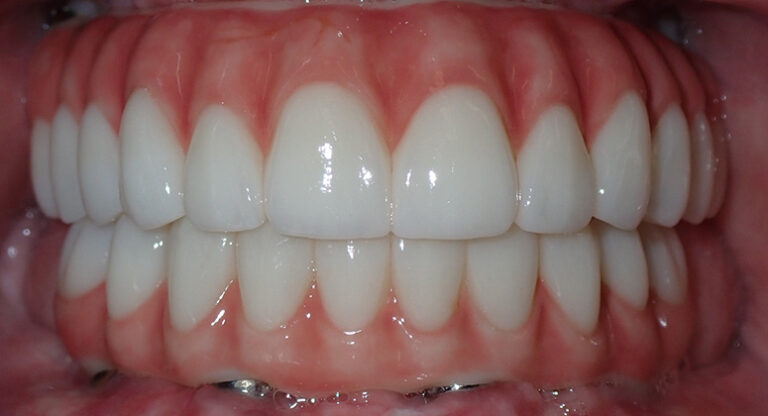
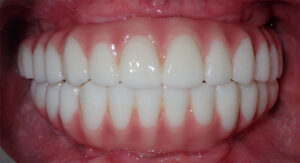
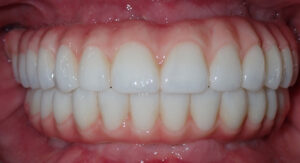
- All-on-4 and Mini Implants: All-on-4 implants provide a full arch of teeth supported by just four implants, while mini implants are suitable for patients with limited bone density.
What Are Single and Multiple Dental Implants?
Single and multiple dental implants serve different purposes based on the number of teeth that need replacement.
- Single Implants Replace One Tooth: A single dental implant is a standalone solution for one missing tooth, providing a natural look and function.
- Multiple Implants Can Support Bridges: When multiple teeth are missing, several implants can support a bridge, restoring function and aesthetics.
- Preservation of Adjacent Teeth: Using implants helps preserve the health of adjacent teeth, preventing the need for additional dental work.
How Do All-on-4 and Mini Implants Work for Full Mouth Reconstruction?
All-on-4 and mini implants are innovative solutions for patients requiring full mouth reconstruction.
- All-on-4 Process and Benefits: This technique involves placing four implants in strategic locations to support a full arch of teeth, offering a quicker and less invasive solution.
- Mini Implants for Limited Bone: Mini implants are smaller in diameter and can be placed in areas with less bone density, making them a versatile option for many patients.
- Immediate Loading of Prosthesis: Both techniques allow for immediate loading, meaning patients can receive their new teeth on the same day as the implant placement.
Studies highlight how the All-on-4 concept strategically utilizes existing bone, minimizing the need for additional, costly procedures.
All-on-4 Dental Implants: Maximizing Bone & Reducing Costs
The “all-on-four” treatment concept was developed to maximize the use of available remnant bone in atrophic jaws, allowing immediate function and avoiding regenerative procedures that increase the treatment costs and patient morbidity, as well as the complications inherent to these procedures. The protocol uses four implants in the anterior part of complete edentulous jaws to support a provisional, fixed, and immediately loaded prosthesis.
Immediate Loading in All-on-Four, M Peñarrocha-Diago, 2019
Further research supports the efficacy of full-arch restorations, including innovative approaches like the 3-implant option, for edentulous patients.
All-on-4 & 3-Implant Full Arch Restoration
Mandibular full-arch restoration is a good and successful treatment option for totally edentulous patients. In the past years, several studies have described the placement of 4 to 6 implants to restore this type of case; however, an option using 3 dental implants placed in strategic and specific positions could also be an alternative. The restoration presented no biological or technical complications during this follow-up period, showing that an adequate treatment plan was able to allow good results using this treatment option.
Immediate loading of four (all-on-4) post-extractive implants supporting mandibular cross-arch fixed prostheses: 18-month follow-up from a multicentre …, 2012
What Are the Steps Involved in the Dental Implant Procedure?
The dental implant procedure involves several key steps to ensure successful placement and integration.
- Consultation and Assessment: A thorough examination and imaging studies are conducted to assess the patient’s oral health and bone structure.
- Surgical Implant Placement: The implant is surgically placed into the jawbone, where it will eventually fuse with the bone in a process called osseointegration.
- Temporary and Permanent Restoration: After healing, a permanent crown or bridge is attached to the implant, completing the restoration.
What Should Patients Expect During Implant Placement?
Patients can expect a comprehensive process during implant placement, designed to ensure comfort and success.
- Comprehensive Consultation: A detailed consultation will outline the procedure, risks, and benefits.
- Sedation for Comfort: Various sedation options are available to ensure patients remain comfortable during the procedure.
- Post-operative Care: After placement, patients will receive instructions for care and follow-up appointments to monitor healing.
How Long Is the Typical Recovery Time After Implant Surgery?
Recovery time after dental implant surgery varies based on individual circumstances but generally follows a predictable timeline.
- Initial Soft Tissue Healing: The first phase of recovery involves soft tissue healing, which typically takes about 1-2 weeks.
- Osseointegration Period: The implant will fuse with the bone over a period of 3-6 months, during which time the patient may receive a temporary restoration.
- Full Recovery Timeline: Overall, patients can expect a full recovery and integration period of 6-12 months before receiving their permanent restoration.
How Much Does Each Dental Implant Cost and What Financing Options Are Available?
The cost of dental implants can vary significantly based on several factors, including the type of implant and the complexity of the procedure.
- Cost Range for Implants: The typical investment for a single dental implant ranges from $3,000 to $4,500.
- Financing Options Available: Many dental practices offer financing plans to help manage the costs, making implants more accessible.
- Use of HSAs and FSAs: Patients can often use Health Savings Accounts (HSAs) or Flexible Spending Accounts (FSAs) to cover some of the costs associated with dental implants.
Service | Cost | Financing Options |
Single Dental Implant | $3,000 – $4,500 | Monthly payment plans, CareCredit |
All-on-4 Implants | $20,000 – $30,000 | In-house financing, HSAs |
Mini Implants | $500 – $2,000 each | Flexible payment options |
This table illustrates the various services available, their costs, and financing options to help patients manage expenses effectively.
What Is the Average Cost Per Tooth for Dental Implants?
Understanding the average cost per tooth for dental implants is essential for budgeting and planning.
- Cost Includes Implant Post, Abutment, and Crown: The total cost typically encompasses the implant post, abutment, and crown, which are necessary for a complete restoration.
- Importance of Understanding Total Costs: Patients should be aware of all associated costs to avoid unexpected expenses.
- Variability Based on Individual Cases: Costs can vary based on individual circumstances, including the need for additional procedures like bone grafting.
What Financing Plans Can Help Manage Implant Expenses?
Several financing plans can assist patients in managing the costs associated with dental implants.
- Interest-Free Payment Plans: Many dental practices offer interest-free financing options to make payments more manageable.
- Low Monthly Payments: Patients can often choose plans that allow for low monthly payments, making dental care more affordable.
- CareCredit and In-House Financing: CareCredit is a popular option for financing healthcare expenses, while some practices offer their own financing solutions.
These financing options can significantly ease the financial burden of dental implants, allowing patients to prioritize their oral health without excessive strain on their budgets. For more information on options for tooth replacement, you might want to explore “fake teeth”.