Dental implants have changed how we replace missing teeth — especially when several are gone. This guide explains what implants can do, the options available, the typical treatment steps at Dentistry by Dr. Kaplansky, who is a good candidate, and what to expect for costs. Many people struggle with loose dentures or bridges that limit eating and erode confidence. Implants offer a long-term solution that restores chewing, speech, and the look of your smile. Below we walk through the benefits, implant types, the treatment process at our practice, candidacy considerations, financing, and why patients choose Dr. Igor Kaplansky for complex implant care.
Why Choose Dental Implants for Multiple Missing Teeth?
For people missing several teeth, implants deliver stability and a natural appearance that removable options often cannot. Because implants are anchored in the jawbone, they feel more like your own teeth, restore normal chewing and speech, and help preserve facial structure by preventing bone loss over time.
What are the advantages of dental implants over dentures and bridges?
- Durability: Properly placed implants can last many years — often a lifetime — with routine care. Dentures typically need relining or replacement every 5–8 years.
- Aesthetic Appeal: Implants are designed to look and function like natural teeth, giving a more natural, confident smile.
- Functionality: Unlike removable dentures that can slip, implant-supported restorations stay secure so you can eat and speak with confidence.
How do dental implants preserve jawbone and improve oral health?
When teeth are lost, the underlying bone no longer receives stimulation and can shrink. Implants act like tooth roots, transmitting forces into the bone and helping maintain volume and contour. This process, called osseointegration, preserves jaw structure and supports long-term oral health while reducing risks associated with bone loss and gum disease.
What Types of Dental Implants Replace Multiple Missing Teeth?
Multiple missing teeth can be restored with several implant strategies. The right choice depends on how many teeth are missing, bone volume, and the patient’s goals for function and aesthetics.
How do implant-supported bridges work for several missing teeth?
Implant-supported bridges replace a span of adjacent missing teeth by anchoring a multi-tooth prosthesis to two or more implants. This avoids placing crowns on healthy neighboring teeth and provides far greater stability than a conventional bridge that relies on natural teeth for support.
What are full arch solutions like All-on-4 and TeethNow zirconia implants?
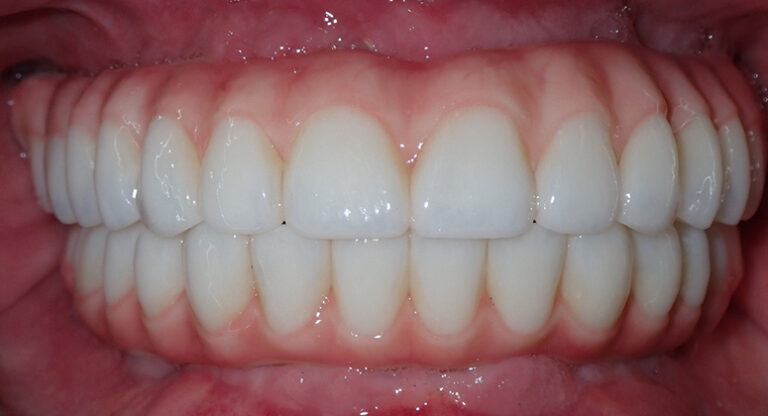
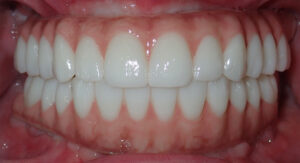
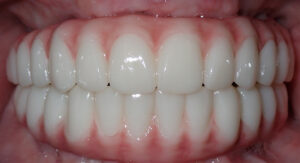
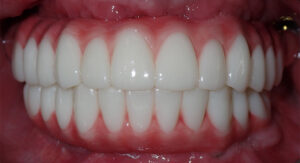
Full-arch solutions are designed for people who are missing most or all teeth in an arch. The All-on-4 approach uses four strategically positioned implants to support a fixed prosthetic arch, often allowing for immediate or early function. Zirconia-based systems, such as TeethNow, offer a metal-free, highly aesthetic full-arch option. Both approaches aim to restore chewing function, speech, and appearance with fewer implants than older protocols.
Clinical literature supports the All-on-4 method as an effective option for many full-arch rehabilitations.
All-on-4 Protocol for Full Arch Implant Prostheses
Full-arch reconstruction traditionally required five to 10 implants, but for some patients the complexity, medical risks, or cost of additional implants and grafting make those options impractical. The All-on-4 protocol offers a simpler fixed solution for many of these cases while maintaining function and aesthetics.
Full arch all-on-4 fixed implant-supported prostheses with 8.5 years of follow-up: a case report, A Rokn, 2018
When are zygomatic implants recommended for severe bone loss?
Zygomatic implants are an advanced option when the upper jaw has inadequate bone for traditional implants. Instead of relying on the maxillary ridge, these longer implants anchor into the zygomatic (cheek) bone, allowing fixed restorations without extensive grafting. For patients told they aren’t candidates for standard implants, zygomatic implants can often provide a predictable path to long-term, fixed oral rehabilitation.
In cases of extreme maxillary atrophy, zygomatic implants can be the most viable route to a fixed prosthesis.
Zygomatic Implants for Atrophic Maxilla Rehabilitation
In severely resorbed or resected maxillae, placing conventional implants is often impossible without major grafting. Zygomatic implants use the cheekbone for anchorage and, in many cases, represent the only realistic option for fixed oral rehabilitation in these patients.
The zygoma anatomy-guided approach (ZAGA) for rehabilitation of the atrophic maxilla, 2022
What is the Multiple Dental Implant Procedure at Dentistry by Dr. Kaplansky?
Our implant treatments follow a clear, staged process tailored to each patient. We combine clinical examination, advanced imaging, and careful planning to deliver predictable, comfortable results.
How does the consultation and 3D imaging guide personalized treatment?
At Dentistry by Dr. Kaplansky, treatment begins with a detailed consultation and high-resolution 3D imaging. These images let us map bone anatomy, avoid critical structures, and design ideal implant positions. That planning translates to safer surgery, better provisional restorations, and outcomes that match each patient’s functional and cosmetic goals.
Interactive 3D planning tools are now standard for precise implant placement and prosthesis design.
Interactive 3D Imaging for Dental Implant Planning
Just as implants have advanced dental rehabilitation, interactive 3D imaging has transformed planning. Programs like SimPlant and other image-based tools make it possible to plan implant placement with high precision and to design predictable prosthetic outcomes.
Interactive imaging for implant planning, placement, and prosthesis construction, 2004
What happens during implant surgery and restoration phases?
Surgery involves placing titanium or zirconia implant posts into the jawbone. After placement there is a healing phase during which the implant integrates with the bone. Once integration is secure, we move to the restorative phase: shaping and attaching custom crowns, bridges, or a full-arch prosthesis. Staging the treatment this way ensures durability and function before delivering the final restoration.
Am I a Candidate for Multiple Dental Implants?
Determining candidacy requires a clinical exam, imaging, and review of your medical history. Bone volume, overall health, and certain medications or habits affect the plan, but many patients can be treated successfully with the right approach.
Can patients with bone loss receive zygomatic implants without grafting?
Yes. For many patients with significant upper-jaw bone loss, zygomatic implants avoid the need for extensive grafting by using the cheekbone for support. This expands treatment options for those who previously had no viable path to fixed teeth.
What health factors affect candidacy for multiple tooth implants?
Factors that can influence implant success include uncontrolled systemic conditions (for example, poorly managed diabetes), medications that impair healing, heavy smoking, and certain oral infections. We evaluate each factor and, when possible, work with patients and their physicians to optimize health before proceeding.
How Much Do Multiple Tooth Dental Implants Cost and What Financing Options Are Available?
Costs vary based on the number and type of implants, the need for bone grafting or extractions, the chosen prosthetic material, and the complexity of the case. Geographic location and the clinician’s expertise also factor into price.
What influences the cost of implant-supported bridges and full arch implants?
- Material Costs: Premium implant systems and prosthetic materials increase longevity and aesthetics but affect price.
- Procedure Complexity: Cases requiring grafts, sinus lifts, or additional surgeries are more involved and thus costlier.
- Geographic Location: Local market rates and practice overhead influence final fees.
What flexible financing and interest-free plans does Dentistry by Dr. Kaplansky offer?
We recognize implants are an investment in long-term oral health. To make treatment attainable, Dentistry by Dr. Kaplansky offers flexible payment plans and interest-free financing through trusted third-party partners. These plans let patients move forward with care while spreading payments over time.
Why Choose Dr. Igor Kaplansky for Your Multiple Tooth Implants?
The right clinician matters when planning and executing multi-tooth implant restorations. Dr. Kaplansky combines advanced training with extensive hands-on experience to manage straightforward and highly complex cases.
What certifications and expertise set Dr. Kaplansky apart?
Dr. Igor Kaplansky holds advanced credentials in implant dentistry, including DDS, DABOI, FAAID, FICOI, and FAGD. He has specialized training in zygomatic implant techniques such as the ZAGA method, placing him among a small group of clinicians worldwide experienced in these advanced rehabilitations.
How do patient testimonials and before-and-after photos demonstrate success?
Patient stories and transformation photos illustrate functional and aesthetic improvements many of our patients experience. These real results help prospective patients understand likely outcomes and feel confident choosing our practice for complex implant care.
Frequently Asked Questions
What is the recovery time after dental implant surgery?
Recovery varies by case. Most patients experience mild swelling and discomfort for a few days, with a gradual return to normal activities within a week. Full osseointegration — the process where the implant bonds with bone — typically takes about 3 to 6 months, depending on the site and the patient’s healing. Regular follow-ups let us monitor progress and move to the restorative phase at the right time.
Are dental implants suitable for older adults?
Age alone is not a barrier. Many older adults are excellent candidates provided their overall health and bone condition are adequate. We evaluate medical history, medications, and bone quality and, when necessary, offer alternatives or preparatory procedures to improve the chance of success.
How do I care for my dental implants after placement?
Care for implants mirrors good natural-tooth hygiene: brush twice daily, floss or use interdental cleaners, and attend regular dental visits for professional cleanings and checks. Avoid hard or overly sticky foods during early healing, and quit smoking to support implant success. Following these habits helps implants last for many years.
What are the potential risks or complications associated with dental implants?
Implants are safe and predictable, but risks include infection at the implant site, nerve irritation, sinus complications in the upper jaw, and, rarely, implant failure. Proper planning, surgical technique, and post-operative care reduce these risks. We discuss potential complications specific to your case during the consultation.
Can dental implants be replaced if they fail?
Yes. If an implant fails, we evaluate the cause, allow the site to heal, and often can place a replacement implant. Sometimes bone grafting or other preparatory steps are needed before retreatment to give the new implant the best chance of success.
What lifestyle changes should I consider before getting dental implants?
Improving general health helps implant outcomes. Quitting smoking is one of the most important steps, as tobacco impairs healing. Maintain a balanced diet, manage chronic conditions like diabetes, and review medications with your dentist or physician. We’ll advise you on any specific steps to optimize healing for your treatment plan.