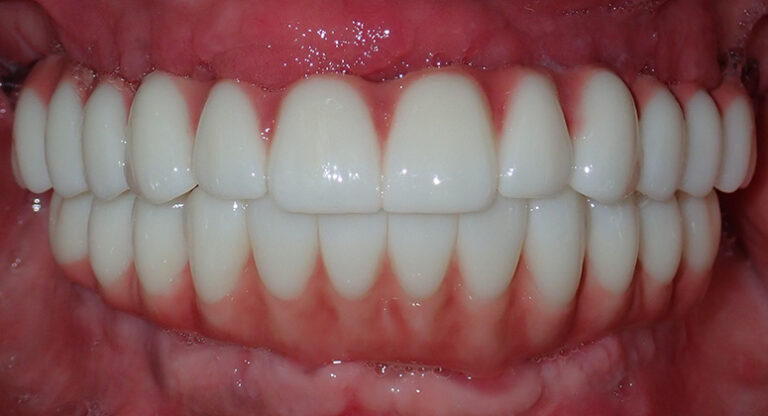
Dental implants are designed to be a long-lasting solution for missing teeth, restoring both function and confidence. But many patients wonder what happens after treatment is complete: Do implants require special care long-term?
The good news is that dental implants are easy to maintain, and with consistent oral hygiene and routine dental visits, they can last for decades. This guide explains how to care for dental implants over time, what habits protect your investment, and how to keep your implant-supported smile healthy for the long run.
We’ll cover daily hygiene, professional cleanings, lifestyle factors, and common questions about implant maintenance.
Why Is Long-Term Implant Care Important?
Dental implants are strong and stable, but they still depend on healthy gums and bone support. Long-term care helps protect against complications like inflammation or implant failure.
Implants are not vulnerable to cavities, but the surrounding tissues can still become infected without proper maintenance.
How Does Implant Maintenance Support Long-Term Success?
Daily brushing, flossing, and regular dental checkups help prevent plaque buildup around the implant. Keeping the gum tissue healthy ensures the implant remains stable over time.
A well-maintained implant can function like a natural tooth for many years, making consistent care one of the most important parts of treatment.
What Are the Benefits of a Long-Term Implant Care Routine?
Patients who follow a clear maintenance routine often experience:
- Better gum health
- Reduced risk of peri-implantitis (implant-related inflammation)
- Longer implant lifespan
- Greater comfort and confidence
Studies consistently show that ongoing care plays a major role in implant success rates.
What Daily Care Do Dental Implants Require?
Most implant care is simple and mirrors the habits used for natural teeth.
Should You Brush Dental Implants Like Natural Teeth?
Yes. You should brush implant-supported teeth at least twice daily using a soft-bristled toothbrush. Plaque can still collect around the gumline, so thorough brushing helps protect the surrounding tissue.
Electric toothbrushes can also be helpful for patients who want extra cleaning support.
Is Flossing Around Implants Necessary?
Flossing is essential. Even though implants cannot decay, bacteria can still build up between implant crowns and neighboring teeth.
Patients may benefit from:
- Implant-safe floss
- Interdental brushes
- Water flossers
Keeping these areas clean reduces the risk of gum inflammation.
What Role Do Professional Cleanings Play in Implant Health?
Dental implants require regular professional monitoring to stay healthy long-term.
How Often Should Implant Patients See the Dentist?
Most patients should continue routine dental visits every six months, though some may need more frequent cleanings depending on gum health.
Professional care allows your dentist to monitor:
- Implant stability
- Gum condition
- Bite alignment
- Early signs of inflammation
Why Is Monitoring for Peri-Implant Disease So Important?
Peri-implantitis is an inflammatory condition affecting the tissues around implants. It can lead to bone loss if untreated.
Research highlights the importance of supportive implant therapy and routine follow-up care in preventing implant complications.
Supportive periodontal care is strongly linked to improved implant longevity.
Do Dental Implants Require Special Tools or Products?
Most patients do not need complicated products, but certain tools can improve cleaning access.
Are Special Toothpastes or Mouthwashes Recommended?
Non-abrasive toothpaste is usually best for implant restorations. Antibacterial mouth rinses may also help, especially for patients with gum sensitivity.
Dr. Kaplansky may recommend specific products based on your individual needs.
What Cleaning Tools Work Best for Implant Patients?
Helpful implant-friendly tools include:
- Water flossers
- Soft interdental brushes
- Low-abrasion toothpaste
- Night guards (for teeth grinding)
The goal is gentle but thorough cleaning around the implant.
How Do Lifestyle Habits Affect Implant Longevity?
Long-term implant success depends not only on hygiene but also on overall health and daily habits.
Does Smoking Impact Dental Implant Health?
Yes. Smoking is one of the strongest risk factors for implant complications because it reduces blood flow and slows healing.
Patients who avoid tobacco typically experience better long-term implant outcomes.
Can Diet and Nutrition Support Implant Stability?
A balanced diet supports bone health and immune response. Adequate calcium, vitamin D, and hydration contribute to long-term tissue stability around implants.
How Does Dr. Kaplansky Support Long-Term Implant Care?
At Dentistry by Dr. Kaplansky, implant care does not stop after placement. Dr. Igor Kaplansky provides ongoing guidance, maintenance planning, and follow-up monitoring to ensure implants remain healthy and functional for years.
Every patient receives individualized recommendations based on:
- Implant type and location
- Gum health
- Bite forces
- Lifestyle considerations
Long-term success is built through consistent support and professional oversight.
Frequently Asked Questions
Do dental implants need special cleaning compared to natural teeth?
Implants require the same daily brushing and flossing habits as natural teeth, but extra attention around the gumline is important to prevent inflammation.
Can dental implants last a lifetime?
Many implants last for decades, and some can last a lifetime with excellent oral hygiene and routine dental care.
What happens if I don’t clean around my implant properly?
Poor cleaning can lead to peri-implantitis, which may cause bone loss and threaten implant stability. Early prevention is key.
Do implant crowns need to be replaced?
Implant posts are designed to be permanent, but crowns may need replacement after many years due to wear or bite changes.
Should I avoid certain foods with implants?
Once fully healed, implants function like natural teeth. However, chewing very hard objects (ice, hard candy) can still damage crowns.
How will I know if something is wrong with my implant?
Signs of concern include swelling, bleeding, discomfort, or looseness. Contact the office promptly if symptoms appear.
Are dental implants harder to care for than dentures?
Most patients find implants easier because they are stable and cleaned like natural teeth, without removal or adhesives.
Ready to Protect Your Implant Smile for the Long Term?
Dental implants are one of the most reliable tooth replacement options available, and with proper care, they can support your smile for many years.
If you have questions about implant maintenance or want to explore implant treatment, Dentistry by Dr. Kaplansky is here to help.
Schedule your implant consultation today and receive a personalized plan for long-term success.