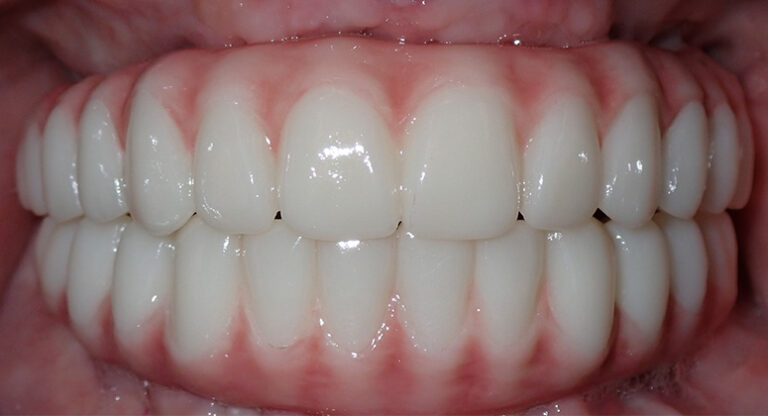
With proper planning and care, dental implants can last for many years. Clinical studies and long-term experience show that the implant fixture itself often endures 15–30+ years, while the visible restoration (crowns, bridges or prostheses) usually needs replacement sooner. This guide explains the biology behind implant longevity—like osseointegration—compares common materials such as zirconia and titanium, and reviews the real-world factors that shorten or extend service life. A common question is whether implants are “permanent”: the short answer is that the fixture can function for decades, but crowns, abutments and prosthetic teeth may be replaced periodically. You’ll find average lifespan ranges, the lifestyle and clinical risks that affect durability, practical maintenance steps to protect your investment, and how outcomes differ by implant type and full-mouth solutions such as TeethNow. If you live near Gasport, Lockport, or Buffalo, NY and want trusted implant care, this article gives clear, evidence-aligned information to help you decide.
What Is the Average Lifespan of Dental Implants?
When we talk about implant lifespan, we mean how long the implant fixture and its restoration remain functional and free of major complications. Osseointegration—the direct fusion of bone to the implant surface—is the key biological process that provides long-term stability. Biocompatible implant fixtures bond with the jawbone to form a durable foundation, but crowns and bridges wear over time and are more likely to need replacement. Most studies and clinical series report fixture survival commonly in the 15–30+ year range under favorable conditions; restorations often require attention every 10–15 years, depending on material and bite forces. Knowing this distinction helps set realistic expectations and plan maintenance.
Below is a quick comparison of expected lifespans for common implant options and full-arch solutions so you can scan the differences easily.
Implant Option | Key Attribute | Typical Lifespan / Notes |
Single-tooth implant | Fixture supporting individual crown | Fixture: 15–30+ years; crown: 10–15 years depending on material |
Multiple-tooth implants | Implants supporting bridges | Fixture: 15–30+ years; prosthesis: 10–20 years with maintenance |
Full-mouth restorations (TeethNow) | Full-arch prosthesis on multiple implants | Implant survival high over 10–15 years; prosthesis maintenance common |
Zygomatic implants | Anchored in zygomatic bone for severe maxillary loss | Fixture survival comparable long-term when indicated; useful when grafting is limited |
That table underscores a common pattern: the metal or ceramic fixture often outlasts the prosthetic parts. Choosing the right implant type and restoration material influences how long the entire solution remains serviceable. For a personalized prognosis, schedule a professional consultation.
How Long Do Different Types of Dental Implants Last?
Single-tooth implants and short-span implant-supported bridges typically demonstrate excellent long-term survival when placed into healthy bone and maintained with proper hygiene—fixture survival frequently falls in the 15–30+ year range. Full-mouth options like TeethNow are engineered to restore function quickly and reliably; implants supporting a full-arch prosthesis commonly remain stable for many years, although the prosthetic teeth and framework usually require more frequent upkeep. Zygomatic implants are a specialized option for severe upper-jaw bone loss and, because they engage the denser zygomatic bone, can provide durable support comparable to standard fixtures when used in appropriate cases. Understanding which components are likely to need periodic upkeep versus which are intended to be long-lasting helps patients plan ahead.
What Are the Typical Durability Expectations for Zirconia and Zygomatic Implants?
Zirconia implants are tooth-colored and highly biocompatible, offering attractive aesthetics and a metal-free option. Mid-term data show promising survival rates, but long-term evidence is more limited compared with titanium. Titanium implants have the largest evidence base and decades of predictable osseointegration under varied clinical conditions, making them the benchmark for long-term durability. Zirconia may be preferred for aesthetic zones or metal sensitivity, while titanium remains a versatile, well-documented choice for many situations. Ultimately, success depends on proper case selection, surgical technique and ongoing maintenance, regardless of material.
Zirconia vs. Titanium Dental Implants: A Review of Clinical Survival Rates
The overall survival rate of zirconia one- and two-piece implants was calculated at 92 % (95 % CI 87–95) after 1 year of function. The survival of implants at 1 year for the selected studies revealed considerable heterogeneity.
In spite of the unavailability of sufficient long-term evidence to justify using zirconia oral implants, zirconia ceramics could potentially be the alternative to titanium for a non-metallic implant solution. However, further clinical studies are required to establish long-term results, and to determine the risk of technical and biological complications. Additional randomized controlled clinical trials examining two-piece zirconia implant systems are also required to assess their survival and success rates in comparison with titanium as well as one-piece zirconia implants.
A systematic review of the clinical survival of zirconia implants, DS Courvoisier, 2016
Zygomatic implants are designed for patients with advanced upper-jaw resorption who would otherwise need extensive grafting. Their durability comes from anchoring into the denser cheekbone (zygoma) rather than the atrophic maxilla, producing stable outcomes in correctly selected cases. Material choice and anatomic strategy together determine expected longevity and candidate suitability.
Which Factors Affect Dental Implant Longevity?
Longevity depends on several interacting elements: the patient’s biology, the surgeon’s technique, implant design and material, and ongoing maintenance. Osseointegration is necessary but not the whole story—healthy peri-implant tissues and correct loading are also critical. Systemic factors such as bone quality, smoking, and uncontrolled diabetes impair healing and increase complication risk. Local risks like infection (peri-implantitis), occlusal overload, and poor hygiene accelerate failure. Thoughtful surgical planning and prosthetic design—accurate implant placement, appropriate implant dimensions, and well-fitting restorations—reduce mechanical stress and biological vulnerability. Addressing these factors before and after treatment gives the best chance of reaching the higher end of lifespan estimates.
The list below distills the primary longevity drivers for quick reference and featured-snippet clarity.
- Bone health and volume: Adequate bone secures primary stability and reduces micromovement during healing.
- Peri-implant infection (peri-implantitis): Inflammation and bone loss around an implant can lead to failure if not controlled.
- Smoking and systemic disease: Tobacco use and poorly controlled medical conditions impair healing and increase risk.
- Surgical and prosthetic technique: Precise placement, correct implant geometry, and well-designed restorations minimize mechanical strain.
These core factors show why thorough preoperative assessment and ongoing maintenance are essential. The next section quantifies relative impacts and suggests mitigation strategies.
Factor | Mechanism | Impact on Longevity |
Bone quality/volume | Determines primary stability and osseointegration surface area | High impact |
Peri-implantitis | Bacterial inflammation causing bone loss around implant | High impact |
Smoking | Impairs blood flow and healing | Medium-High impact |
Diabetes (uncontrolled) | Delays healing and increases infection risk | Medium impact |
Maintenance (hygiene/recalls) | Controls plaque and enables early detection | High impact |
This table helps prioritize the issues that most affect implant survival. In practice, clinicians weigh these factors together to design individualized treatment plans.
How Does Bone Health Impact Dental Implant Success?
Bone health matters because osseointegration—the structural and functional connection between bone and implant—requires enough bone volume and quality to stabilize the implant under function. We use diagnostic imaging and clinical exams to assess bone density and volume and decide whether grafting or a sinus lift is needed. Bone grafting and guided regeneration can rebuild lost volume and improve prognosis, though these procedures lengthen treatment time and healing. When grafting is planned and executed correctly, it typically improves long-term survival by ensuring the implant rests in healthy bone that can take masticatory loads.
What Role Does Peri-implantitis Play in Implant Failure?
Peri-implantitis is an inflammatory, often bacterial, condition that affects soft tissue and bone around implants and is a common cause of late complications when missed or untreated. Early warning signs include bleeding on probing, deeper pockets, radiographic bone loss, and persistent inflammation; catching these early often allows non-surgical or surgical treatment to halt progression. Prevention focuses on consistent plaque control, regular professional maintenance, and prompt treatment of mucosal inflammation. Advanced peri-implantitis can be complex to manage and may require debridement, antimicrobial therapy and regenerative techniques—success depends on timely intervention and patient adherence.
Peri-implantitis Prevention and Treatment: A Review of Dental Implant Success Rates
Dental implants have become an indispensable established therapy in dentistry in order to replace missing teeth in different clinical situations. Success rates of 82,9% after 16 years follow-up have been reported [1]. Under care and attention of indications, anatomical and intra-individual limiting factors, insertion of dental implants seems to represent a “safe” treatment option. Nevertheless, in the last
Definition, etiology, prevention and treatment of peri-implantitis–a review, O Jung, 2014
How Can You Extend the Life of Your Dental Implants?
Extending implant life is a team effort: daily oral care, scheduled professional maintenance, healthy lifestyle choices, and evidence-based clinical follow-up. Good plaque control prevents mucositis from progressing to peri-implantitis, and timely professional exams catch mechanical or biological problems early. Choosing suitable materials, managing occlusion to avoid overload, and addressing systemic factors—quitting smoking, controlling diabetes—also reduce risk. A coordinated plan that combines patient diligence and periodic clinical care gives implants the best chance of lasting for decades.
The checklist below lists practical maintenance steps you can follow to protect your implants.
- Brush gently but thoroughly twice a day with a soft brush to remove plaque without injuring peri-implant tissues.
- Use interdental brushes or a water flosser daily to clean between implants and around abutments where plaque hides.
- Keep regular professional cleanings and implant check-ups every 3–12 months as your risk profile dictates.
Following these practices reduces inflammation and mechanical wear; regular follow-up lets your clinician tailor recall intervals and address issues early to protect long-term outcomes.
Maintenance Action | Purpose | Recommended Frequency |
Mechanical plaque control (brushing/interdental) | Prevents biofilm formation | Daily |
Professional hygiene and evaluation | Detects early disease and checks prosthesis | Every 3–12 months |
Radiographic monitoring | Tracks bone levels and hidden issues | As recommended (annually or per risk) |
This table links routine steps to the goal of preserving the bone and soft tissues that support implants—central to extending implant lifespan.
What Are the Best Dental Implant Care and Maintenance Practices?
Start with a daily routine designed for implants: a soft-bristled toothbrush, interdental brushes sized to fit each gap, and adjuncts like low-pressure water flossers help keep plaque away from abutments and implant collars. Professional maintenance uses instruments and techniques safe for implants, includes peri-implant probing, and provides targeted debridement when needed; intervals are adjusted based on your history and risk factors. Watch for bleeding, swelling, or any mobility and report changes early—treating mucositis early often prevents more serious disease. Combining consistent home care with scheduled professional reviews is the most reliable way to keep implants healthy long-term.
How Do Personalized Treatment Plans Improve Implant Durability?
Personalized plans start with diagnostic imaging, occlusal analysis and a medical history review to match implant type, length, diameter and restoration material to your anatomy and function. Tailoring choices—zirconia in aesthetic zones or zygomatic implants for severe maxillary loss—reduces undue biomechanical stress and improves tissue compatibility, which lowers complication risk. Customized loading protocols and staged approaches take systemic factors and healing capacity into account to protect osseointegration. The result is fewer biological and mechanical failures because individualized planning anticipates and mitigates specific risks before surgery.
At Dentistry by Dr. Kaplansky, we evaluate bone quality, smoking history and peri-implantitis risk during the diagnostic workup and recommend zirconia, titanium or zygomatic strategies when clinically appropriate to improve long-term outcomes. We encourage patients to discuss personalized plans so they understand how specific choices affect durability.
What Are the Success Rates of Dental Implants?
Overall success rates for dental implants are high in the short term and remain favorable long term, though reported numbers vary by implant type, patient selection and follow-up time. Many studies document 95%+ survival for standard titanium implants at 5–10 years in healthy populations; longer-term series show survival declining modestly over decades but often staying above 85–90% beyond 15 years with proper maintenance. Zirconia implants show competitive short- and mid-term success in selected patients, though long-term datasets are smaller. Full-arch systems like TeethNow demonstrate strong implant survival at 5–10 years, with predictable function but expected prosthetic maintenance over time.
20-Year Meta-Analysis of Dental Implant Survival Rates: Long-Term Success and Follow-Up
This meta-analysis aims to investigate the long-term survival rates of dental implants over a 20-year period, providing a practical guide for clinicians while identifying potential areas for future research.
This review consolidates 20-year dental implant survival data, reflecting a remarkable 4 out of 5 implants success rate. It emphasizes the need for long-term follow-up care, addressing multifactorial implant failure. Prioritizing quality standards is crucial to prevent overestimating treatment effectiveness due to potential statistical errors. While dental implantology boasts reliable therapies, there is still room for improvement, and additional high-quality studies are needed, particularly to evaluate implant success.
Never before have the implant survival over 20 years been systematically analyzed in a meta-analysis. Although a long-term survival can be expected, follow-up is essential and shouldn’t end after insertion or even after 10 years.
How far can we go? A 20-year meta-analysis of dental implant survival rates, B Al-Nawas, 2024
Implant Type | Reported Success Rate | Long-term Outcome Notes |
Titanium implants | ~90–98% at 5–10 years in many cohorts | Strong evidence base for long-term survival with maintenance |
Zirconia implants | ~85–95% in mid-term studies | Promising aesthetics; long-term data still growing |
TeethNow full-arch restorations | High implant survival at 5–10 years | Prosthesis maintenance and adjustments common over time |
How Do Zirconia Implants Compare to Traditional Implants in Success?
Zirconia implants appeal to patients who want a metal-free, tooth-colored fixture with good soft-tissue response; mid-term studies report favorable survival in selected cases. Titanium implants still have the broadest long-term evidence and a proven track record for predictable osseointegration and mechanical resilience. Clinicians tend to favor zirconia in specific aesthetic or allergy-sensitive situations, while titanium remains the versatile go-to when long-term data and adaptability are priorities. Regardless of material, careful case selection, precise technique and consistent maintenance determine success.
What Are the Long-Term Outcomes of Full-Mouth Restorations Like TeethNow?
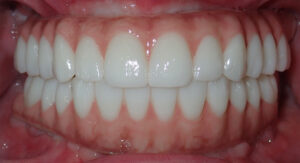
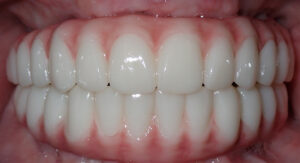
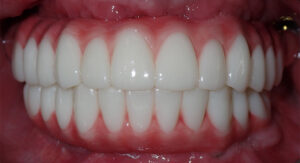
Full-mouth restorations such as TeethNow restore immediate function by using multiple implants to support a permanent or semi-permanent prosthesis and show reliable implant survival in many clinical series, particularly when implants are placed in good-quality bone. Over time, prosthetic components—acrylic teeth, attachments or fixed frameworks—usually need maintenance, relining or replacement more often than the underlying implants. Long-term planning should account for this expected prosthetic service. Patient satisfaction is typically high because full-arch solutions provide rapid improvement in function and appearance, but durable results rely on regular hygiene, recall visits and occasional prosthetic interventions. Choosing an experienced clinician for planning and ongoing maintenance helps maximize longevity.
What Should You Expect During Your Dental Implant Journey?
The implant process typically follows a clear sequence: consultation and diagnostics, surgical placement, healing and osseointegration, restorative attachment of the crown or prosthesis, and long-term maintenance. CBCT imaging and clinical exams guide implant positioning and determine whether adjunctive procedures like bone grafts or sinus lifts are needed; occlusal planning informs the restoration design. Healing times vary—osseointegration often takes several months before a definitive restoration is load-bearing—and follow-up visits let us monitor tissue health and integration. Understanding this timeline helps you prepare physically and financially for treatment.
- Consultation and diagnostics: medical history, imaging, and review of treatment options.
- Surgical placement: implant fixtures are placed, sometimes with grafting as needed.
- Healing/osseointegration: several weeks to months while bone integrates with the implant.
- Restorative phase: abutments and crowns or prostheses are attached and fine-tuned.
This step-by-step map clarifies decision points and what you’ll need to do to optimize outcomes; the following sections cover consultation details and financing options.
Phase | Typical Tasks | Patient Considerations |
Consultation | Imaging, treatment plan, discuss options | Ask about materials and timelines |
Surgery | Implant placement, grafts if needed | Expect postoperative instructions and healing time |
Restoration | Abutment/crown fabrication and fitting | Choose restoration materials and aesthetics |
Maintenance | Regular hygiene and recalls | Commitment to recalls preserves longevity |
Each phase carries responsibilities that materially affect long-term success and satisfaction—clear communication and follow-through at every step reduce surprises.
How Does the Consultation and Treatment Planning Process Work?
At your initial consultation we collect a full medical and dental history, perform a clinical exam and obtain three-dimensional imaging to map bone volume and important anatomic landmarks. Using those diagnostics, we review options—single-tooth versus multi-unit solutions, zirconia versus titanium, and whether grafting or zygomatic approaches are needed—so you understand risks, benefits and the timeline. We outline the sequence of care, expected healing intervals and when restorative work will occur, which helps you plan. Clear communication during planning reduces surprises and aligns expectations for durability and maintenance.
What Are the Financing Options for Dental Implants?
Financing varies by practice and region but commonly includes payment plans, third-party lenders and phased treatment approaches to spread cost over time. Discussing options at the consult helps reduce barriers to care. Dentistry by Dr. Kaplansky offers free consultations and flexible financing arrangements to help patients evaluate implant pathways and choose strategies that match clinical needs and budgets. We encourage open conversations about payment so cost doesn’t delay necessary treatment—transparent financial planning supports timely care and the maintenance that preserves implant longevity.
Where Can You Find Trusted Dental Implant Services Near Gasport, Lockport, and Buffalo NY?
If you live in the Gasport, Lockport or Buffalo area and are considering implants, look for practices that emphasize diagnostic planning, offer evidence-based options and provide ongoing maintenance programs. Good providers offer single-tooth implants, multi-tooth solutions, full-mouth TeethNow restorations, zirconia options and zygomatic implants for complex cases. Trust signals include clear explanations of risk factors, individualized treatment planning, and structured recall programs that monitor peri-implant tissues. Local access to advanced care and an open consult process reduce friction for patients ready to pursue implant treatment.
Why Choose Dr. Igor Kaplansky for Your Dental Implants?
Dentistry by Dr. Kaplansky provides implant care led by board‑certified Dr. Igor Kaplansky, combining personalized treatment plans with modern technology for implant placement and full‑mouth restorations like TeethNow. The practice offers advanced options—including zirconia and zygomatic implants when clinically appropriate—and emphasizes free consultations and flexible financing to make care accessible. That mix of credentialed expertise, comprehensive services and patient-focused planning supports predictable restorative results and long-term durability. If you’re considering a high-value implant solution, a consult can help match clinical needs with the right treatment pathway.
What Do Patients Say About Their Dental Implant Experience?
Patient feedback commonly highlights improved chewing function, greater comfort and renewed confidence after implant treatment, along with appreciation for clear communication and realistic expectations about maintenance and longevity. Summaries of testimonial themes help prospective patients understand likely outcomes without relying on specific quotes; reputable practices should share real patient stories and case photos during consultations to build trust. When evaluating providers, look for consistent references to aftercare, accessible maintenance programs and clinician follow-through on long-term plans. Asking to review patient cases or before-and-after documentation in a consult helps you evaluate outcomes and choose the right clinician.
We’ve covered how long dental implants typically last, the factors that affect durability, practical steps to extend service life, and how success rates vary by implant type and full-mouth solutions. For a personalized assessment based on bone health, lifestyle and prosthetic goals, schedule a consultation to create a tailored treatment and maintenance plan.
Frequently Asked Questions
What are the signs that dental implants may be failing?
Watch for persistent pain, swelling, or tenderness around the implant, any mobility of the implant or restoration, and signs of infection such as bleeding or pus. Increased pocket depths on probing and new radiographic bone loss are also warning signs. Regular check-ups let your dentist spot problems early—if you notice any of these signs, contact your dental team promptly.
Can dental implants be placed in patients with bone loss?
Yes—many patients with bone loss can receive implants, but additional procedures may be needed. Bone grafting or sinus lifts can rebuild volume and density to create a stable foundation. For severe upper-jaw loss, zygomatic implants anchor into the cheekbone as an alternative to extensive grafting. A comprehensive evaluation will determine the best approach for your bone health and treatment goals.
How does smoking affect dental implant success?
Smoking reduces blood flow and impairs healing, which increases the risk of implant complications and failure. Studies show a higher incidence of implant loss in smokers compared with non-smokers. Quitting before and after surgery improves outcomes and the long-term stability of implants. Be honest with your dentist about smoking so your care plan can address that risk.
What is the role of regular maintenance in implant longevity?
Regular maintenance is essential. Professional cleanings and check-ups detect early problems like mucositis or peri-implantitis before they progress. Daily home care—brushing and interdental cleaning—also matters. Following a structured maintenance schedule, typically every 3 to 12 months depending on risk, allows for timely interventions and helps keep implants and surrounding tissues healthy over the long term.
Are there dietary restrictions after getting dental implants?
Immediately after implant surgery you’ll be advised to stick to soft foods for a period to protect the surgical site—this can range from a few days to several weeks depending on the procedure. Avoid hard, crunchy or sticky foods during healing. As you recover, you can gradually return to a normal, balanced diet while maintaining good oral hygiene to minimize plaque buildup around implants.
What should I do if I experience discomfort after implant surgery?
Some discomfort after surgery is normal. Use recommended pain relief and follow postoperative instructions. If pain is severe, increases after the first few days, or is accompanied by fever, swelling or drainage, contact your dentist for an assessment—these can be signs of complications that need prompt care.
How can I choose the right dental implant provider?
Look for a provider with demonstrable implant experience, clear credentials and a track record of successful outcomes. A thorough consultation should cover treatment options, materials, risks and a tailored maintenance plan. Patient reviews, before-and-after case photos and a willingness to answer questions honestly are helpful indicators. Trust and communication are essential for a positive implant experience.