Mini dental implants are slender implant posts designed to replace missing teeth or stabilize dentures with a less invasive procedure and quicker recovery than many traditional implants. This guide explores how mini implants function, when they’re a good fit, and why they’re a practical choice for patients throughout Buffalo, NY, and nearby areas like Gasport and Lockport. You’ll discover the clinical mechanics of mini implants, the differences between zirconia and titanium options, who qualifies, and a clear comparison to conventional dental implants so you can weigh cost, recovery, and long-term value. Following a review of the medical and procedural details, this piece covers typical cost factors and financing approaches, shares patient experiences regarding function and confidence, and outlines the step-by-step process Dr. Kaplansky’s practice uses for mini dental implants. Where applicable, this guide references current clinical insights and practical advice to help you determine if mini dental implants are the right, smaller solution for your missing teeth or denture stabilization needs in the Buffalo area.
What Are Mini Dental Implants and How Do They Work?
Mini dental implants are small-diameter implant posts, typically used to anchor restorations or secure removable dentures by engaging available jawbone and supporting prosthetic attachments. They function by providing a stable mechanical anchor (implant post) and an abutment interface that accepts retentive caps, crowns, or overdentures, which distributes chewing forces and restores function. Because mini implants have a reduced diameter, they often require less bone volume and smaller surgical access, which shortens procedure time and lowers the need for bone grafting. Understanding these core mechanics clarifies why mini dental implants are frequently selected for denture stabilization and targeted single-tooth replacement in patients with limited bone.
Mini implants are characterized by specific material and design choices that affect outcomes and aesthetics, which leads directly into how they compare with traditional implants and why materials like zirconia can be advantageous for select patients.
What Defines Mini Dental Implants Compared to Traditional Implants?
Mini dental implants differ from traditional implants primarily in diameter, component complexity, and typical indications, with mini implants usually ranging from about 1.8 mm to 3.0 mm in diameter while conventional implants commonly exceed 3.5 mm. The smaller profile allows placement with minimal incision and often without complex bone grafting, making them suitable for narrow ridges and immediate denture stabilization. Mechanical retention generally relies on a one-piece or simplified two-piece system with a shorter healing period in many cases, although load limitations apply for high-stress posterior teeth. These design distinctions explain why clinicians choose mini implants for lower surgical invasiveness and why conventional implants remain preferred for high-load, long-span restorations.
This size and design comparison clarifies material choices, including the increasing adoption of zirconia as an aesthetic and biocompatible option.
What Are the Key Features and Benefits of Zirconia Mini Dental Implants?
Zirconia mini dental implants are a ceramic alternative to titanium that offer notable aesthetic and biocompatibility advantages while providing sufficient strength for many anterior and denture-stabilizing applications. Zirconia’s tooth-colored appearance reduces visible gray lines at the gum margin and supports improved soft-tissue aesthetics, which matters especially when restorations are in the smile zone. Biologically, zirconia is well tolerated by many patients and shows favorable soft-tissue response in contemporary studies, making it an attractive hyponym within implant materials for patients prioritizing appearance and metal-free restorations. Clinicians balance zirconia’s benefits against case-specific mechanical demands, and recent trends through 2024–2025 show growing clinician interest in zirconia mini implants for select cases.
Understanding zirconia’s properties helps determine when a zirconia mini implant is preferable and leads into how mini implants address bone loss without extensive augmentation.
How Do Mini Dental Implants Address Missing Teeth and Bone Loss?
Mini dental implants address missing teeth and limited bone volume by engaging available cortical bone and offering a lower-profile solution that often avoids augmentation procedures, thereby restoring chewing function and prosthesis stability. Their reduced surgical footprint allows placement in narrow ridges where traditional implants would require grafting, and retentive attachments on mini implants dramatically improve denture retention and patient confidence. Clinical examples include stabilizing an overdenture with four to six mini implants or replacing a single anterior tooth without extensive surgery; such cases show meaningful functional improvement while minimizing treatment time. These practical advantages make mini implants a valuable tool for clinicians managing bone limitations and for patients seeking less invasive tooth replacement options.
This clinical perspective sets the stage for evaluating patient-centered benefits and recovery expectations.
What Are the Benefits of Choosing Mini Dental Implants in Buffalo, NY?
Mini dental implants deliver several patient-centered benefits including reduced invasiveness, lower short-term cost, faster recovery, and improved denture stability that restore both function and confidence. The less invasive surgical approach means shorter appointments, often local anesthesia rather than general sedation, and quicker return to normal eating and speech. For denture wearers in Buffalo, Gasport, and Lockport, converting a loose denture to an implant-stabilized prosthesis reliably improves chewing efficiency, reduces soft-tissue irritation, and enhances social comfort. These practical benefits help explain why mini dental implants are an increasingly considered option for many patients weighing alternatives to conventional implants.
To illustrate specific mechanisms and outcomes, consider the following summarized benefits and how they are achieved.
Benefit | Mechanism | Patient Impact |
Less invasive surgery | Narrow-diameter posts and minimal incisions | Shorter procedure time and reduced post-op discomfort |
Cost-effectiveness | Fewer materials and reduced surgical complexity | Lower upfront cost compared with some traditional protocols |
Faster recovery | Reduced tissue trauma and often immediate loading | Quicker return to normal diet and daily activities |
Denture stabilization | Retentive caps and abutment attachments | Improved chewing, speech, and confidence |
How Do Mini Dental Implants Offer Less Invasive and Faster Recovery?
Mini dental implants offer less invasive placement by requiring smaller osteotomies and often fewer surgical visits, which lowers procedural trauma and shortens healing time. Placement commonly occurs under local anesthesia with minimal suturing, and many patients experience only mild short-term soreness rather than prolonged postoperative pain. Because some mini implant protocols support immediate or early loading, patients may receive improved prosthetic function within days to weeks rather than months, accelerating return to normal diet. This pattern of reduced invasiveness and faster functional recovery makes mini implants especially attractive for patients seeking efficient treatment without major reconstruction.
This recovery profile naturally connects to cost considerations, since less clinical time and fewer procedures influence pricing.
Why Are Mini Dental Implants a Cost-Effective Solution for Missing Teeth?
Mini dental implants can be cost-effective because they typically require fewer surgical materials, less operative time, and sometimes avoid bone grafting or sinus augmentation that increases overall expense. While per-unit pricing varies by clinic and case complexity, savings often come from simplified lab work and shorter chair time required for placement and provisionalization. Financing options further increase accessibility for patients who would otherwise delay treatment, and a personalized estimate after clinical evaluation clarifies true cost for each case. Considering both upfront costs and the value of restored function, mini implants frequently represent an economically sensible choice for targeted tooth replacement or denture stabilization.
A breakdown of cost components clarifies what contributes to the final estimate and how financing can help.
Cost Component | Typical Range | Notes |
Consultation & Imaging | $100–$400 | CBCT/3D imaging may be required for planning |
Implant post placement | $300–$1,000 per mini implant | Minis generally lower than traditional posts |
Restoration (abutment/crown or cap) | $300–$1,500 | Varies by material and prosthesis type |
Bone grafting/augmentation | $500–$3,000+ | Raises cost significantly when needed |
Follow-up & maintenance | $50–$300 | Periodic adjustments and hygiene visits |
How Do Mini Dental Implants Improve Denture Stabilization and Oral Confidence?
Mini dental implants stabilize removable dentures by providing retentive anchor points that resist displacement and distribute occlusal forces, which improves chewing efficiency and reduces sore spots caused by denture movement. Attachment systems such as ball, locator, or snap-in retentive caps create a secure connection while allowing easy removal for hygiene, balancing retention with daily maintenance. Patients commonly report improved ability to eat firmer foods, clearer speech, and greater social confidence after conversion to an implant-stabilized prosthesis. These functional and psychosocial improvements explain why denture stabilization remains a principal indication for mini dental implants in many practices.
The functional gains from stabilization naturally call for a direct comparison with traditional implant approaches to help guide choice.
How Do Mini Dental Implants Compare to Traditional Dental Implants?
Mini dental implants and traditional implants share the same restorative purpose—anchoring prosthetic teeth—but differ across size, invasiveness, healing time, and typical costs, making them complementary options within implant dentistry. Minis are less invasive and often faster to restore, while traditional implants provide greater biomechanical strength for high-load situations and longer-span reconstructions. Choice depends on patient anatomy, prosthetic demands, and long-term treatment goals, and clinicians evaluate these factors during personalized planning. The following comparison table highlights these contrasts succinctly and supports a practical verdict for common clinical scenarios.
Clinicians weigh these attributes when recommending the optimal implant type for each patient, which the table below clarifies.
Characteristic | Mini Dental Implants | Traditional Dental Implants |
Diameter | ~1.8–3.0 mm | ≥3.5 mm |
Surgical invasiveness | Minimal, often no grafting | May require grafting or sinus lift |
Typical healing to restoration | Days to weeks (often immediate) | Several months for osseointegration |
Ideal use cases | Denture stabilization, narrow ridges, single-tooth in low-load areas | Full-arch load-bearing, posterior teeth, long-span bridges |
What Are the Differences in Size, Procedure, and Healing Time?
Size differences influence procedure and healing time: mini implants’ smaller diameter leads to less bone removal and often immediate loading, while traditional implants require larger osteotomies and longer osseointegration periods. Mini implant procedures typically conclude in one shorter surgical appointment with limited postoperative discomfort, whereas traditional implant workflows may include staged grafting, longer healing, and multiple restorative appointments. Typical timelines reflect these differences: many mini implant protocols offer functional improvement within days to weeks, while conventional implants commonly need three to six months before final restoration. These distinctions help patients decide based on urgency, anatomy, and functional demands.
Understanding these timelines then informs candidate selection for each implant type.
Which Candidates Are Better Suited for Mini vs. Traditional Implants?
Ideal candidates for mini dental implants include patients with limited bone volume who wish to avoid grafting, denture wearers seeking stabilization, and individuals needing a lower-cost or faster solution for anterior single-tooth replacement. Traditional implants are better suited for patients who require high-load posterior restorations, multi-unit fixed bridges, or long-span full-arch reconstructions that demand greater implant diameter and strength. Medical and oral health factors—such as uncontrolled systemic illness or severe periodontal disease—affect candidacy for either approach, and clinicians tailor recommendations to each patient’s profile. Clear candidate delineation ensures treatment aligns with realistic functional and longevity expectations.
Candidate profiles naturally lead to cost and financing contrasts that affect final decision-making.
How Do Costs and Financing Options Differ Between Mini and Traditional Implants?
Costs vary because mini implants typically involve fewer surgical materials and shorter clinical time, leading to lower upfront expenses, while traditional implants often incur higher costs due to grafting, multiple components, and extended restorative work. Financing options are commonly available for both approaches, with third-party payment plans and in-office arrangements helping patients manage treatment. The following EAV table breaks down common cost components and typical ranges to clarify expectations and finance planning.
Cost Component | Typical Range | Notes |
Consultation & Imaging | $100–$400 | Essential for accurate planning |
Per mini implant placement | $300–$1,000 | Depends on system and clinical complexity |
Prosthetic attachments or crowns | $300–$1,500 | Varies by material and retention style |
Additional surgery (grafting) | $500–$3,000+ | Only when anatomy requires augmentation |
What Is the Mini Dental Implant Procedure at Dentistry by Dr. Kaplansky in Buffalo?
The mini dental implant procedure at Dentistry by Dr. Kaplansky begins with a focused consultation and 3D imaging, followed by individualized planning, careful placement using modern guided techniques, and timely restoration to achieve functional outcomes with patient comfort. The practice emphasizes advanced zirconia implant options where clinically appropriate, personalized treatment plans that reflect each patient’s anatomy and goals, and technologies such as CBCT-based planning to improve precision. Minimally invasive placement, attention to soft-tissue health, and clear postoperative guidance aim to shorten recovery and deliver predictable stabilization for dentures or single-tooth needs. This clinical workflow supports reliable outcomes while minimizing unnecessary surgical steps.
Next, a step-by-step breakdown helps patients understand what to expect during each stage of care.
What Are the Step-by-Step Stages of the Mini Dental Implant Process?
- Consultation and Imaging: Clinical exam and 3D imaging to evaluate bone and plan implant positions. (drkaplansky.com)
- Treatment Planning: Personalized plan choosing implant type (zirconia or titanium) and prosthetic strategy. (drkaplansky.com)
- Implant Placement: Minimally invasive placement of mini implants, often under local anesthesia, with immediate or early attachment. (drkaplansky.com)
- Provisionalization and Healing: Temporary prosthesis or retention adjustments while soft tissue stabilizes. (drkaplansky.com)
- Final Restoration and Maintenance: Permanent prosthesis placement and ongoing check-ups for function and hygiene. (drkaplansky.com)
How Does Advanced Technology Enhance Patient Comfort and Outcomes?
Advanced technologies such as CBCT imaging, guided surgical templates, and digital impressions improve placement precision, reduce chair time, and enhance restorative fit for mini dental implants. CBCT provides three-dimensional bone assessment that informs ideal implant angulation and avoids critical anatomical structures, while guided templates translate planning into accurate placement. Digital workflows help fabricate snug prosthetics that minimize adjustment time and support soft-tissue health. Together, these technologies reduce variability, increase predictability, and contribute to faster, more comfortable patient experiences.
What Is the Typical Recovery Timeline After Mini Dental Implant Surgery?
After mini implant placement, most patients experience mild soreness for 24–72 hours managed with simple analgesics and soft diet, followed by steady improvement over the first week as soft tissues adapt. If immediate loading is used, patients may receive a stabilized denture or provisional restoration within days, while full tissue maturation and long-term monitoring continue over weeks to months. Routine follow-up visits assess healing, adjust retention, and confirm occlusion, and clinicians advise signs of concern that warrant prompt evaluation. Clear postoperative instructions and scheduled check-ins support rapid recovery and durable implant function.
Who Is a Good Candidate for Mini Dental Implants in Buffalo, NY?
Good candidates for mini dental implants are patients who need improved denture retention, have limited bone volume that makes grafting undesirable, or require a less invasive single-tooth option in lower-load regions; candidacy requires a full clinical evaluation. Adequate oral hygiene, controlled systemic health conditions, and realistic expectations about load limits and maintenance needs are important for predictable success. Clinicians evaluate periodontal health, smoking status, and metabolic conditions when determining whether mini implants are appropriate or whether referral for conventional implant planning is advised. A careful, individualized assessment ensures the selected implant approach aligns with both functional goals and long-term oral health.
How Do Mini Dental Implants Help Patients with Bone Loss or Loose Dentures?
Mini implants help patients with bone loss by anchoring into existing cortical bone without the need for extensive augmentation, providing immediate retention for dentures and often avoiding grafting procedures. For loose dentures, placing several mini implants creates distributed support and retention that dramatically reduces movement and mucosal irritation, restoring masticatory efficiency. Limitations include biomechanical load capacity and long-term wear considerations, so clinicians balance expectations and may recommend periodic maintenance. These practical outcomes make mini implants a compelling alternative for patients seeking stable prosthetics despite compromised ridge width.
Can Mini Dental Implants Be Used for Single Tooth Replacement or Full-Mouth Restoration?
Mini dental implants are commonly used for single-tooth replacement in low-load anterior zones and as strategic anchors for overdentures, but they are rarely a standalone solution for full-mouth fixed restorations intended to bear high occlusal forces. In hybrid approaches, minis can serve as interim or adjunct support while a comprehensive plan using traditional implants may be staged for definitive full-arch rehabilitation. Clinicians select the appropriate role for minis based on biomechanical needs, prosthetic design, and patient preferences to ensure functional longevity and predictable outcomes. This nuanced role highlights the importance of personalized treatment planning.
What Are the Medical and Oral Health Conditions That Affect Candidacy?
Several medical and oral health factors influence candidacy: uncontrolled diabetes, severe periodontal disease, active smoking, or untreated oral infections can impair healing and implant integration and thus require mitigation or alternative approaches. A comprehensive medical history and blood sugar control assessment, along with periodontal therapy when needed, improve prognosis for implant placement. Clinicians discuss risk mitigation—such as smoking cessation and periodontal maintenance—to optimize outcomes and may coordinate care with medical providers. Thorough assessment and pre-treatment management reduce complications and support long-term implant success.
What Are the Costs and Financing Options for Mini Dental Implants in Buffalo, NY?
Costs for mini dental implants reflect consultation, imaging, implant posts, restorative components, and follow-up care, with variability driven by the number of implants, need for grafting, and prosthetic complexity. Transparent cost breakdowns help patients compare options and plan financing, and many practices offer flexible plans to spread payments. For precise pricing, a personalized evaluation is necessary because imaging and treatment complexity determine final recommendations. After explaining common cost components below, the section outlines typical financing approaches and invites readers to obtain a tailored estimate from the practice.
A clear itemization reveals where expenses arise and how financing can be applied to make treatment accessible.
Cost Component | Typical Range | Notes |
Initial consultation & CBCT imaging | $100–$400 | Essential for accurate planning |
Per mini implant placement | $300–$1,000 | Depends on system and clinical complexity |
Prosthetic attachments or crowns | $300–$1,500 | Varies by material and retention style |
Additional surgery (grafting) | $500–$3,000+ | Only when anatomy requires augmentation |
What Is the Typical Price Range for Mini Dental Implants?
Typical per-implant pricing for mini dental implants generally falls below traditional implant costs, reflecting simpler components and reduced surgical time, but total treatment pricing depends on the number of implants and the chosen restoration. Per-implant ranges and restorative fees combine to form the overall treatment estimate, and additional services such as imaging or provisional prosthetics add to the total. Because each patient’s anatomy and prosthetic goals differ, clinicians provide personalized quotes following diagnostic imaging and planning. Understanding the range prepares patients to evaluate financing and expected value.
What Flexible Financing Plans and Insurance Options Are Available?
Common financing solutions include in-office payment plans, third-party medical financing, and installment programs that allow patients to spread costs over time while beginning treatment promptly. Dental insurance may cover a portion of restorative components in some cases, though coverage for implants varies and patients should consult their plan and the practice’s administrative team for specifics. Dentistry by Dr. Kaplansky offers flexible financing options to help patients access implant dentistry; prospective patients are encouraged to request a personalized estimate to review plan details. Clear financing discussions before treatment help align care with budgetary constraints.
How Does Cost Compare to Other Tooth Replacement Options?
When compared with removable dentures, mini dental implants usually increase upfront cost but deliver superior function, retention, and quality-of-life benefits that can justify the investment. Traditional implants entail higher initial costs but may provide greater durability and suitability for full-arch fixed restorations, representing long-term value for extensive reconstructions. Bridges can be less costly initially but may sacrifice adjacent tooth structure and long-term preservation. Evaluating short-term expense against long-term function and maintenance needs helps patients choose the most appropriate, cost-effective option.
What Do Patients Say About Their Mini Dental Implant Experience in Buffalo?
Patient feedback commonly highlights improved denture retention, easier eating, and enhanced confidence after mini implant stabilization, reflecting measurable functional and psychosocial gains. While individual outcomes vary, consistent themes include reduced denture slippage, fewer sore spots, and better speech clarity, which together improve daily comfort and social ease. Prospective patients can review verified feedback sources and discuss case examples during consultation to set realistic expectations. These patient-centered outcomes support mini implants as a practical solution for many needing targeted stabilization or single-tooth replacements.
What Are Real Patient Success Stories and Before-and-After Results?
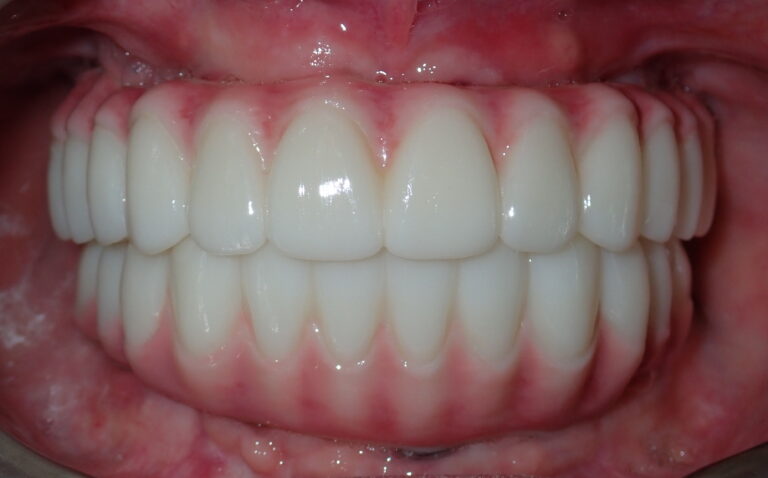
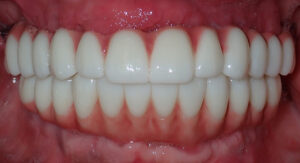
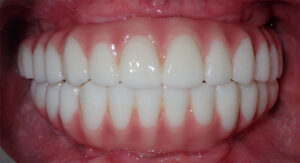
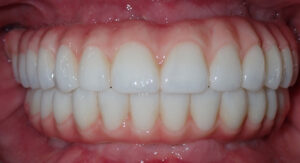
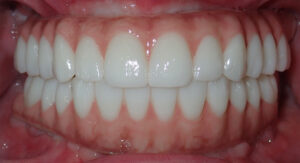
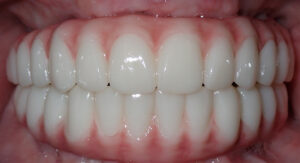
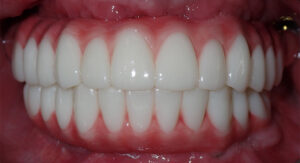
Short clinical vignettes often follow a problem–solution–outcome pattern: a patient with a loose lower denture receives four mini implants to stabilize the prosthesis and reports immediate improvement in chewing and confidence within days. Another common vignette involves a narrow anterior gap restored with a zirconia mini implant that preserves soft-tissue aesthetics and avoids grafting. These anonymized case summaries illustrate predictable improvements in function and appearance when cases are selected appropriately. Visual documentation and clinical photos typically reinforce these outcomes and help prospective patients understand potential results.
How Have Mini Dental Implants Improved Patients’ Quality of Life and Confidence?
Mini dental implants improve daily life by restoring predictable chewing, enabling clearer speech, and eliminating the embarrassment of denture movement, which collectively enhance social interactions and dietary choices. Patients often regain enjoyment of diverse foods and report fewer restrictions on dining and speaking in public, which strengthens emotional well-being. Functional restoration combined with improved cosmetic stability contributes to lasting confidence gains that affect both personal and professional life. These quality-of-life benefits underscore the practical value of implant stabilization beyond technical success.
Where Can You Find Verified Reviews and Ratings for Dr. Kaplansky’s Mini Implants?
Verified reviews and ratings appear on common third-party review platforms and practice profiles; prospective patients benefit from reading multiple sources to assess consistency in outcomes, communication, and care. Evaluating recent reviews, before-and-after galleries, and case summaries provides insight into typical recovery and satisfaction patterns. Dentistry by Dr. Kaplansky encourages patients to consult multiple review channels and to request case references during consultation to inform expectations. Reviewing external feedback complements a clinical consultation and supports well-informed treatment decisions.
Why Choose Dr. Kaplansky for Mini Dental Implants in Buffalo, NY?
Dentistry by Dr. Kaplansky focuses on implant dentistry and offers mini dental implants among its implant solutions, combining board-certified implantologist expertise with personalized treatment planning and advanced zirconia implant options where appropriate. The practice serves patients across Buffalo, Gasport, and Lockport and emphasizes tailored plans that reflect each patient’s anatomy, restorative goals, and financing needs. With a patient-centered approach and modern implant technologies, the practice aims to deliver efficient stabilization and reliable outcomes for those seeking a smaller solution to missing teeth. Prospective patients can schedule a free mini dental implant consultation via the practice website to review options and receive a personalized plan.
Below are concise unique value propositions that summarize the practice’s implant strengths.
- Board-certified implantology expertise focused on implant dentistry and personalized care.
- Use of advanced zirconia implant options for durability and natural appearance when appropriate.
- Local service to Buffalo, Gasport, and Lockport with patient-focused treatment planning and flexible financing.
What Expertise Does Dr. Kaplansky Bring as a Board-Certified Implantologist?
Dr. Kaplansky’s practice highlights board-certified implantology expertise and a clinical emphasis on implant dentistry, which informs treatment planning and technique selection for mini dental implants. This level of specialty training supports nuanced decision-making about case candidacy, materials (including zirconia), and restoration strategies that align with patient goals. The clinician’s implant focus ensures that each case receives attention to both functional biomechanics and aesthetic outcomes, improving predictability. Patients benefit from this specialized perspective when comparing implant options and planning personalized care.
How Does the Use of Advanced Zirconia Implants Benefit Patients?
Advanced zirconia implants provide tooth-colored aesthetics, strong biocompatibility, and favorable soft-tissue response, making them particularly useful in anterior restorations and for patients seeking metal-free solutions. Zirconia’s material properties reduce visible discoloration at the gumline and promote healthy tissue integration in many clinical contexts. While clinicians evaluate mechanical demands case-by-case, zirconia mini implants represent a valuable hyponym within implant materials for select scenarios. Patient selection and precise planning determine suitability and maximize the material’s aesthetic and biological advantages.
What Personalized Care and Local Service Areas Does Dentistry by Dr. Kaplansky Offer?
Dentistry by Dr. Kaplansky provides personalized implant treatment planning tailored to each patient’s anatomy, restorative goals, and financial considerations, serving patients from Buffalo, Gasport, and Lockport. The clinic’s local service area focus allows practitioners to understand regional patient needs and deliver targeted solutions like denture stabilization and zirconia mini implant options. Personalized care includes diagnostic imaging, customized planning, and follow-up tailored to maximize comfort and outcome predictability. This local, patient-first approach supports practical access to modern implant dentistry for nearby communities.
How Can You Schedule a Free Mini Dental Implant Consultation?
To begin evaluating whether mini dental implants suit your needs, request a free mini dental implant consultation via the practice website where the team will outline the evaluation process, imaging requirements, and financing discussions. During the consultation you can expect a clinical exam, review of three-dimensional imaging if needed, discussion of repair or replacement options, and a transparent estimate tailored to your situation. Scheduling a consult enables a personalized plan and an opportunity to ask about zirconia options, immediate stabilization protocols, and payment arrangements. A no-cost initial consultation is the practical first step toward restoring function and comfort with mini implants.
Frequently Asked Questions
1. What is the difference between zirconia and titanium mini dental implants?
Zirconia mini dental implants are a ceramic alternative to titanium, offering aesthetic benefits due to their tooth-colored appearance, which reduces visible gray lines at the gum margin. They are also biocompatible, promoting favorable soft-tissue responses. Titanium implants, on the other hand, are known for their strength and durability, making them suitable for high-load applications. The choice between the two often depends on the patient’s specific needs, aesthetic preferences, and the clinical situation.
2. How do mini dental implants affect speech and eating?
Mini dental implants significantly improve speech and eating for patients with loose dentures. By providing stable anchorage, they prevent denture movement, allowing for clearer speech and the ability to eat a wider variety of foods without discomfort. Patients often report increased confidence in social situations as they no longer worry about their dentures slipping. This functional improvement enhances overall quality of life, making daily activities more enjoyable and less stressful.
3. Are there any age restrictions for receiving mini dental implants?
There are no strict age restrictions for receiving mini dental implants; however, candidates should have fully developed jawbones, which typically occurs in late adolescence. Older adults can also benefit from mini implants, especially if they have experienced bone loss or have loose dentures. A thorough evaluation by a dental professional is essential to assess bone health and overall suitability for the procedure, regardless of age.
4. What should I expect during the mini dental implant consultation?
During the mini dental implant consultation, the dentist will conduct a comprehensive clinical examination and may use 3D imaging to assess bone structure and plan implant placement. The discussion will cover treatment options, expected outcomes, and any potential risks. Patients will also receive information about the procedure, recovery timeline, and financing options. This initial visit is crucial for establishing a personalized treatment plan tailored to the patient’s needs and goals.
5. How do mini dental implants compare in cost to other dental solutions?
Mini dental implants generally have a lower upfront cost compared to traditional implants, primarily due to reduced surgical complexity and fewer materials required. While they may be more expensive than removable dentures, they offer enhanced function and stability, which can justify the investment. In contrast, bridges may have lower initial costs but can compromise adjacent teeth. Evaluating the long-term benefits and costs of each option is essential for making an informed decision.
6. Can I get mini dental implants if I have gum disease?
Having gum disease does not automatically disqualify a patient from receiving mini dental implants, but it must be managed before the procedure. Active gum disease can impair healing and increase the risk of implant failure. A thorough periodontal evaluation and treatment plan are necessary to ensure that the gums are healthy prior to implant placement. Collaborating with a dental professional to address any existing oral health issues is crucial for successful outcomes.
7. What lifestyle changes should I consider after getting mini dental implants?
After receiving mini dental implants, patients should maintain good oral hygiene practices, including regular brushing and flossing, to prevent plaque buildup and gum disease. It’s also advisable to avoid hard or sticky foods that could stress the implants. Regular dental check-ups are essential for monitoring the health of the implants and surrounding tissues. Additionally, lifestyle changes such as quitting smoking can significantly improve the success rate of the implants and overall oral health.