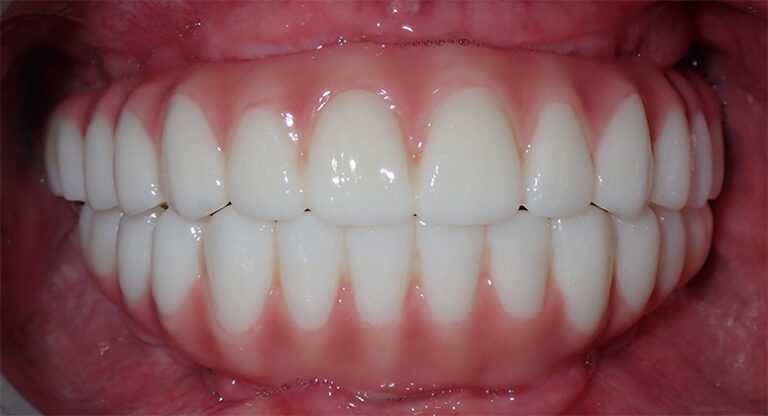
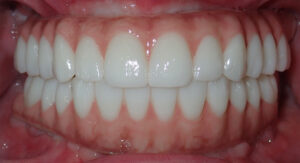
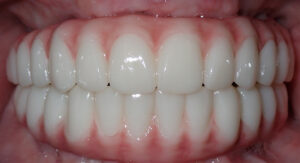
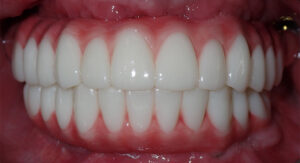
Your dental implant consultation is the first—and most important—step toward restoring your smile and oral health. At this visit you’ll learn how dental implants work, what to expect during treatment, and how implants can help you chew, speak, and feel more confident. This guide walks through the consultation so you arrive informed and relaxed. We’ll explain why the first visit matters, the steps we typically follow, the imaging and diagnostics we use, the treatment options we’ll review, cost and financing details, and practical ways to prepare for your appointment.
Why Is the Initial Dental Implant Consultation Important?
The initial consultation lays the groundwork for a treatment plan built around you. It’s when we review your oral health, discuss your goals, and assess the safest, most predictable path forward. Knowing your needs up front helps us design care that improves the odds of a long-lasting, reliable result.
How Does the Consultation Set the Foundation for Your Treatment Plan?
During the consultation we’ll check your gums, teeth, and jawbone to see whether implants are the best option. We’ll also discuss whether your priorities are appearance, comfort, or function, and map out a realistic timeline. That personalized planning keeps surprises to a minimum and helps you feel confident at every step.
What Are the Benefits of a Personalized Implant Evaluation?
A personalized evaluation gives us the detail we need to spot potential challenges—like bone loss—or to prioritize cosmetic goals. When a plan is tailored to your mouth and your expectations, outcomes are typically more predictable and more satisfying. Many patients tell us they feel reassured and more at ease when their care is clearly individualized.
Research shows patients place great value on the conversation and information they receive during their first implant consultation.
Patient Perspectives on Dental Implant Information
This study explored patients’ experiences and opinions about the information they received for dental implant treatment, the factors that shaped their decisions, and ideas for improving information delivery. At the first consultation, patients reported that the discussion with implant clinicians was their most important source of information.
Provision of information on dental implant treatment: patients’ thoughts and experiences, WA Kashbour, 2018
What Happens During the Dental Implant Consultation Process?
The consultation follows a few clear steps designed to produce a safe, well-informed treatment plan. Knowing the process ahead of time helps most people feel calmer and better prepared for their visit.
Which Medical and Dental History details Are Reviewed?
We’ll go over your medical and dental history to identify anything that could affect treatment—previous dental work, current medications, and any chronic health conditions. That background lets us choose the right techniques, timing, and precautions so your care is both safe and effective.
A careful review of a patient’s medical background is essential and is emphasized in recent research on pre-treatment protocols for medically complex patients.
Pre-Treatment Protocols for Medically Compromised Dental Implant Patients
Treating medically complex patients can be more involved, especially when procedures or urgent care are needed. The evidence supports customizing dental plans and obtaining medical clearances when appropriate so dental teams can deliver safe, coordinated preventive and restorative care across specialties.
Evaluating and Managing Specific Medical Conditions in Dental Practice: A Review of Pre-Treatment Protocols, H Sahi, 2024
How Is the Comprehensive Oral Examination Conducted?
The oral exam assesses gum health, the condition of remaining teeth, and overall hygiene. We use visual inspection, gentle probing, and X-rays when needed to evaluate bone support. Those findings guide whether implants are appropriate now, or whether preparatory procedures or alternatives are needed first.
How Are Advanced Diagnostic Tools Used in Your Consultation?
Advanced imaging and diagnostics increase the accuracy of our assessment and allow us to plan implant placement with greater safety and predictability.
What Role Do 3D Imaging and CBCT Scans Play?
3D imaging and Cone Beam CT (CBCT) scans give a detailed view of your jaw, sinus spaces, and nearby nerves. These images reveal bone density and anatomy in three dimensions so we can choose ideal implant positions and determine whether bone grafting or other preparatory steps are required.
Visualization tools like these help bridge the gap between technical planning and a patient’s understanding of complex procedures and likely results.
Enhancing Dental Implant Consultations with Visualization
Dentistry lacks consistently effective tools to show patients the planned procedures and likely outcomes. Without clear visuals, patients can struggle to form an accurate picture of the treatment, which can reduce trust and understanding during consultations.
Developing a mobile application to better inform patients and enable effective consultation in implant dentistry, E Canbazoglu, 2016
Careful review of CBCT data is a cornerstone of precise implant planning and guided surgery.
CBCT Imaging for Dental Implant Treatment Planning
A thorough review of all CBCT views—including axial, sagittal-oblique, and panoramic images—is essential for accurate implant planning and for achieving predictable surgical guidance.
Digital technologies for dental implant treatment planning and guided surgery, AM Greenberg, 2015
How Do Imaging Results Inform Your Treatment Options?
Imaging helps us pick the right implant type, size, and placement technique for your anatomy. With clear images we can recommend conservative approaches when appropriate, or more advanced solutions—like bone grafting or alternate implant designs—when they improve long‑term success.
What Treatment Plans Are Discussed at Your Consultation?
We’ll go over treatment options that fit your mouth and your goals so you can make an informed decision about the path forward.
This fits the growing focus on shared decision-making, where your involvement helps produce better outcomes.
Shared Decision-Making in Dental Implant Consultations
This review examined research on shared decision-making related to dental implants, focusing on how patients take part in decisions and the factors that influence their involvement.
Scoping review of the role of shared decision making in dental implant consultations, AAH Alzahrani, 2018
What Are the Options: Single, Multiple, Full-Mouth, and Zygomatic Implants?
Options range from single implants to replace one tooth, to multiple implants for several missing teeth, to full‑mouth restorations for more extensive needs. For patients with severe upper‑jaw bone loss, zygomatic implants (anchored in the cheekbone) may be an alternative to extensive grafting. Each option has specific indications and benefits, which we’ll explain in plain, understandable terms.
How Does Dr. Kaplansky Personalize Your Implant Strategy?
Dr. Igor Kaplansky tailors every treatment plan by considering your bone quality, cosmetic goals, overall health, and timeline. That approach prioritizes predictability and long‑term function while honoring the look and comfort you want from your new smile.
What Should You Know About Consultation Costs and Financing?
Understanding the likely costs helps you plan care with confidence. We’ll explain any consultation fees and outline financing options so you can move forward without surprises.
Is the Dental Implant Consultation Free?
At Dentistry by Dr. Kaplansky, the dental implant consultation is offered at no charge. This gives you the opportunity to explore options, ask questions, and receive a thorough evaluation before deciding on treatment.
What Flexible Payment and Insurance Options Are Available?
We offer flexible payment plans and can help you review insurance coverage. During your consultation we’ll go over financing choices and any insurance details so you can pick an option that fits your budget.
How Can You Prepare for Your Dental Implant Consultation?
Bringing a few items and preparing questions ahead of time makes the appointment smoother and more productive. Below are simple steps to help you get ready.
What Documents and Information Should You Bring?
Bring a brief medical history, a list of current medications, and any prior dental records or imaging you have. That information helps us provide faster, more accurate recommendations.
Which Questions Should You Ask During Your Appointment?
Bring a short list of questions so you leave confident about next steps. Ask about implant types, the expected timeline, any preparatory procedures, risks and benefits, and recovery expectations. We want you to understand the plan and feel comfortable with every decision.
Frequently Asked Questions
What factors influence the success of dental implants?
Implant success depends on several things: the quality and quantity of jawbone, your overall health, and how closely you follow post‑op care. Lifestyle factors like smoking and nutrition also affect healing. The clinician’s skill and experience matter too. During your consultation we’ll evaluate these elements and build a plan that gives you the best chance of a positive outcome.
How do I know if I’m a good candidate for dental implants?
We determine candidacy by reviewing your medical and dental history, performing a comprehensive exam, and using advanced imaging. Key considerations include gum health, jawbone condition, and any health issues that could impact healing. If you have adequate bone and are in reasonably good health, you are likely a good candidate. We’ll discuss your specific situation during the visit.
What are the differences between traditional implants and zygomatic implants?
Traditional implants are placed in the jawbone and require sufficient bone for stability. Zygomatic implants are anchored in the cheekbone and are an option when the upper jaw has severe bone loss. Zygomatic implants can sometimes avoid the need for extensive bone grafting and may shorten the overall timeline. At your consultation we’ll explain which approach best fits your anatomy and goals.
What should I expect during the initial consultation?
Your initial consultation includes a review of your medical history, a comprehensive oral exam, and a discussion of your treatment goals. We’ll explain the implant process, outline possible options, and, if needed, perform advanced imaging to assess your jawbone. This visit is the time to ask questions and leave with a clear understanding of the next steps.
How can I manage discomfort after dental implant surgery?
Some discomfort after surgery is normal but manageable. We typically recommend over‑the‑counter pain relievers or prescription medication when appropriate. Applying ice to the face can reduce swelling. Following post‑op guidelines for diet and oral hygiene speeds healing. If pain or swelling is prolonged or worsens, contact our office right away.
What are the long-term care requirements for dental implants?
Long‑term care is similar to natural teeth: brush twice daily, floss or use interdental brushes, and keep regular dental checkups. Avoiding tobacco and maintaining good nutrition support implant longevity. We may recommend specific cleaning tools or techniques and will schedule periodic follow‑ups to monitor implant health.
What are the potential risks associated with dental implants?
Dental implants are a proven solution, but like any procedure they carry risks. These can include infection at the implant site, nerve irritation, sinus issues for upper implants, or implant failure if bone integration doesn’t occur. At your consultation we’ll review your individual risk profile and explain how we reduce the chance of complications.
How long does the dental implant process take from consultation to completion?
Timelines vary by case. Many patients move from consultation to final restoration in several months to about a year: consultation and planning, implant placement, a healing period for bone integration, and the final crown or bridge. If bone grafting or additional surgery is needed, the timeline will be longer. We’ll give a clear estimate based on your personalized plan.
Are there any age restrictions for receiving dental implants?
There aren’t strict age limits. Candidates should have fully developed jawbones—usually after adolescence—and be healthy enough for oral surgery. Older adults often make excellent candidates if their overall health and bone support are suitable. We’ll evaluate suitability during your consultation.
What should I expect during the recovery period after implant surgery?
Recovery varies, but most people experience some swelling, mild discomfort, and light bleeding for a few days. Pain is usually controlled with prescribed or over‑the‑counter medication. You’ll follow dietary and hygiene instructions as you heal, and we’ll schedule follow‑ups to monitor bone integration and address any concerns.
Can dental implants fail, and what are the signs of failure?
Implant failure is uncommon but can occur. Signs include persistent pain, swelling, ongoing infection, or a loose implant. If you notice any of these symptoms, contact our office promptly. Early diagnosis and treatment improve the chances of resolving issues without losing the implant.
How do I maintain my dental implants after placement?
Care for implants much like natural teeth: brush twice daily, floss or use interdental cleaners, and keep regular dental visits. Avoid tobacco, eat a balanced diet, and follow any home‑care instructions we provide. Routine maintenance and professional exams help implants last for many years.